

For more than three decades, the Environmental Finance Center has helped hundreds of local, state, and federal partners throughout the Mid-Atlantic region advance policies, programs, and financing strategies that achieve outcomes for people, places, and the environment. See EFC’s featured work below.
EFC's Featured Work

Region 3 WaterTA Program
The Region 3 WaterTA program offers direct support to municipalities, tribes, and water utilities in US EPA Region 3 to help them access federal and state funding to address water infrastructure needs.
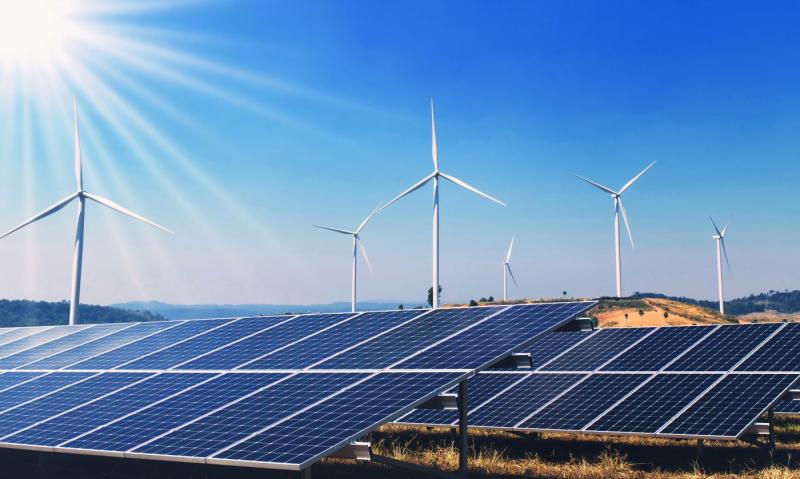
Maryland Local Government Climate Action Support Program
EFC is coordinating with the Maryland Department of Environment to help build the local capacity of Maryland communities to plan, fund, and implement climate projects and community-based climate-related outreach campaigns.
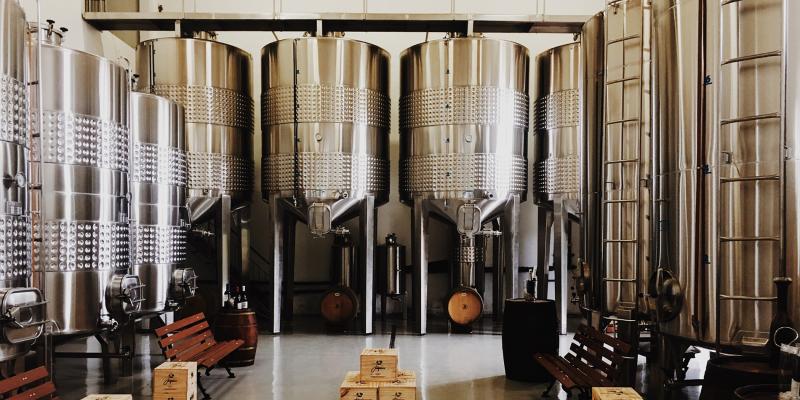
Mid-Atlantic Sustainable Breweries
The Mid-Atlantic Sustainable Breweries Program offers free sustainability consultations to help craft brewers assess operations and implement practices related to energy, water, wastewater, air emissions, and cleaning and sanitizing – all while saving costs and improving brand recognition.
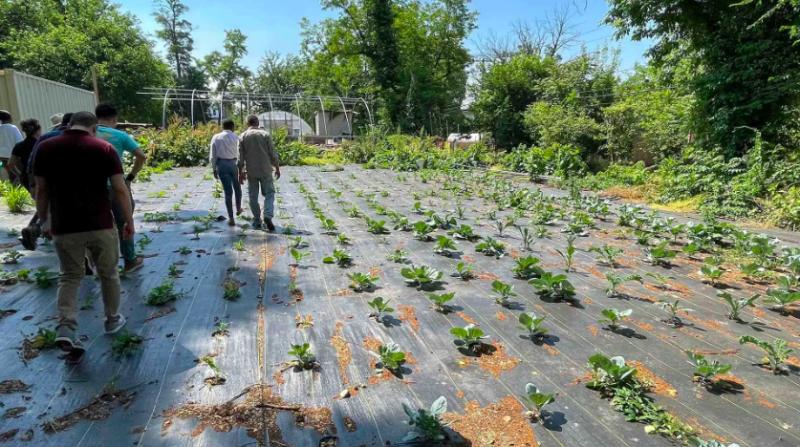
Rainwater Harvesting for Urban Farms
EFC is coordinating with UMD's School of Public Health, Extension, and USDA Agricultural Research Services to help urban farmers harvest and filter rainwater to nourish their crops and create more sustainable farms and resilient communities.
EFC Projects and Publications
See EFC’s work in action by browsing our current and archived (completed) projects below.
-
Funding options for improved water quality in the Delaware River Basin
The Delaware River Basin provides drinking water for more than 13 million people and is home to an abundance of fish and wildlife including some endangered, threatened, and at-risk species. People and wildlife depend upon the water resources of the Basin, and the Delaware River Basin Commission (DRBC), for their water security – for an adequate and sustainable supply of clean and healthy water that can be equitably accessed and is resilient in the face of climate change and extreme conditions.View Project Details for Funding options for improved water quality in the Delaware River Basin -
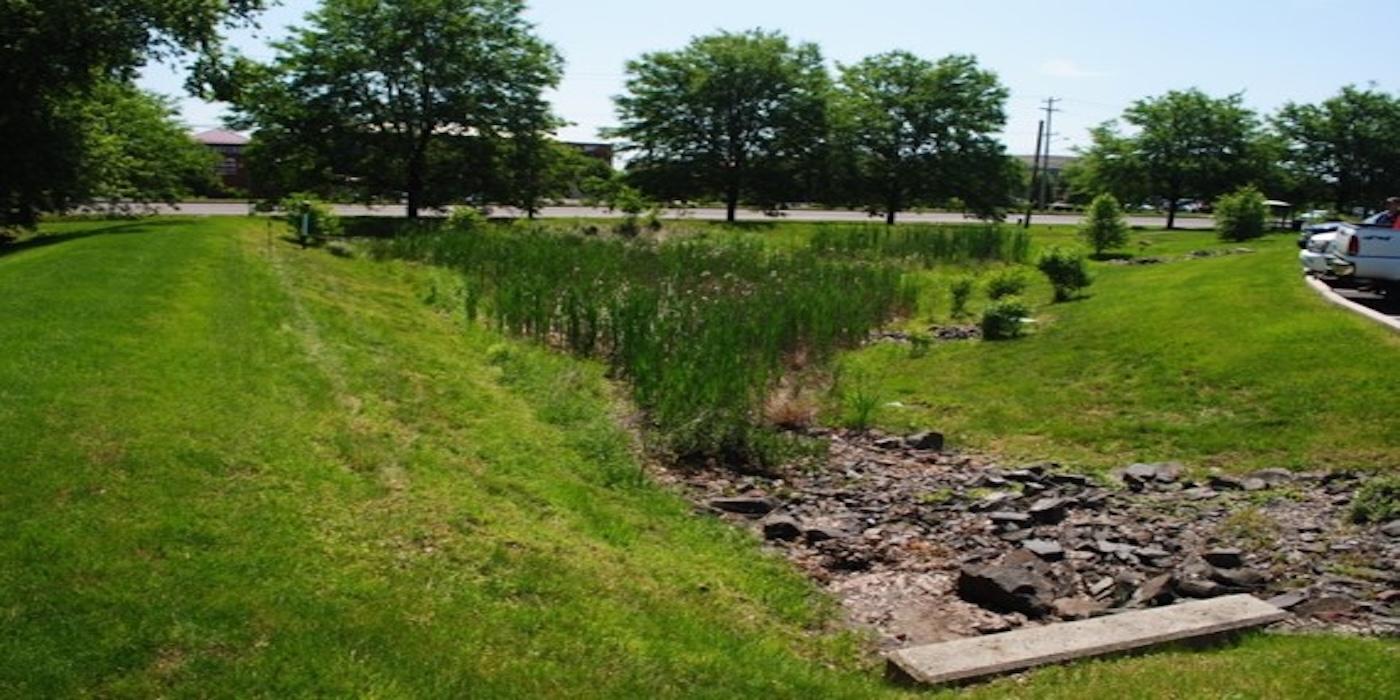
Green Infrastructure in Warrington Township, PA
In 2012, Warrington Township, Pennsylvania passed a voter-approved referendum committing $3 million to open space protection. The EFC worked with Warrington Township to identify ways in which the community could leverage its open space dollars to serve multiple community priorities and gain additional benefits the community had not identified.View Project Details for Green Infrastructure in Warrington Township, PA -
Green Infrastructure Map
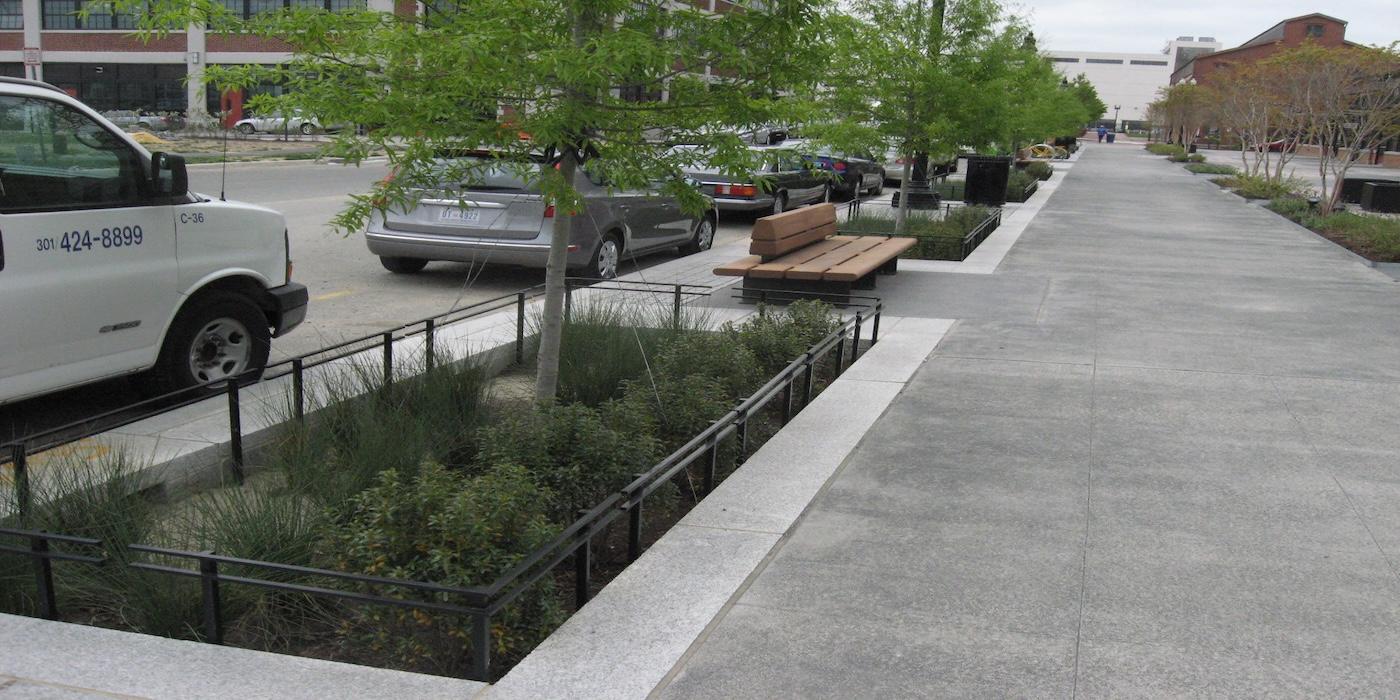
Welcome to the UMD Environmental Finance Center’s Green Infrastructure Financing Map!Here you will find incredible green infrastructure financing stories from diverse communities across the country showcased in an interesting and accessible way.View Project Details for Green Infrastructure Map -
Integrated Funding and Financing Strategies for Hazard Mitigation Planning
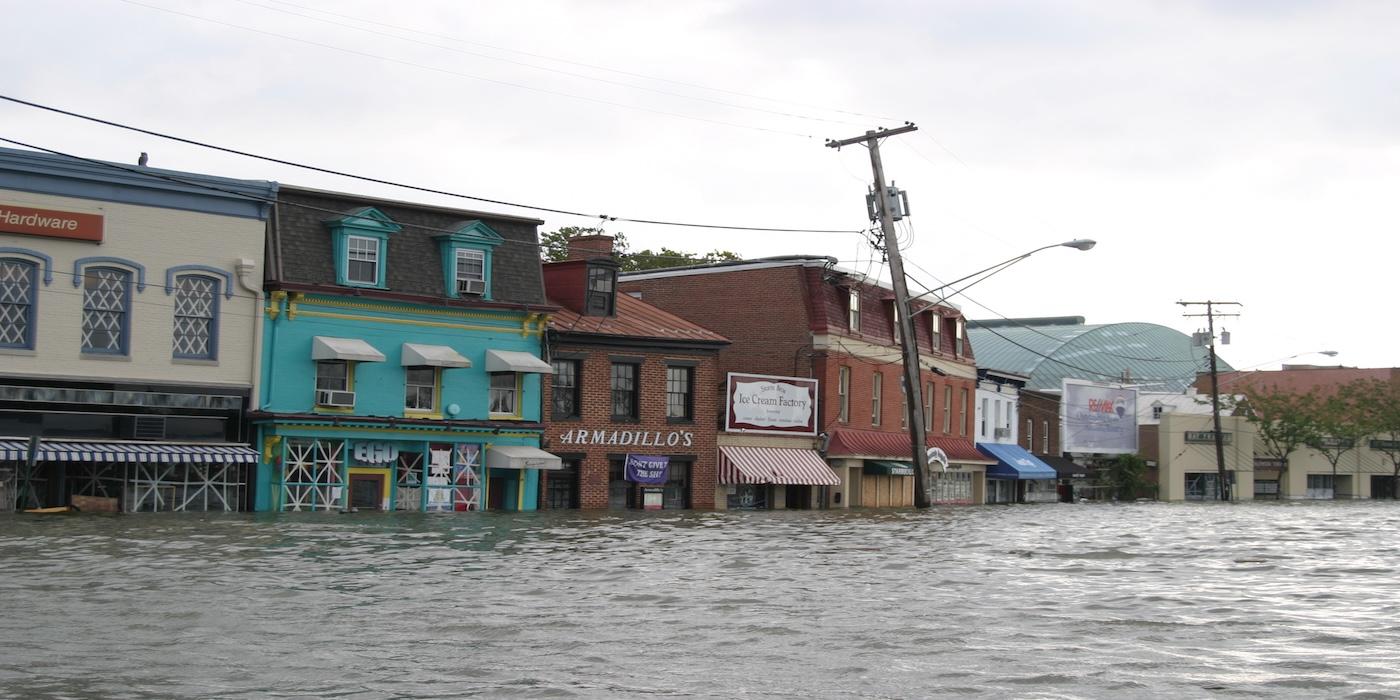
The EPA is developing training materials for environmental watershed planners and hazard mitigation specialists at the state and local level to demonstrate the link between water quality protection, watershed planning, source water protection, and hazard mitigation programs. The materials will help professionals engaged in this work better understand how the concepts are related and can enhance planning efforts and improve outcomes when performed together.View Project Details for Integrated Funding and Financing Strategies for Hazard Mitigation Planning -

Evaluating Community Readiness for Resilience Investment
The Environmental Finance Center worked with two Maryland communities—the cities of Annapolis and Salisbury— to evaluate their readiness to invest in climate resilience and to develop guidance to help communities lay the groundwork for effective resilience funding. The project included conducting a crosswalk of each community's key planning and policy documents, evaluating whether the communities have in place key enabling conditions for resilience investment, and developing self-assessment questions that municipalities may use to determine their readiness to invesView Project Details for Evaluating Community Readiness for Resilience Investment