

For more than three decades, the Environmental Finance Center has helped hundreds of local, state, and federal partners throughout the Mid-Atlantic region advance policies, programs, and financing strategies that achieve outcomes for people, places, and the environment. See EFC’s featured work below.
EFC's Featured Work

Region 3 WaterTA Program
The Region 3 WaterTA program offers direct support to municipalities, tribes, and water utilities in US EPA Region 3 to help them access federal and state funding to address water infrastructure needs.
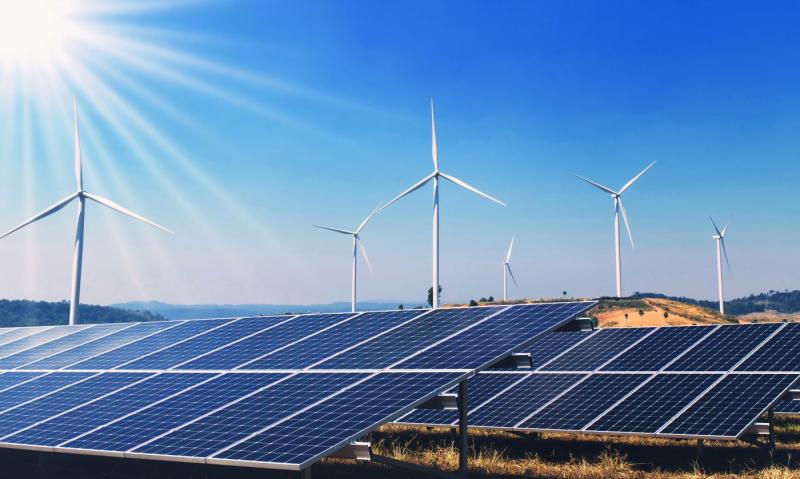
Maryland Local Government Climate Action Support Program
EFC is coordinating with the Maryland Department of Environment to help build the local capacity of Maryland communities to plan, fund, and implement climate projects and community-based climate-related outreach campaigns.
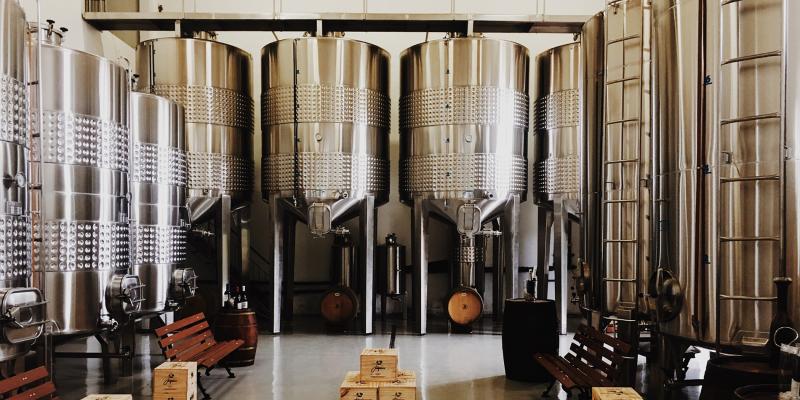
Mid-Atlantic Sustainable Breweries
The Mid-Atlantic Sustainable Breweries Program offers free sustainability consultations to help craft brewers assess operations and implement practices related to energy, water, wastewater, air emissions, and cleaning and sanitizing – all while saving costs and improving brand recognition.
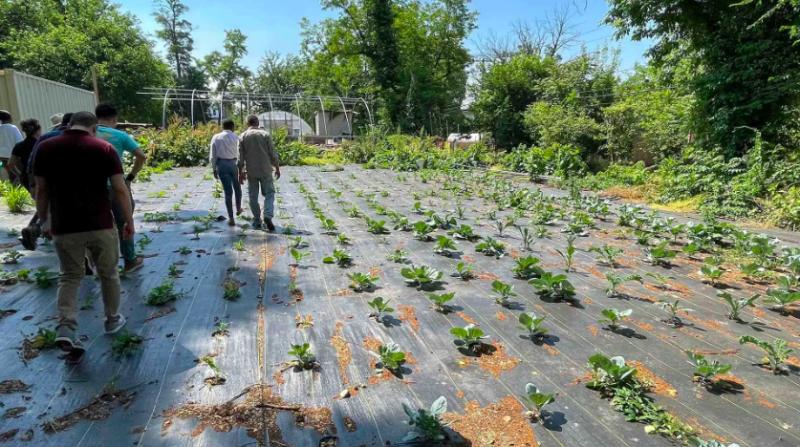
Rainwater Harvesting for Urban Farms
EFC is coordinating with UMD's School of Public Health, Extension, and USDA Agricultural Research Services to help urban farmers harvest and filter rainwater to nourish their crops and create more sustainable farms and resilient communities.
EFC Projects and Publications
See EFC’s work in action by browsing our current and archived (completed) projects below.
-
 2020 - 2022
Resilience Financing for Maryland Local Governments
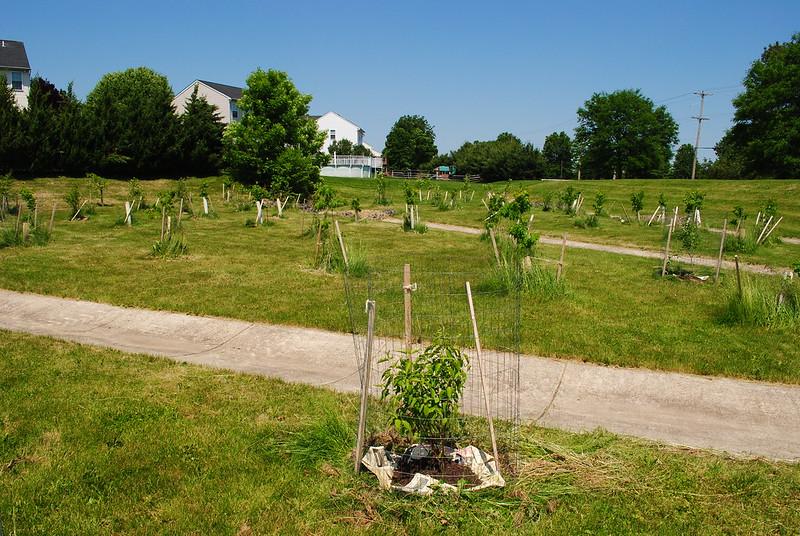
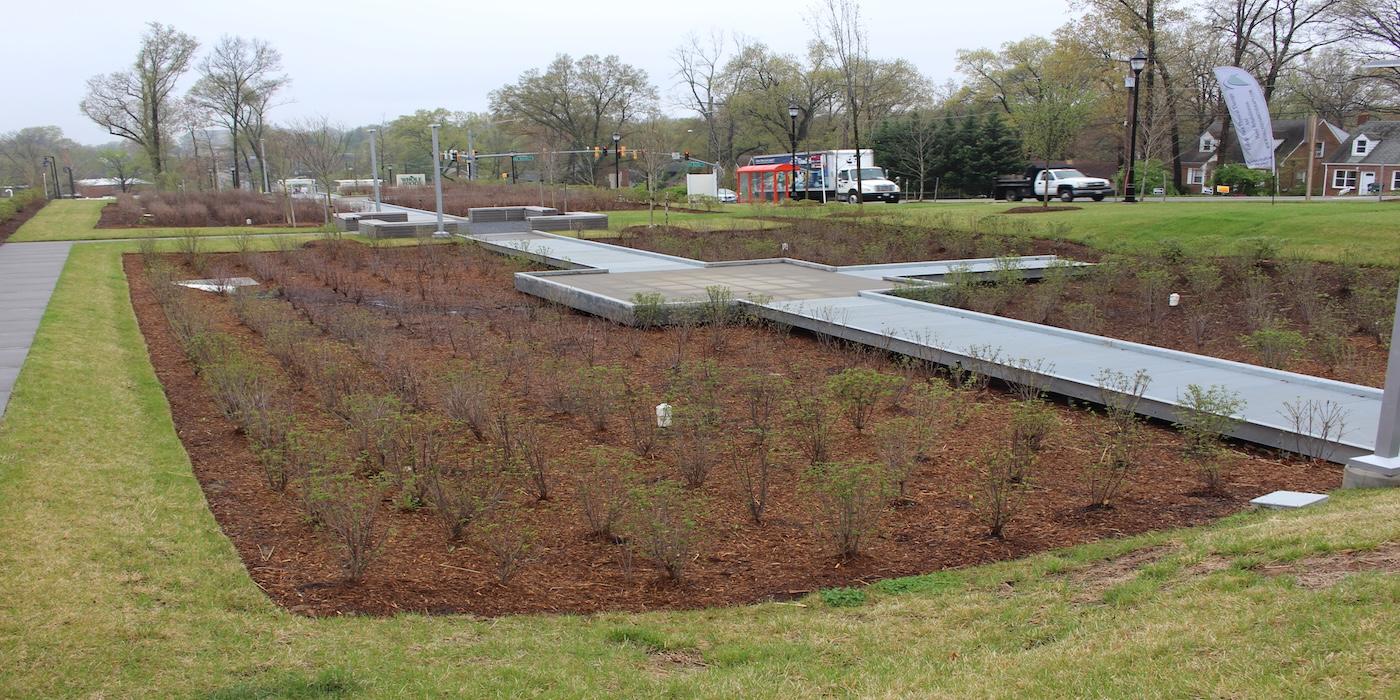
EFC partnered with the Maryland Forestry Foundation to develop an action framework and community engagement series to support Resilience Financing for Maryland Local Governments. This capacity building and education effort was designed to help local governments build resilience into their communities, particularly in the form of natural capital. Natural capital is the extension of the economic notion of capital (manufactured means of production) to goods and services relating to the natural environment.View Project Details for Resilience Financing for Maryland Local Governments -
 2020 - 2022
Integrated Water Planning Assistance
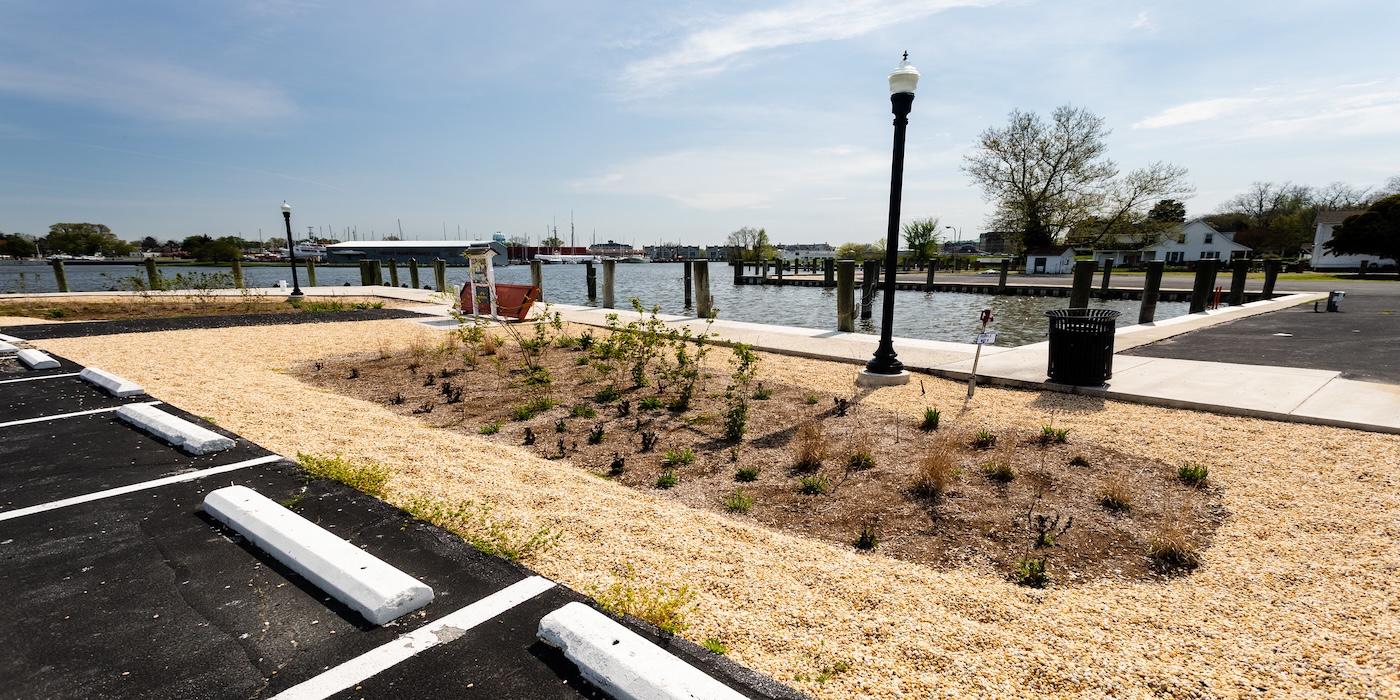
The University of Maryland Environmental Finance Center (UMD EFC) partnered with the University of North Carolina at Chapel Hill (UNC EFC) to deliver integrated water planning assistance to communities. Assistance was delivered through webinars, office hours, and case study development with support from the Environmental Protection Agency (EPA) Office of Water.View Project Details for Integrated Water Planning Assistance -
 2020 (July)
Cambridge Residential Stewardship Initiative II
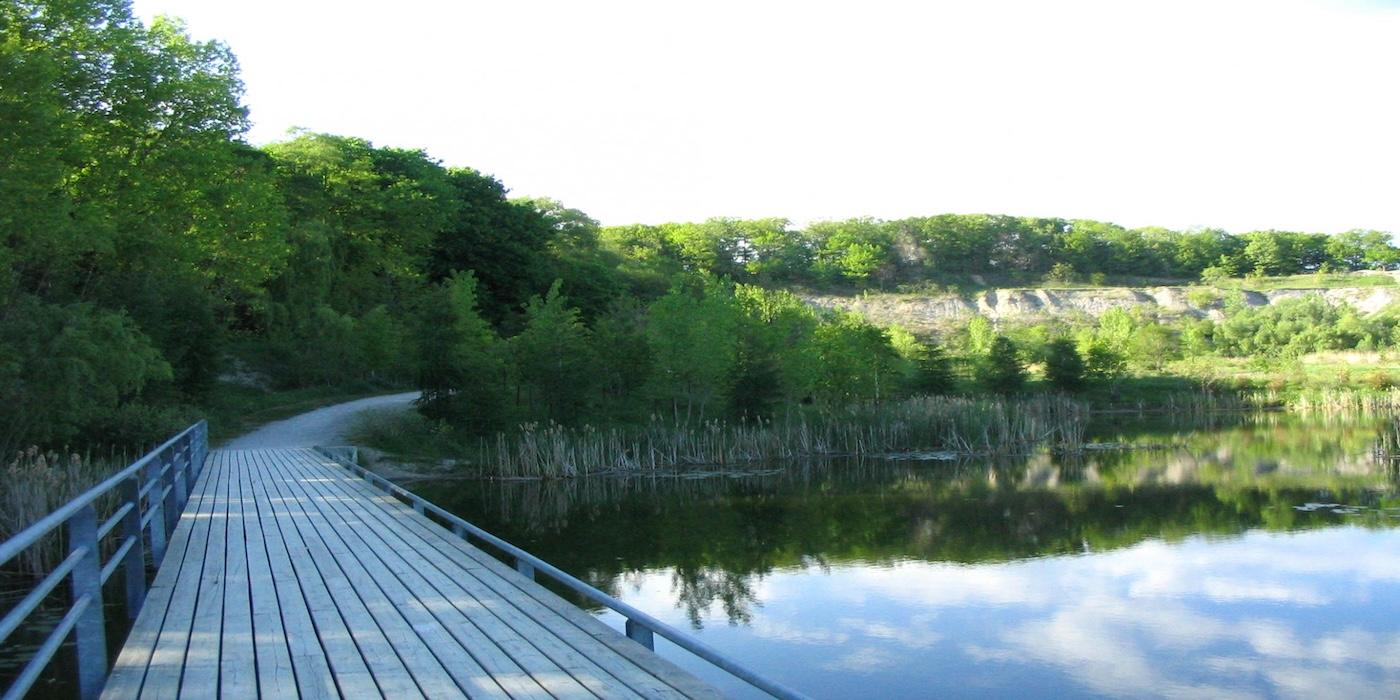
Photo by Will Parson/Chesapeake Bay ProgramThe Nanticoke Watershed Alliance received funding from the National Fish and Wildlife Foundation to complete a second phase of work in Cambridge, Maryland. The first project, funded by NFWF in 2016, determined the willingness of residential property owners to learn about and install stormwater best management practices (BMPs) on their properties. Phase I was a success with ten residential BMP installations now in place as a result of the effort.View Project Details for Cambridge Residential Stewardship Initiative II -
 2020
2020Delaware River Basin Watershed Needs Assessment
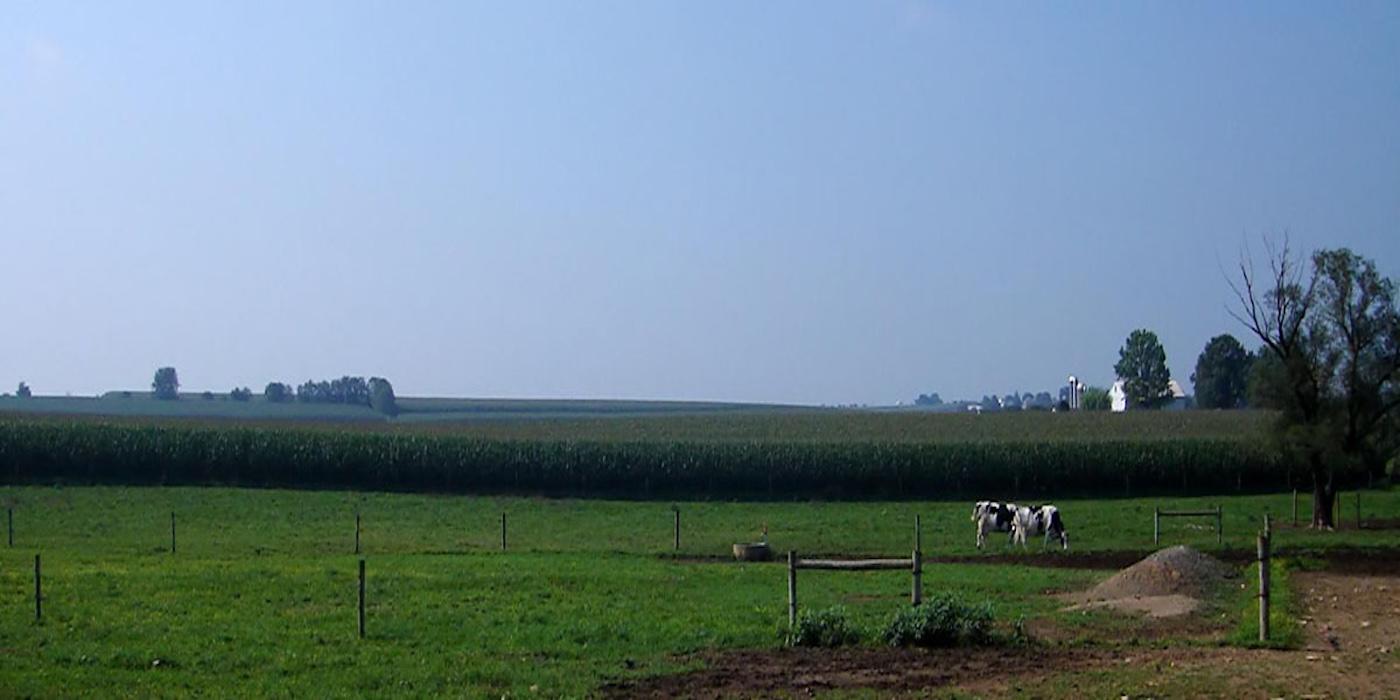
Through the Delaware River Watershed Initiative, the William Penn Foundation has invested millions of dollars to reduce nitrogen, phosphorus, and sediment in non-point source pollution impacting Delaware River tributaries, focusing on land protection and agricultural restoration activities. View Project Details for Delaware River Basin Watershed Needs Assessment -
 2020
2020Delaware Watershed RCPP Research and Proposal Coordination
EFC worked with partners in the Delaware River Basin to develop a proposal for an upcoming Regional Conservation Partnership Program (RCPP) funding opportunity. This process included reviewing the original Delaware Basin RCPP project, providing comments to the Natural Resources Conservation Service (NRCS) on new RCPP rules, identifying and engaging stakeholders, assessing stakeholder capacity and project feasibility, and developing an implementation plan.View Project Details for Delaware Watershed RCPP Research and Proposal Coordination -
 2019 - 2022
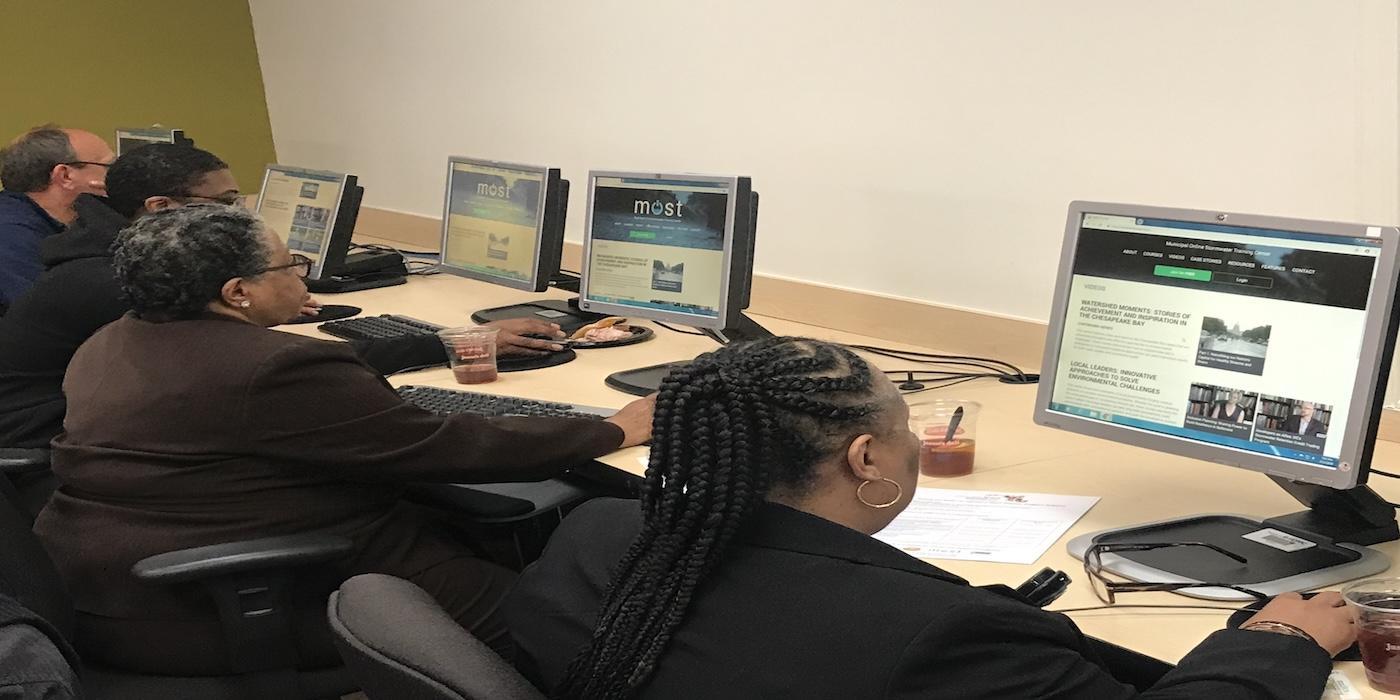
Getting the MOST for Maryland Black Mayors
EFC, in partnership with Maryland Black Mayors, Inc. (MBM) created a training program to educate and better connect MBM elected officials and staff with stormwater management solutions. The training program includes in-person workshops, MOST Center online courses, facilitated peer-to-peer discussion forums, and matchmaking with local watershed groups and technical service providers.View Project Details for Getting the MOST for Maryland Black Mayors