

For more than three decades, the Environmental Finance Center has helped hundreds of local, state, and federal partners throughout the Mid-Atlantic region advance policies, programs, and financing strategies that achieve outcomes for people, places, and the environment. See EFC’s featured work below.
EFC's Featured Work

Region 3 WaterTA Program
The Region 3 WaterTA program offers direct support to municipalities, tribes, and water utilities in US EPA Region 3 to help them access federal and state funding to address water infrastructure needs.
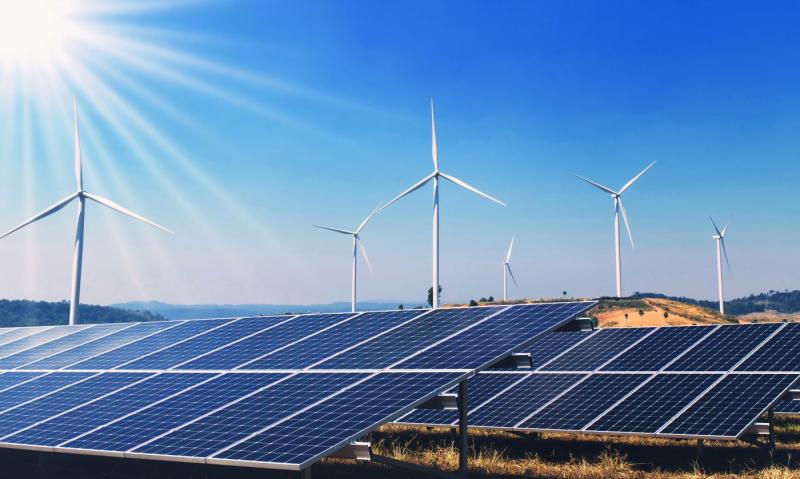
Maryland Local Government Climate Action Support Program
EFC is coordinating with the Maryland Department of Environment to help build the local capacity of Maryland communities to plan, fund, and implement climate projects and community-based climate-related outreach campaigns.
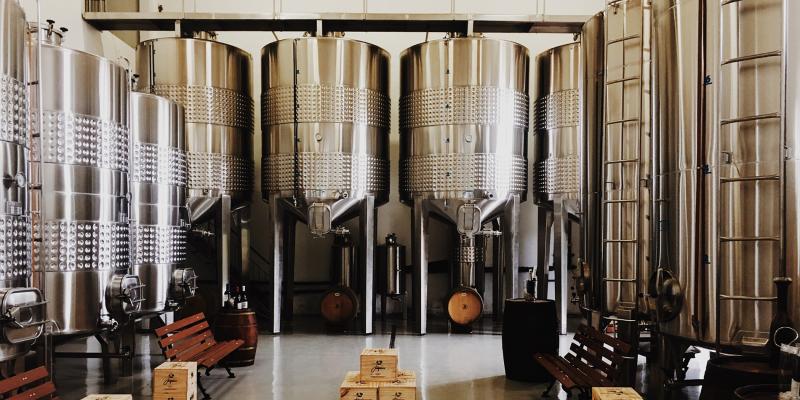
Mid-Atlantic Sustainable Breweries
The Mid-Atlantic Sustainable Breweries Program offers free sustainability consultations to help craft brewers assess operations and implement practices related to energy, water, wastewater, air emissions, and cleaning and sanitizing – all while saving costs and improving brand recognition.
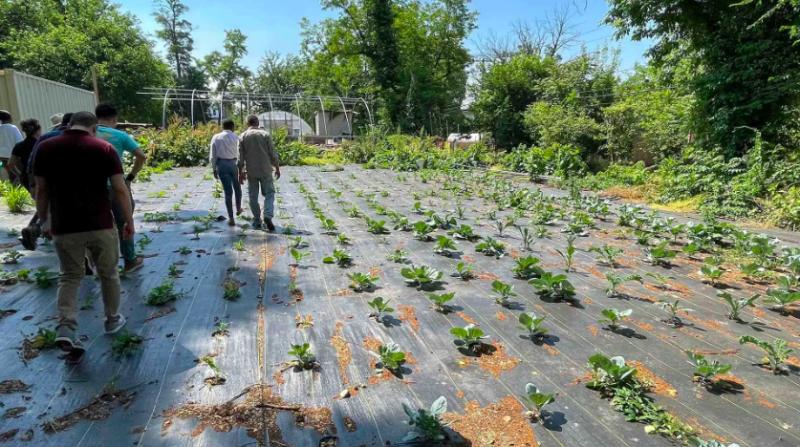
Rainwater Harvesting for Urban Farms
EFC is coordinating with UMD's School of Public Health, Extension, and USDA Agricultural Research Services to help urban farmers harvest and filter rainwater to nourish their crops and create more sustainable farms and resilient communities.
EFC Projects and Publications
See EFC’s work in action by browsing our current and archived (completed) projects below.
-
 2016-2020
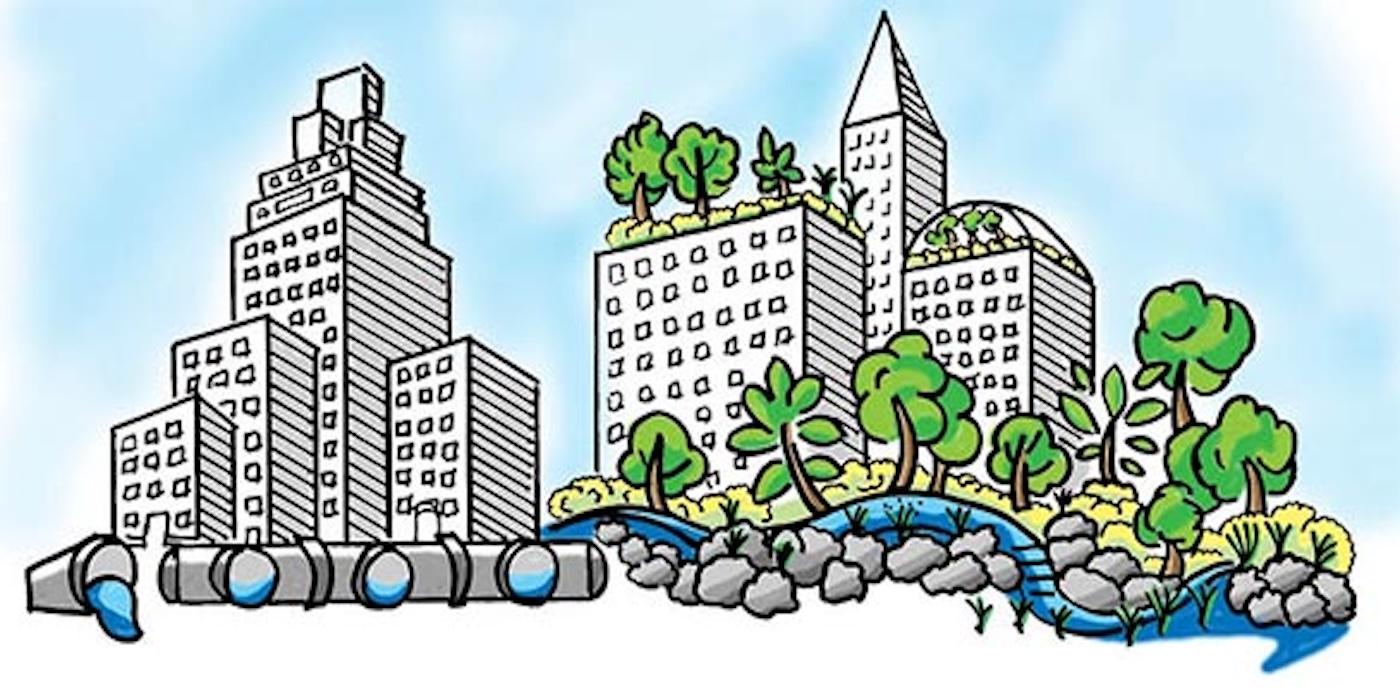
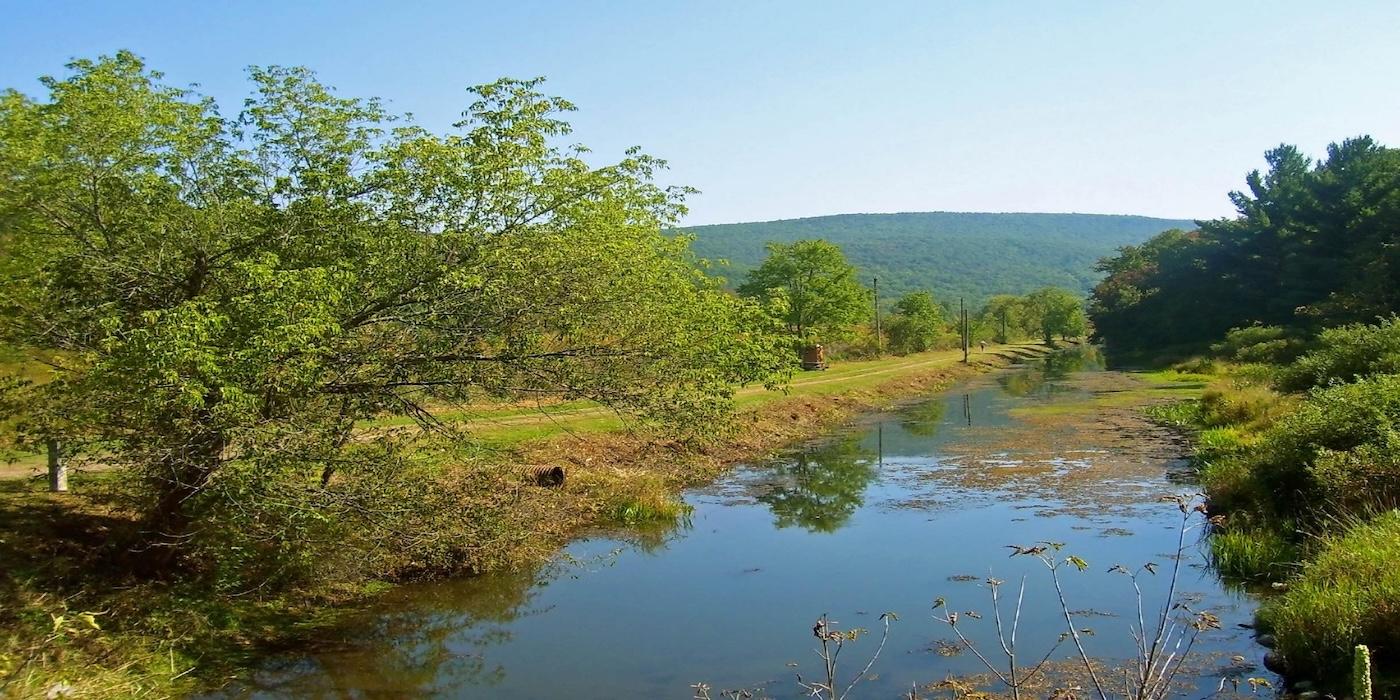
Community Lifecycle-cost Analysis of Stormwater Infrastructure (CLASIC)
Community-enabled Lifecycle Analysis of Stormwater Infrastructure Costs (CLASIC) is a collaborative effort between seven institutions looking at green and gray infrastructure alternatives for stormwater. The four-year project (2016-2020) was funded at $2M by USEPA under National Priorities: Life Cycle Costs of Water Infrastructure Alternatives grant.View Project Details for Community Lifecycle-cost Analysis of Stormwater Infrastructure (CLASIC) -
 2016 (November)
A Different Approach to Investing in the Restoration and Protection of the Delaware River Watershed
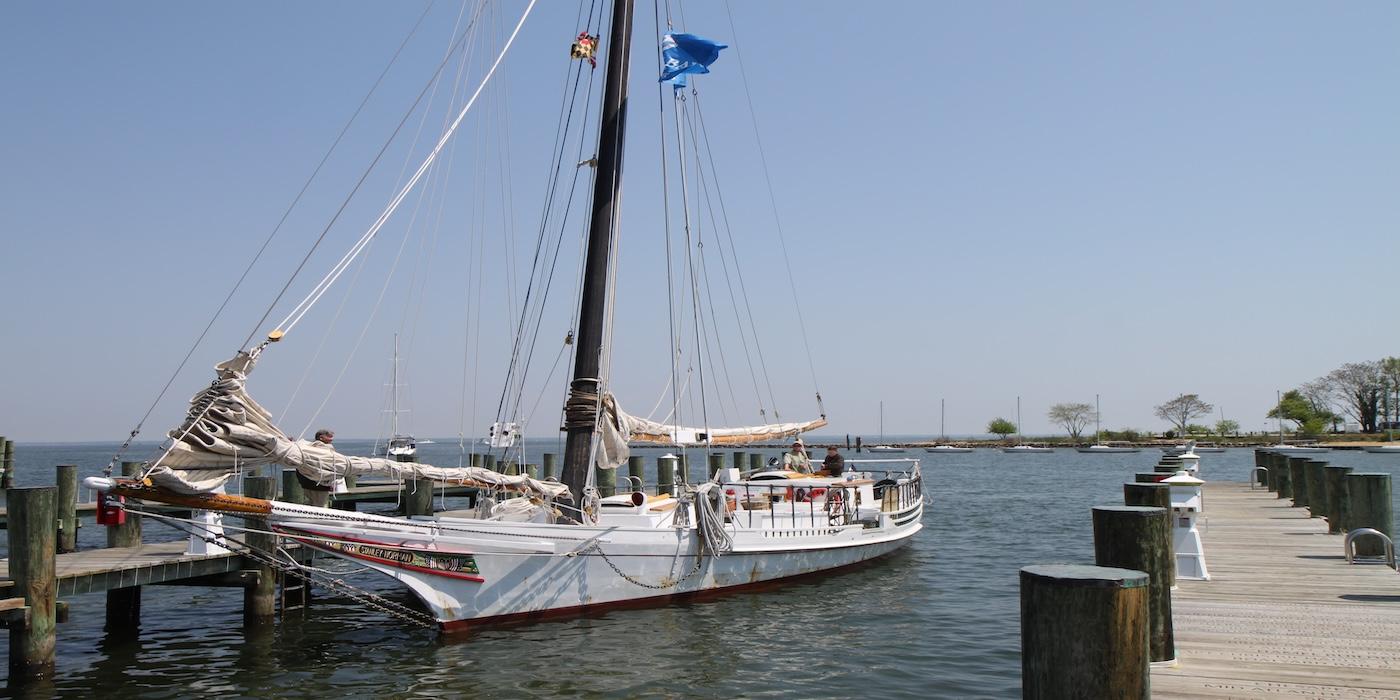
Institutions like the William Penn Foundation play a critical role in natural resource restoration and protection efforts through their support of new and successful programs, projects, and conservation initiatives. However, ensuring the Delaware River watershed is a safe and reliable water resource in the long-term requires the philanthropic investments to be catalytic in nature, spurring further investments from the public and private sectors. With funding from the William Penn Foundation, the EFC led an 18-month project called the Innovative Financing Panel.View Project Details for A Different Approach to Investing in the Restoration and Protection of the Delaware River Watershed -
 2016 (July)
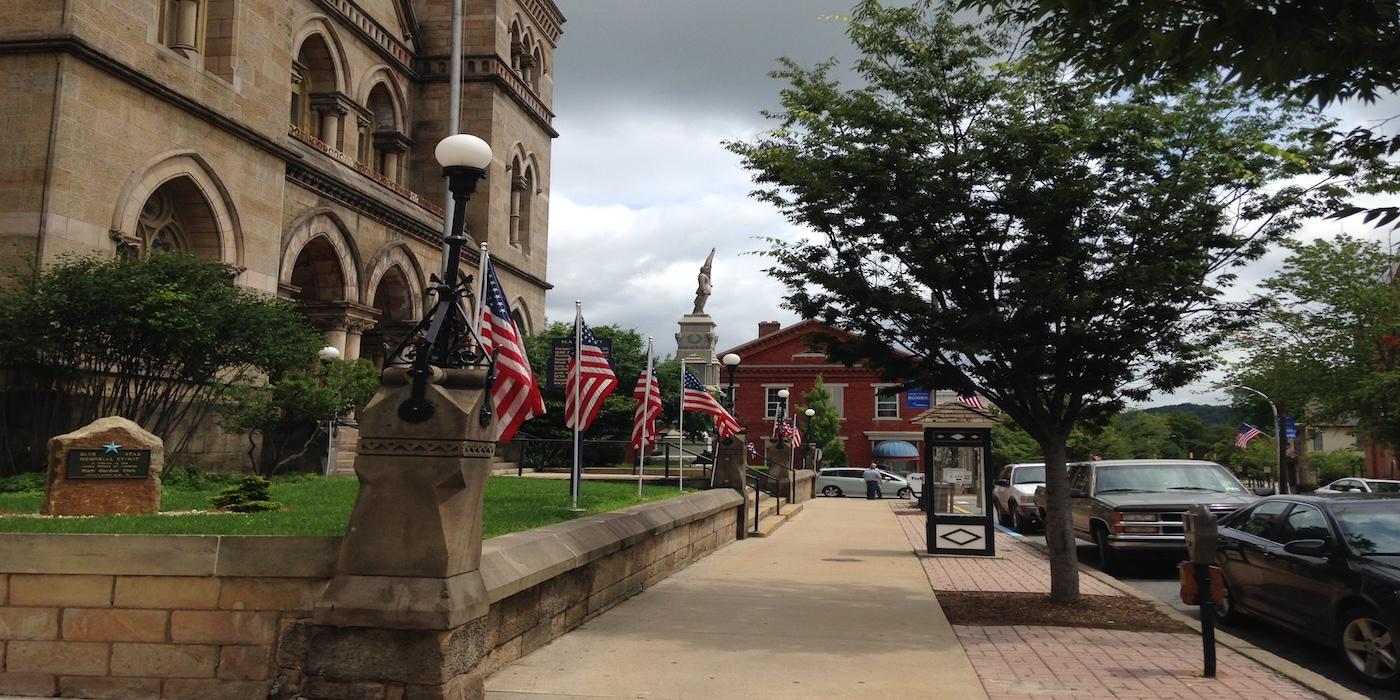
Financing a Resilient Annapolis and Prince George's County
Annapolis, MDView Project Details for Financing a Resilient Annapolis and Prince George's County -
 2016 (February)
Building Green Infrastructure in Blair County, PA
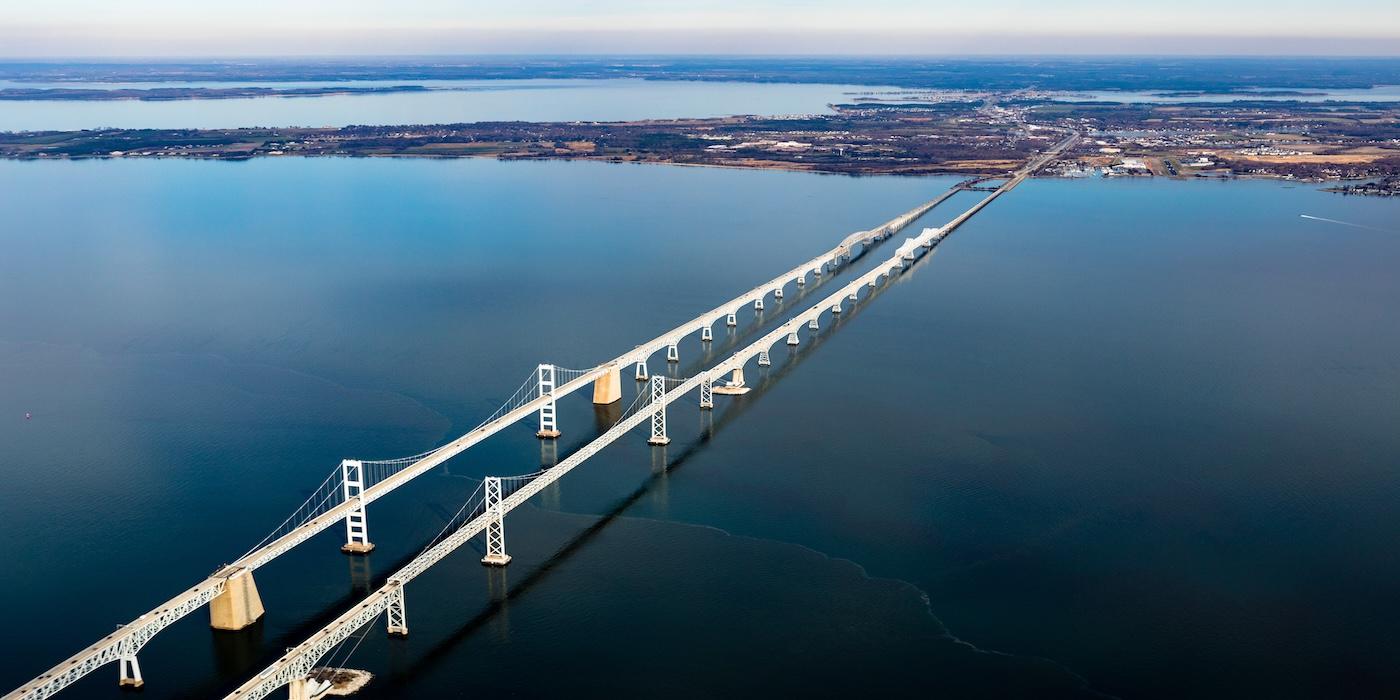
EFC worked with a team led by the Alliance for the Chesapeake Bay and American Rivers to accelerate the implementation of green infrastructure in Pennsylvania’s Juniata watershed. As a part of this effort, the EFC worked with more than a dozen MS4 communities in Blair County to develop a stormwater financing strategy that looks to improve efficiencies and reduce costs through a regional approach.PartnersAlliance for the Chesapeake Bay, American Rivers, Blair County Conservation District, and Blair County MS4 WorkgroupSponsorsView Project Details for Building Green Infrastructure in Blair County, PA -
 2015 - 2019
State Financing Strategies for Chesapeake Bay Restoration
States in the Chesapeake Bay watershed are implementing strategies to restore the health of the Bay and the region’s creeks, streams, and rivers. These activities are being implemented in accordance with the US EPA’s Chesapeake Bay Total Maximum Daily Load, which identifies necessary pollution reductions from major sources of nitrogen, phosphorus, and sediment to meet water quality standards in the bay. Through the “Financing Strategies” project, EFC supported bay states in their pollution abatemView Project Details for State Financing Strategies for Chesapeake Bay Restoration -
 2015 (September)
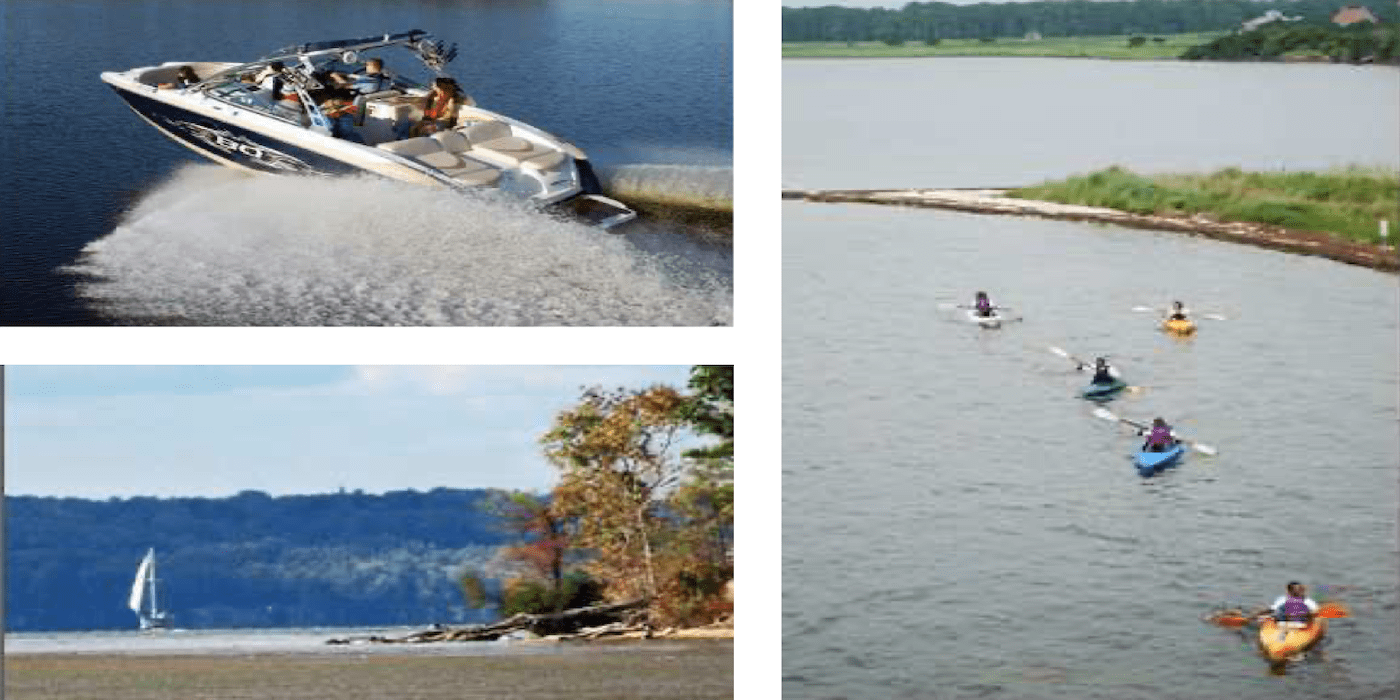
Enhancing Boating in Maryland: Task Force
Recreational boating represents $2.2 billion in economic impact and over 20,000 jobs to the State of Maryland. As the word “recreational” suggests, boating is a discretionary expense and as such, boating is inextricably linked to the state of the economy both nationally and here in Maryland. During the economic downturn from 2009 through 2013, there were two disturbing trends in boating in the State: a reduction of 14,000 boats registered in Maryland and a 50% reduction in revenue to the Waterway Improvement Fund (WIF).View Project Details for Enhancing Boating in Maryland: Task Force