

For more than three decades, the Environmental Finance Center has helped hundreds of local, state, and federal partners throughout the Mid-Atlantic region advance policies, programs, and financing strategies that achieve outcomes for people, places, and the environment. See EFC’s featured work below.
EFC's Featured Work

Region 3 WaterTA Program
The Region 3 WaterTA program offers direct support to municipalities, tribes, and water utilities in US EPA Region 3 to help them access federal and state funding to address water infrastructure needs.
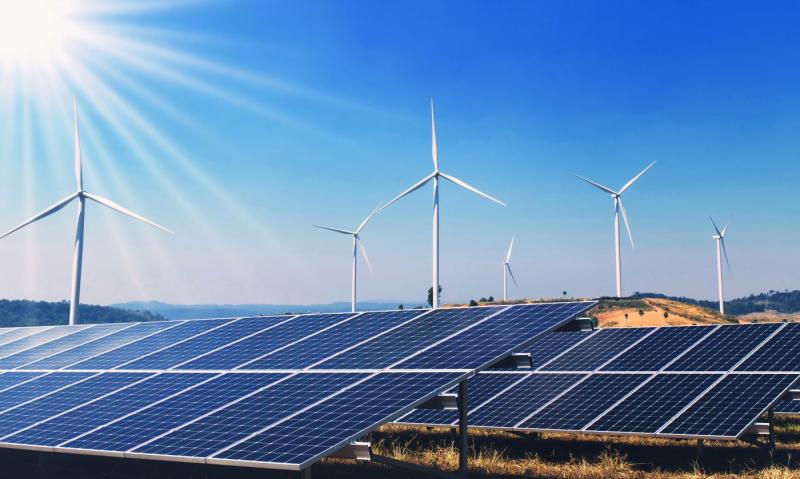
Maryland Local Government Climate Action Support Program
EFC is coordinating with the Maryland Department of Environment to help build the local capacity of Maryland communities to plan, fund, and implement climate projects and community-based climate-related outreach campaigns.
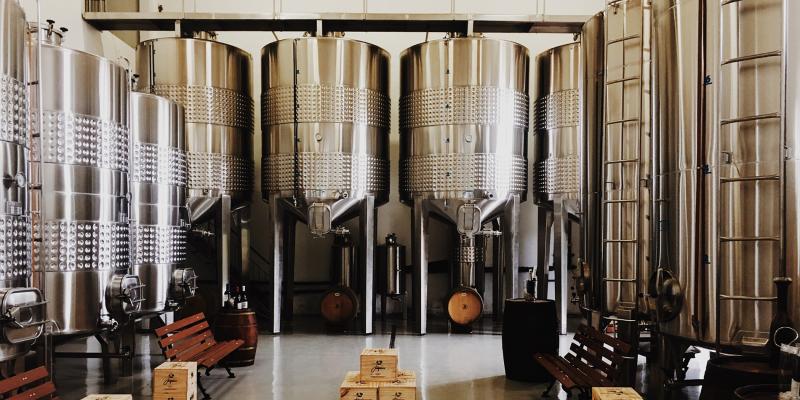
Mid-Atlantic Sustainable Breweries
The Mid-Atlantic Sustainable Breweries Program offers free sustainability consultations to help craft brewers assess operations and implement practices related to energy, water, wastewater, air emissions, and cleaning and sanitizing – all while saving costs and improving brand recognition.
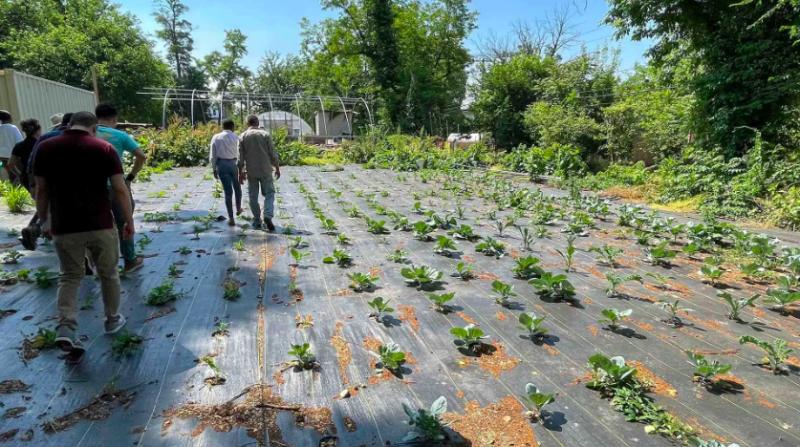
Rainwater Harvesting for Urban Farms
EFC is coordinating with UMD's School of Public Health, Extension, and USDA Agricultural Research Services to help urban farmers harvest and filter rainwater to nourish their crops and create more sustainable farms and resilient communities.
EFC Projects and Publications
See EFC’s work in action by browsing our current and archived (completed) projects below.
-
 2023 - Present
Building Climate Resilience in Prince George's County
While the scale of action required to address climate change is daunting, it is also an opportunity to build strong local community capacity. The Climate Stewards Academy (CSA) was first piloted by EFC in 2023 through funding from the Chesapeake Bay Trust’s Prince George’s County Stormwater Stewardship Grant Program. This residential training program was developed to identify, educate, and empower community members as climate champions capable of leading adaptation and resilience efforts within their communities.View Project Details for Building Climate Resilience in Prince George's County -
MDE Smart Salting: Enhanced Winter Maintenance Training (Fall 2026)
The Maryland Department of the Environment (MDE) Smart Salting: Enhanced Winter Maintenance Training helps reduce winter salt pollution beyond state and county roads, covering parking lots, driveways, and sidewalks. This hybrid course is designed for property managers, business owners, landscaping companies, and other private contractors and salt applicators who maintain parking lots, driveways, and sidewalks in the winter.View Project Details for MDE Smart Salting: Enhanced Winter Maintenance Training (Fall 2026) -
 2026-2029
Clean Water Cumberland
Rapid Stream Delisting is a data-driven approach that uses collaborative partnerships and GIS mapping to target watershed restoration activities and investments in manageable, high-potential areas. Proven effective in several Pennsylvania counties, the approach accelerates water quality improvements by concentrating resources where they can achieve the greatest impact.View Project Details for Clean Water Cumberland -
 2026-2028
Assessment and Planning for Remediation of Bermed Infiltration Ponds in Dorchester County, Maryland
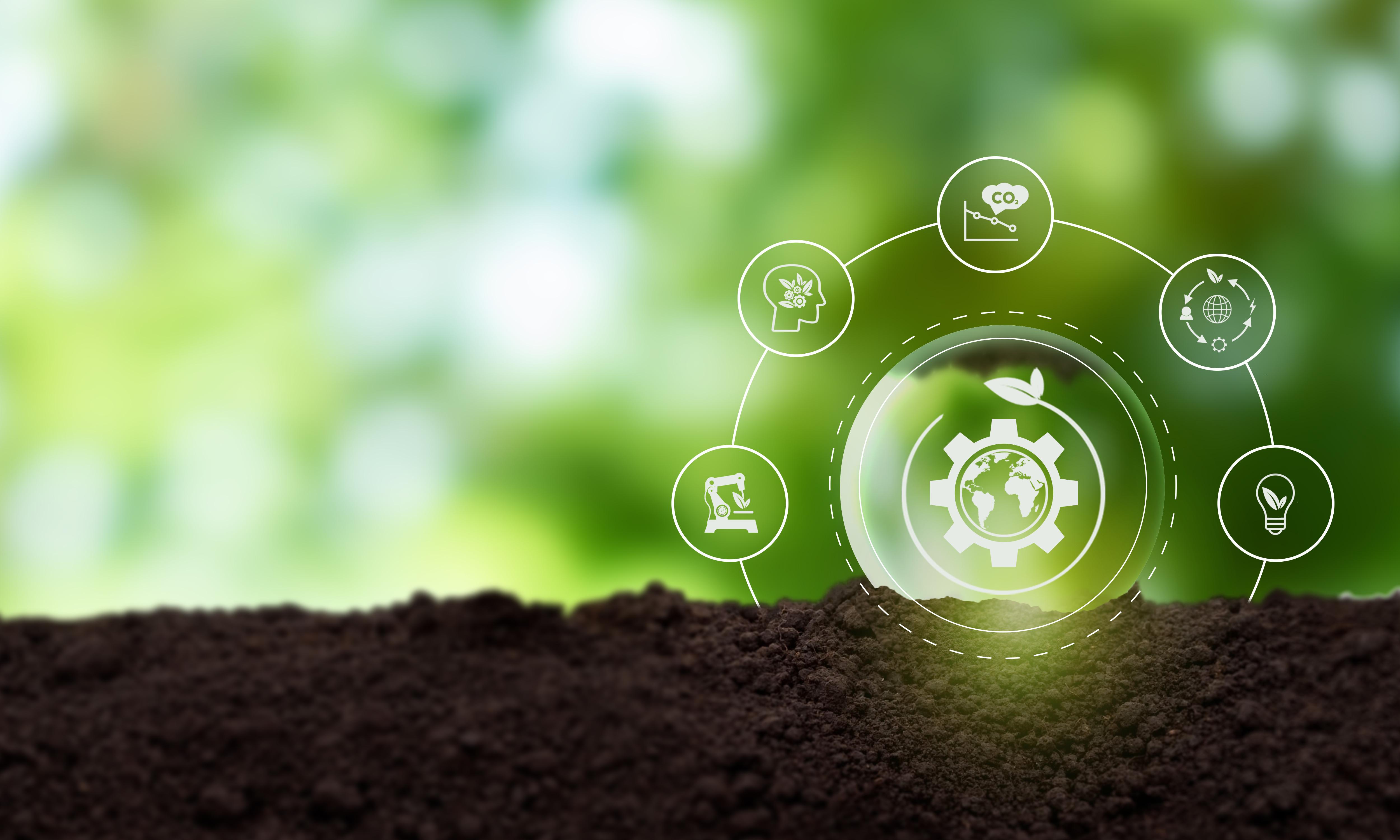
Project Summary:Bermed Infiltration Ponds (BIPs) are onsite sewage treatment systems used primarily in Dorchester County where conventional septic systems are not feasible. Many are aging and at risk of failure, threatening public health, water quality, and wildlife habitat.View Project Details for Assessment and Planning for Remediation of Bermed Infiltration Ponds in Dorchester County, Maryland -
 2026-2027
Advancing Equitable Flood Resilience in Southwest Arkansas
The rural southwest Arkansas communities of Fulton and McNab (Hempstead County) and Stamps and Lewisville (Lafayette County) face recurrent flooding, aging drainage infrastructure, and limited resources for climate adaptation planning. This project advances a community-driven watershed resilience initiative aligned with Steps 2–4 of the Steps to Resilience Framework, equipping these historically disinvested towns with the evidence, partnerships, intervention options, and financing strategies needed to implement impactful flood solutions.View Project Details for Advancing Equitable Flood Resilience in Southwest Arkansas -
 2026-2027
Community Climate Resilience Leadership Initiative
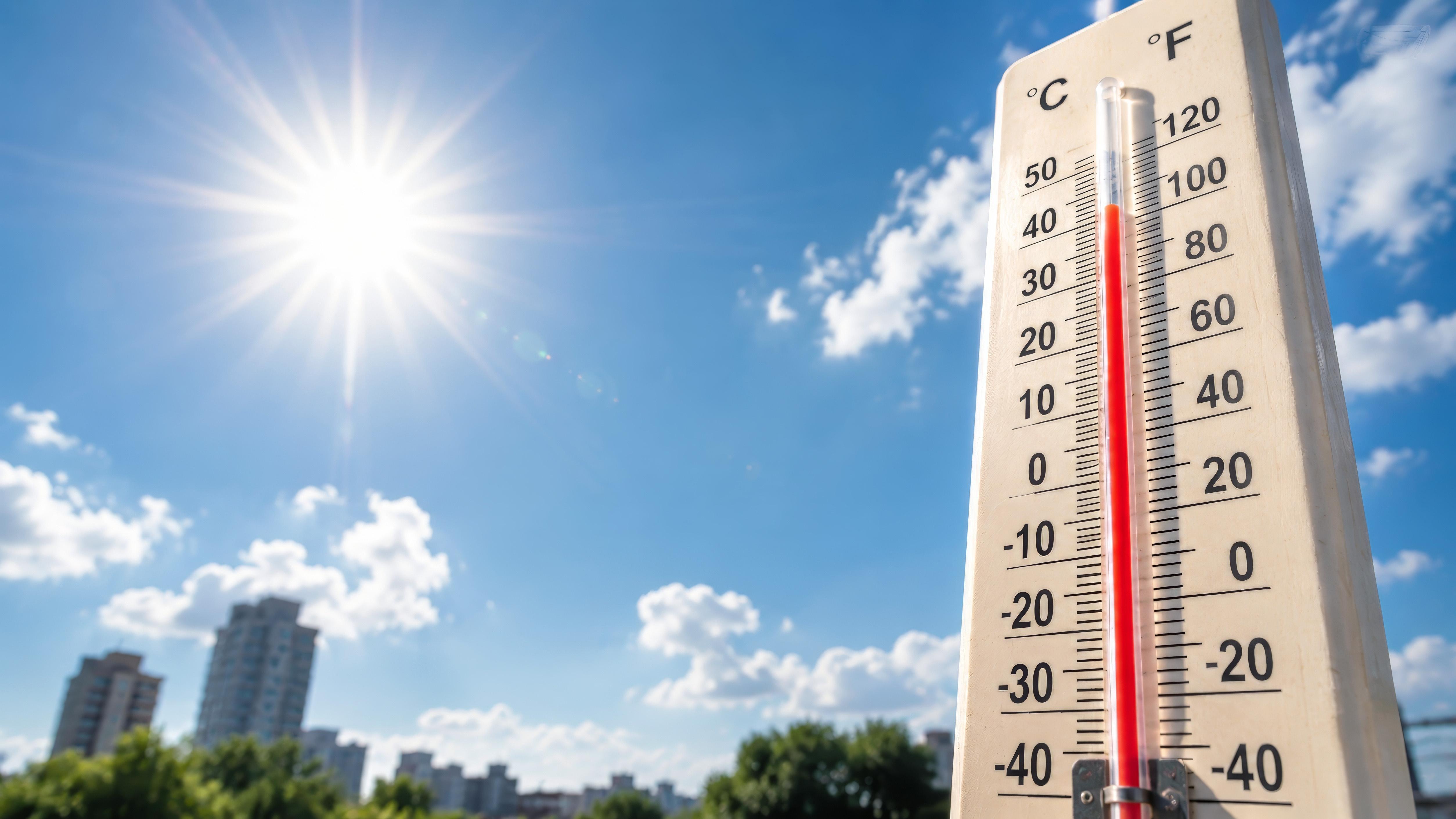
Communities across Maryland face growing risks from extreme heat, severe storms, flooding, and power disruptions. Although local governments and community organizations are eager to prepare, many lack the tools, training, and coordination needed to act.The Community Climate Resilience Leadership Initiative will build local leadership, strengthen emergency preparedness, and support community-led resilience solutions while developing a model that can be adapted across Pepco’s service territory and beyond.View Project Details for Community Climate Resilience Leadership Initiative