

For more than three decades, the Environmental Finance Center has helped hundreds of local, state, and federal partners throughout the Mid-Atlantic region advance policies, programs, and financing strategies that achieve outcomes for people, places, and the environment. See EFC’s featured work below.
EFC's Featured Work

Region 3 WaterTA Program
The Region 3 WaterTA program offers direct support to municipalities, tribes, and water utilities in US EPA Region 3 to help them access federal and state funding to address water infrastructure needs.
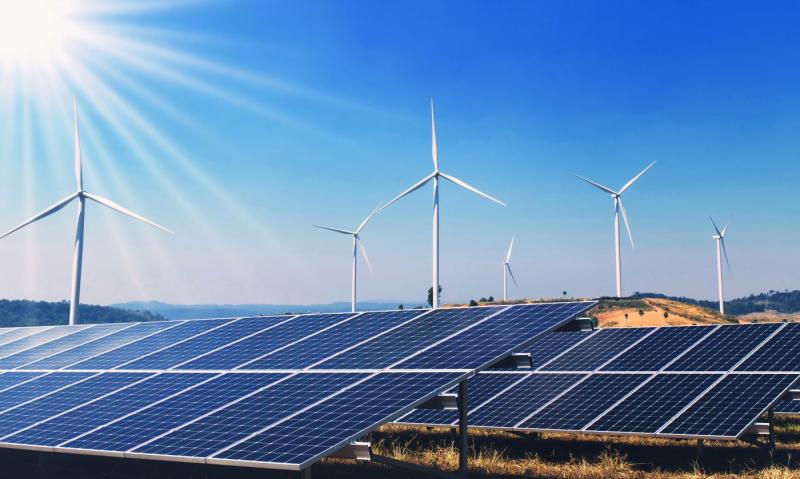
Maryland Local Government Climate Action Support Program
EFC is coordinating with the Maryland Department of Environment to help build the local capacity of Maryland communities to plan, fund, and implement climate projects and community-based climate-related outreach campaigns.
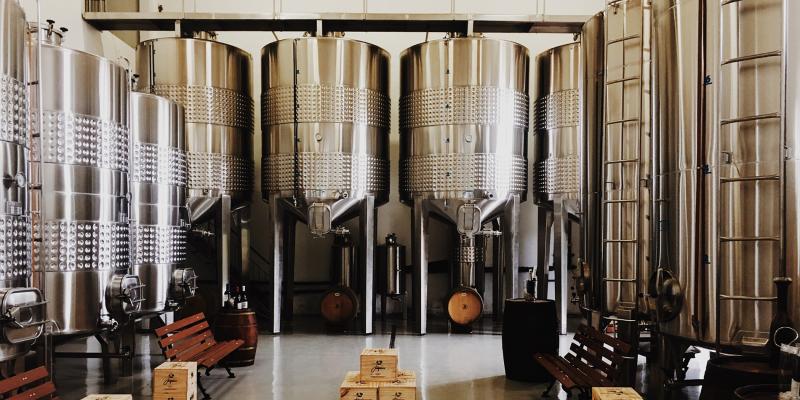
Mid-Atlantic Sustainable Breweries
The Mid-Atlantic Sustainable Breweries Program offers free sustainability consultations to help craft brewers assess operations and implement practices related to energy, water, wastewater, air emissions, and cleaning and sanitizing – all while saving costs and improving brand recognition.
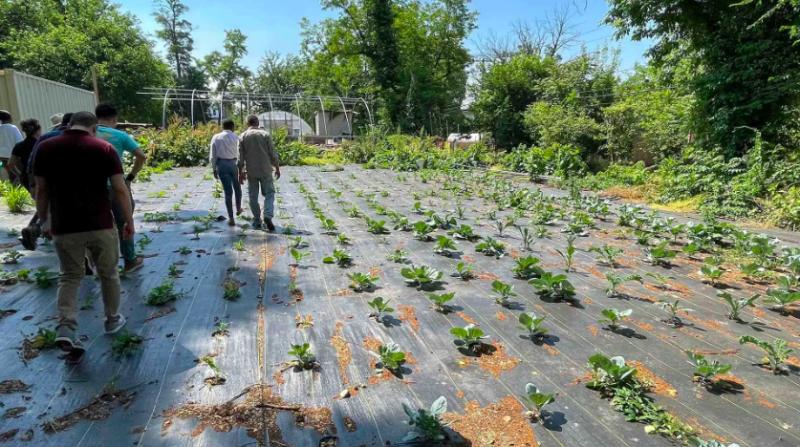
Rainwater Harvesting for Urban Farms
EFC is coordinating with UMD's School of Public Health, Extension, and USDA Agricultural Research Services to help urban farmers harvest and filter rainwater to nourish their crops and create more sustainable farms and resilient communities.
EFC Projects and Publications
See EFC’s work in action by browsing our current and archived (completed) projects below.
-
 2014
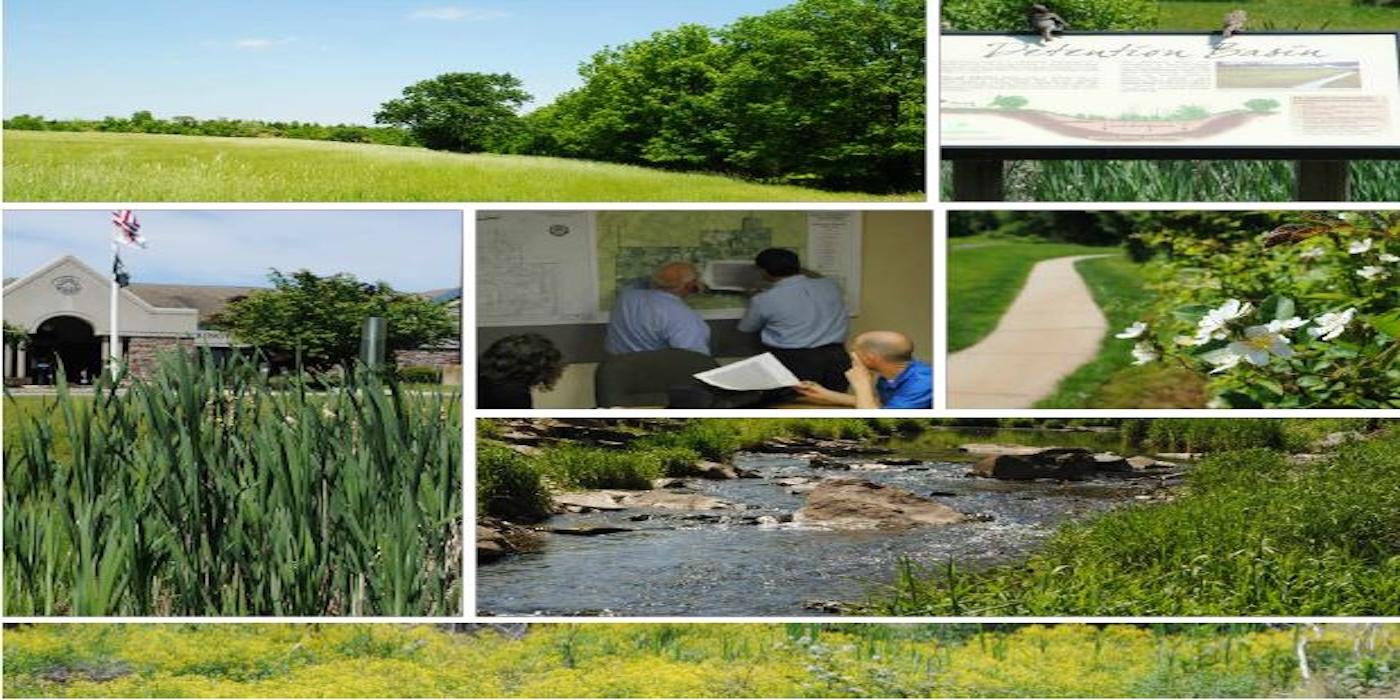
2014A Green Infrastructure Approach to Leveraging Local Priorities in Warrington Township, Pennsylvania
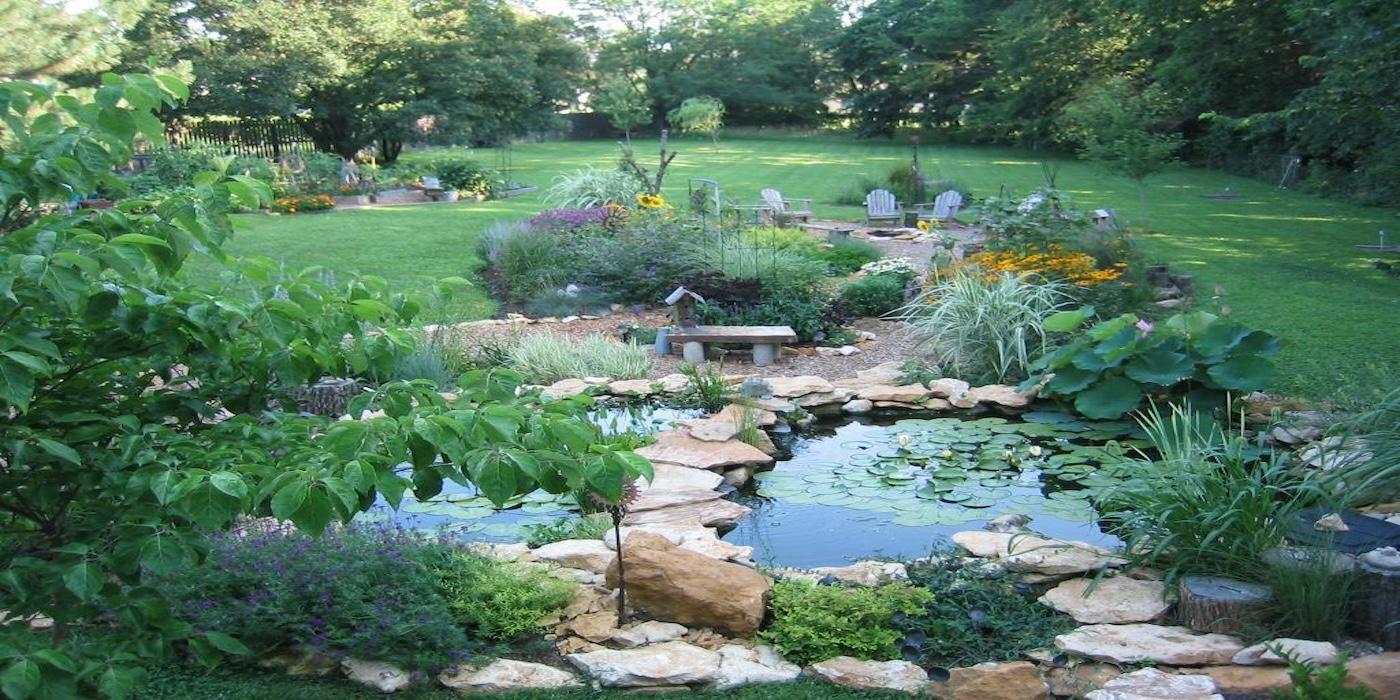
In this final report, the EFC provided a set of recommendations to the Township, including identifying and prioritizing funding sources for the Township, developing partnerships with existing local organizations, and integrating green infrastructure into land conservation planning and project site design. AttachmentsView Project Details for A Green Infrastructure Approach to Leveraging Local Priorities in Warrington Township, Pennsylvania -
 2013 (March)
Financing Strategies for Green Infrastructure Programs
The EFC presented "Financing Strategies for Green Infrastructure Programs" as part of the American Rivers’ winter webinar series for Chesapeake Bay communities in March 2013. Attachments city_of_york_webinar_part_3.pdf (2.56 MB) Financing Strategies for Green Infrastructure ProgramsView Project Details for Financing Strategies for Green Infrastructure Programs -
 2013 (July)
Calvert County, Maryland Water Quality Financing Strategy
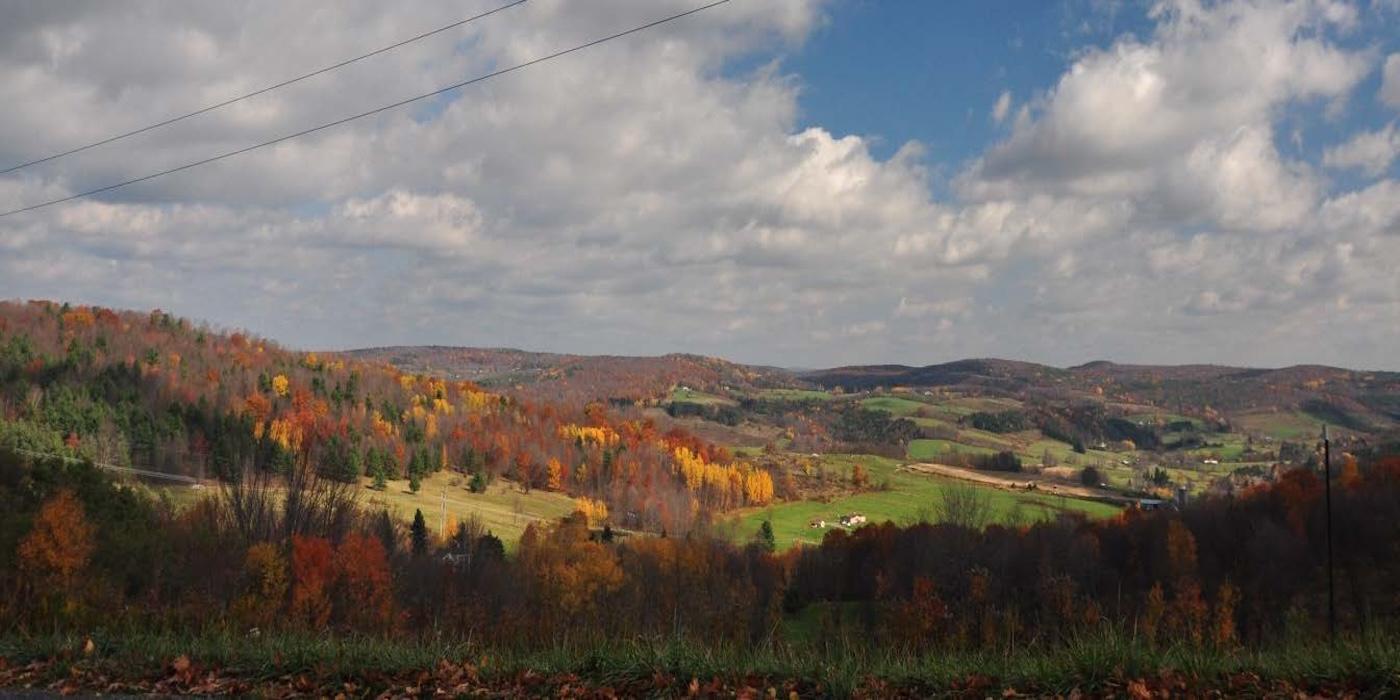
The final report summarizes a technical support project implemented by the Environmental Finance Center at the University of Maryland (EFC), in partnership with Main Street Economics, on behalf of the Calvert County, Maryland government. Through the support of the National Fish and Wildlife Foundation, the EFC developed a strategy to improve the capacity of Calvert County to implement water quality restoration and protection projects and practices through the use of more flexible and sustainable financing processes.AttachmentsView Project Details for Calvert County, Maryland Water Quality Financing Strategy -
 2013 (January)
Encouraging Efficient Green Infrastructure Investment
There are currently dozens of policies, funding, and technical assistance programs at the federal level designed to support the implementation of green infrastructure or its components. While this level of interest and support for using natural systems to address environmental, social, and economic goals is important, the multitude of opportunities can make it difficult, if not overwhelming, for communities to piece together effective green infrastructure implementation and financing strategies.View Project Details for Encouraging Efficient Green Infrastructure Investment -
 2013 (December)
Hampton, VA's Stormwater Alternatives through Green Enhancement (SAGE) Program
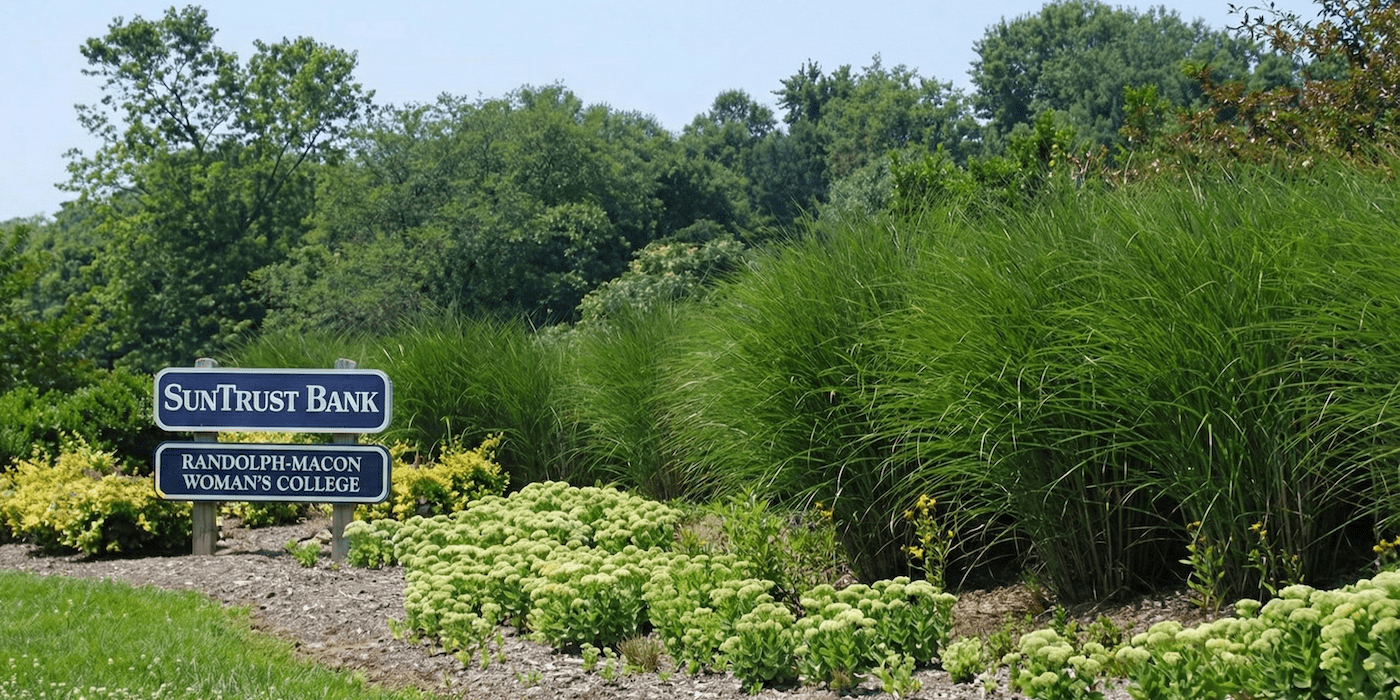
SAGE HAMPTON is a donation funded program managed by Hampton, Virginia's Clean City Commission. The program supports installation of gardens in roads rights-of-way to help slow and filter stormwater runoff entering local waterways. SAGE's goals include beautifying the local streetscape, filtering stormwater, boosting community pride and appreciation, and facilitating future economic development by creating a more inviting roadway environment. EFC helped support the development of an operational guidance document for the SAGE HAMPTON program.View Project Details for Hampton, VA's Stormwater Alternatives through Green Enhancement (SAGE) Program -
 2012 (October 19)
Financing Feasibility Study for Stormwater Management in Berlin, Maryland
In the summer of 2011, the Environmental Finance Center began working with the Town of Berlin, MD – an Eastern Shore community with a population of approximately 4,000 – to complete a stormwater financing feasibility study. AttachmentsView Project Details for Financing Feasibility Study for Stormwater Management in Berlin, Maryland