
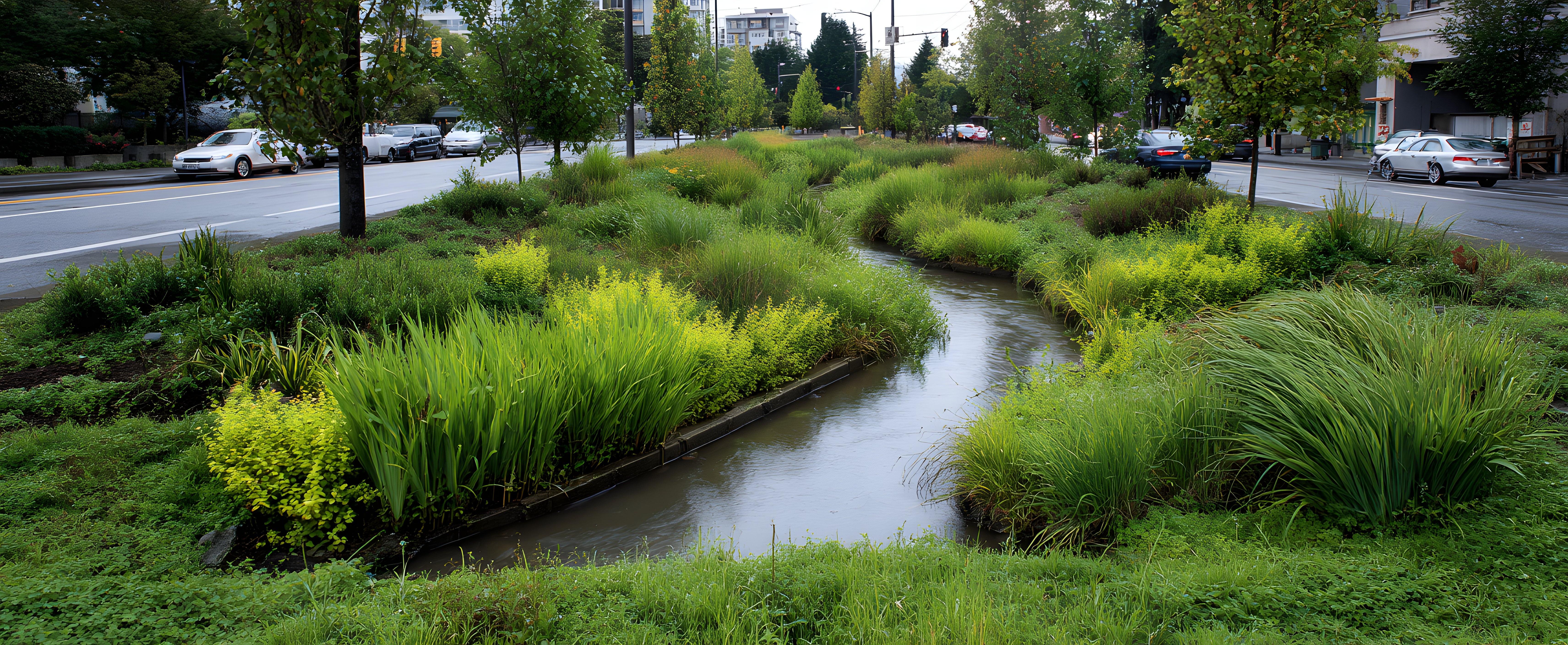
Urban stormwater and greening practices, including green space preservation, may not score as highly as suburban or rural projects on traditional environmental metrics that funders use to select and evaluate proposals. Although some grant programs include limited social indicators (e.g., number of volunteers engaged), these measures rarely reflect the full social and economic benefits that urban greening can deliver.
Significant research describes the social and economic value of urban greening, but practitioners in our region often lack a practical way to determine which metrics are most relevant to their projects, which are supported by strong evidence, and what data are needed to credibly report them. In addition, organizations are not consistently incentivized to collect these data when funders do not prioritize them in proposal review and reporting.
This project addresses those gaps through three core activities:
- Informational interviews: Conduct interviews with regional practitioners and funders to understand what social and economic data are currently collected, what is feasible, and which metrics would be most useful for decision-making, grant applications, and reporting.
- Literature review: Review the research to identify social and economic metrics with strong empirical support; assess existing tools that help practitioners select and apply metrics; evaluate the data collection burden for small nonprofits; and document gaps that could inform future research.
- White paper and metrics matrix: Produce a practitioner-focused white paper that includes a metrics matrix linking common urban greening project types to recommended social and economic metrics, required data sources, and data collection considerations.
Partners:
Sponsor:

Team Members: