

For more than three decades, the Environmental Finance Center has helped hundreds of local, state, and federal partners throughout the Mid-Atlantic region advance policies, programs, and financing strategies that achieve outcomes for people, places, and the environment. See EFC’s featured work below.
EFC's Featured Work

Region 3 WaterTA Program
The Region 3 WaterTA program offers direct support to municipalities, tribes, and water utilities in US EPA Region 3 to help them access federal and state funding to address water infrastructure needs.
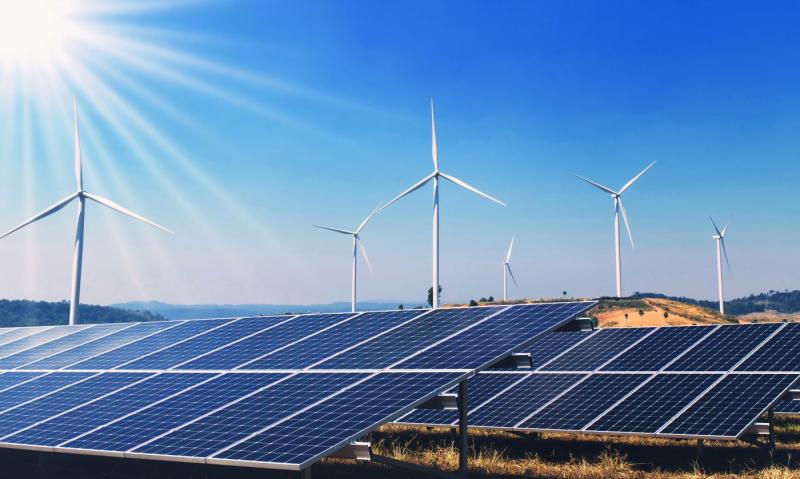
Maryland Local Government Climate Action Support Program
EFC is coordinating with the Maryland Department of Environment to help build the local capacity of Maryland communities to plan, fund, and implement climate projects and community-based climate-related outreach campaigns.
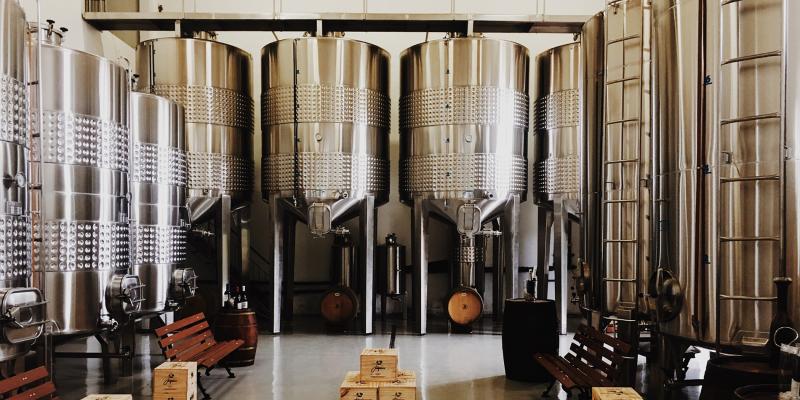
Mid-Atlantic Sustainable Breweries
The Mid-Atlantic Sustainable Breweries Program offers free sustainability consultations to help craft brewers assess operations and implement practices related to energy, water, wastewater, air emissions, and cleaning and sanitizing – all while saving costs and improving brand recognition.
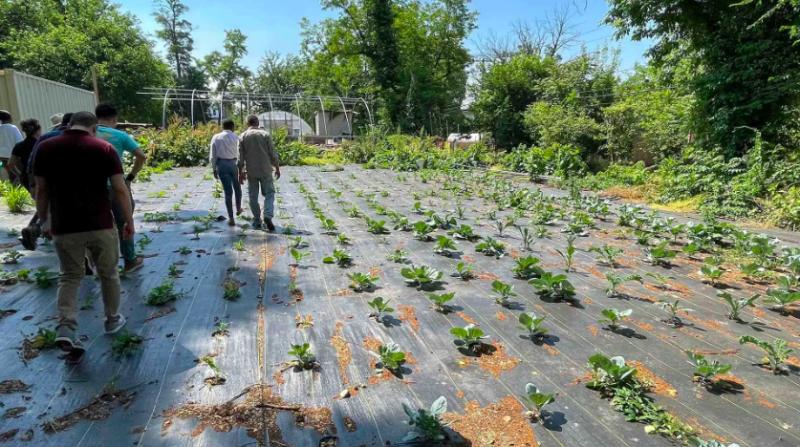
Rainwater Harvesting for Urban Farms
EFC is coordinating with UMD's School of Public Health, Extension, and USDA Agricultural Research Services to help urban farmers harvest and filter rainwater to nourish their crops and create more sustainable farms and resilient communities.
EFC Projects and Publications
See EFC’s work in action by browsing our current and archived (completed) projects below.
-
 2022 - 2024
Addressing Stormwater and Pollinators in the Route One Corridor
EFC’s Sustainable Maryland (SM) program recently convened staff, elected officials and Green Team members from 14 municipalities along the Route One Corridor in Prince George's County, Maryland, to discuss how they could advance projects and collaborate on a regional basis to address stormwater and flooding issues and the creation of a pollinator corridor.View Project Details for Addressing Stormwater and Pollinators in the Route One Corridor -
 2022 - 2024
Chesapeake Bay Watershed Tree Canopy Funding and Policy Roundtable
In March 2023, 125 local and state leaders from across the Chesapeake Bay Watershed gathered at the two-day, virtual Chesapeake Bay Watershed Tree Canopy Funding and Policy Roundtable to discuss challenges and opportunities in advancing tree canopy goals. Centered around the themes of equity, climate resilience, and tree loss, this event featured expert presentations as well as facilitated discussions with the aim of helping local and state leaders identify funding, policy, and programmatic solutions to achieve state and regional tree goals.View Project Details for Chesapeake Bay Watershed Tree Canopy Funding and Policy Roundtable -
 2022 - 2023
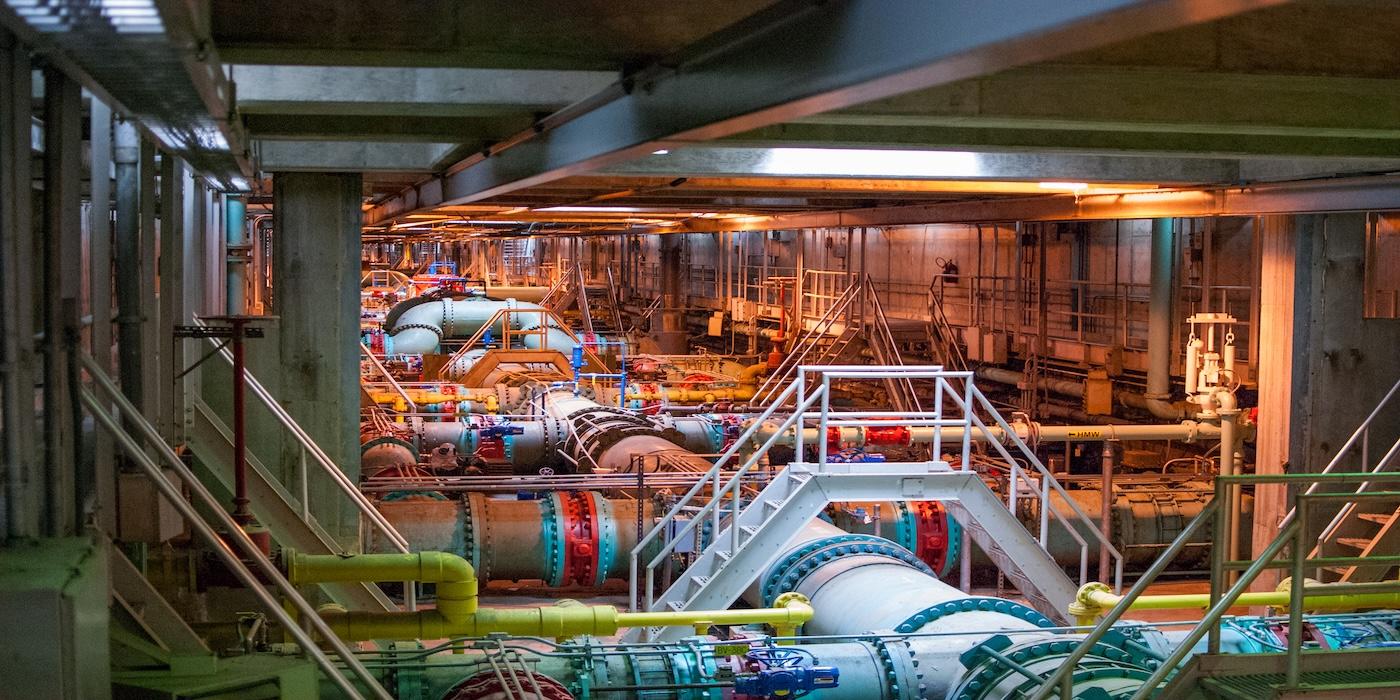
Affordability of Water Systems
The University of Maryland EFC and the Environmental Finance Center at the University of North Carolina partnered to evaluate household and community affordability metrics for the U.S. Environmental Protection Agency (EPA) memos “Financial Capability Assessment Framework for Municipal Clean Water Act Requirements” and “Developing a New Framework for Household Affordability and Financial Capability Assessment in the Water Sector.” The team used a variety of metrics to assess appropriate measurements for affordability determinations for water services.View Project Details for Affordability of Water Systems -
 2022 (March)
The Economic Benefits of Parks in New York City
Parks are vital infrastructure for healthy, flourishing communities, and are essential to improving the quality of life for city residents. In this report, Trust for Public Land (TPL) quantified the benefits of the network of city, state, and federal parks in New York City (NYC). NYC has an extensive park system that residents visit 527 million times per year, with 99 percent of residents living within a 10-minute walk to a park. Parks in NYC create billions of dollars of benefits and savings every year to residents, businesses, and visitors in all five boroughs.View Project Details for The Economic Benefits of Parks in New York City -
 2022 (January)
Ready for Resilience: Embedding Climate Action into Local Government Operations
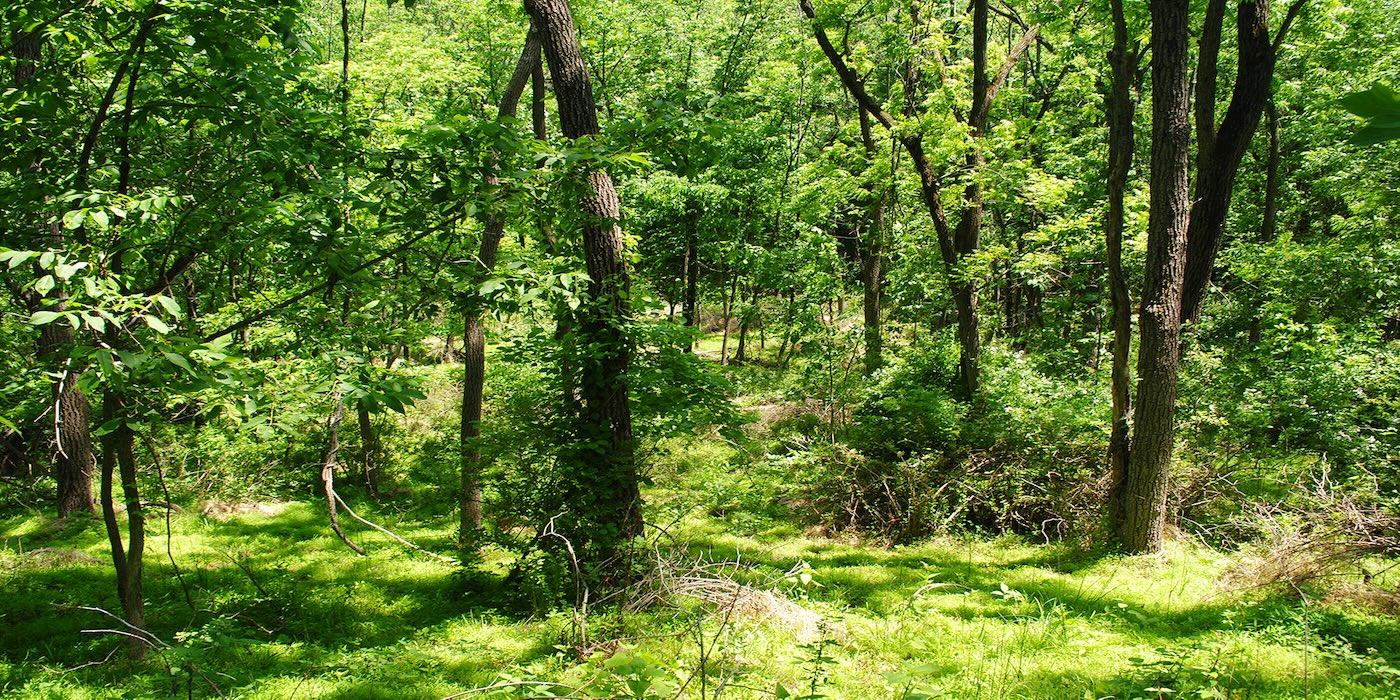
The University of Maryland Environmental Finance Center (EFC) developed this guide with support from the Maryland Department of Natural Resources (DNR) to help local governments assess and improve their capacity for increasing climate change resilience. The guide provides an approach for developing a baseline of local government operations as it relates to climate change, integrating climate change into local daily decision making, and enhancing the core functions of local government to better enable the implementation of climate action strategies.View Project Details for Ready for Resilience: Embedding Climate Action into Local Government Operations -
 2022 (February)
Mispillion and Cedar Creek Natural Resource Evaluation and Management Plan
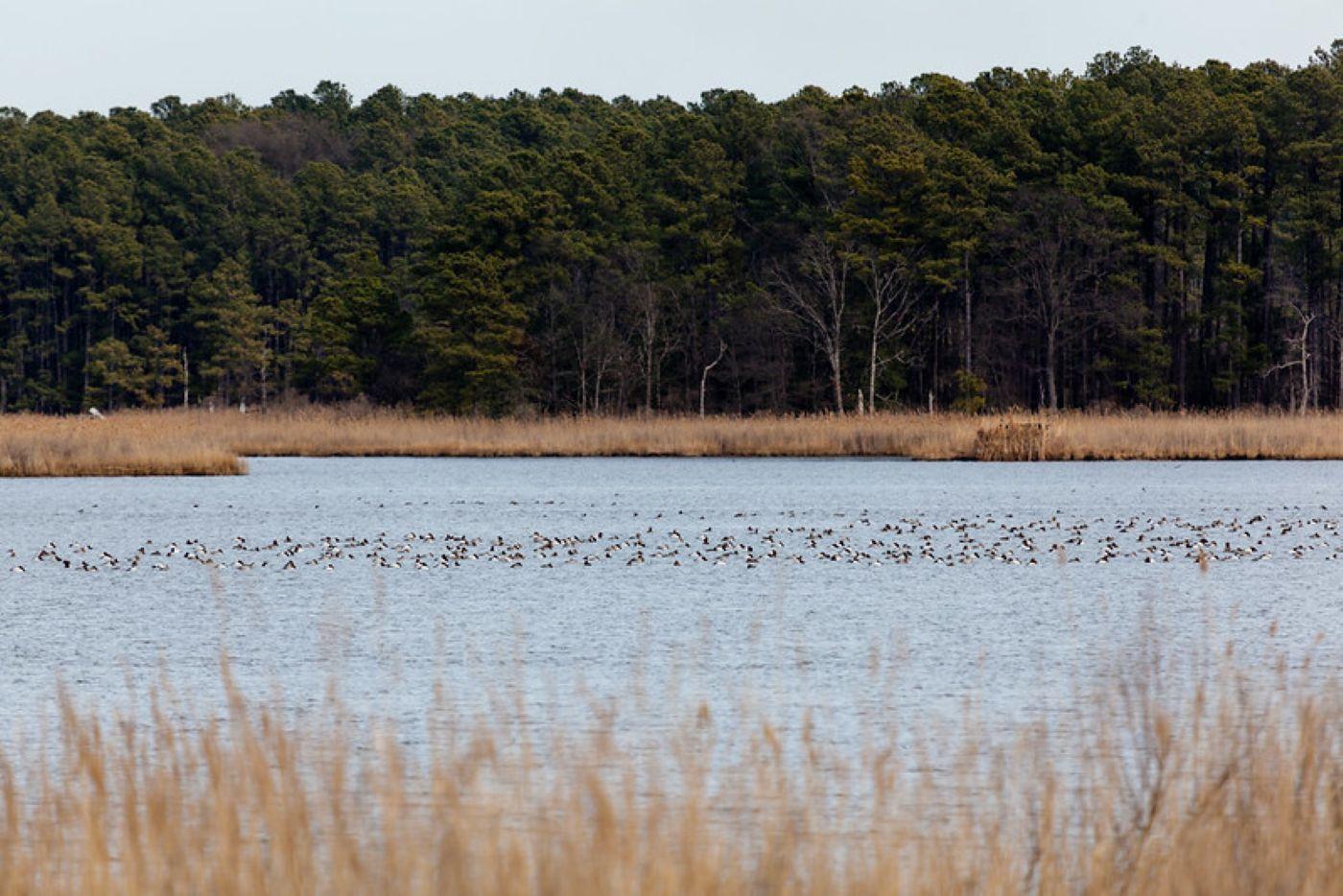
The Mispillion River and Cedar Creeks drain to the Delaware Bay in Kent and Sussex County Delaware. The vast marshes connecting them are part of an international flyway for migrating birds and a horseshoe crab sanctuary, which brings tourist dollars to the area and secures land value for residents. In addition, the marshes act as a “coastal stronghold” for managing the effects of sea level rise, including reducing property damage from flooding. Together, these resources produce multiple benefits to the state of Delaware, and the towns of Milford and Slaughter Beach.View Project Details for Mispillion and Cedar Creek Natural Resource Evaluation and Management Plan