
2025 - Present
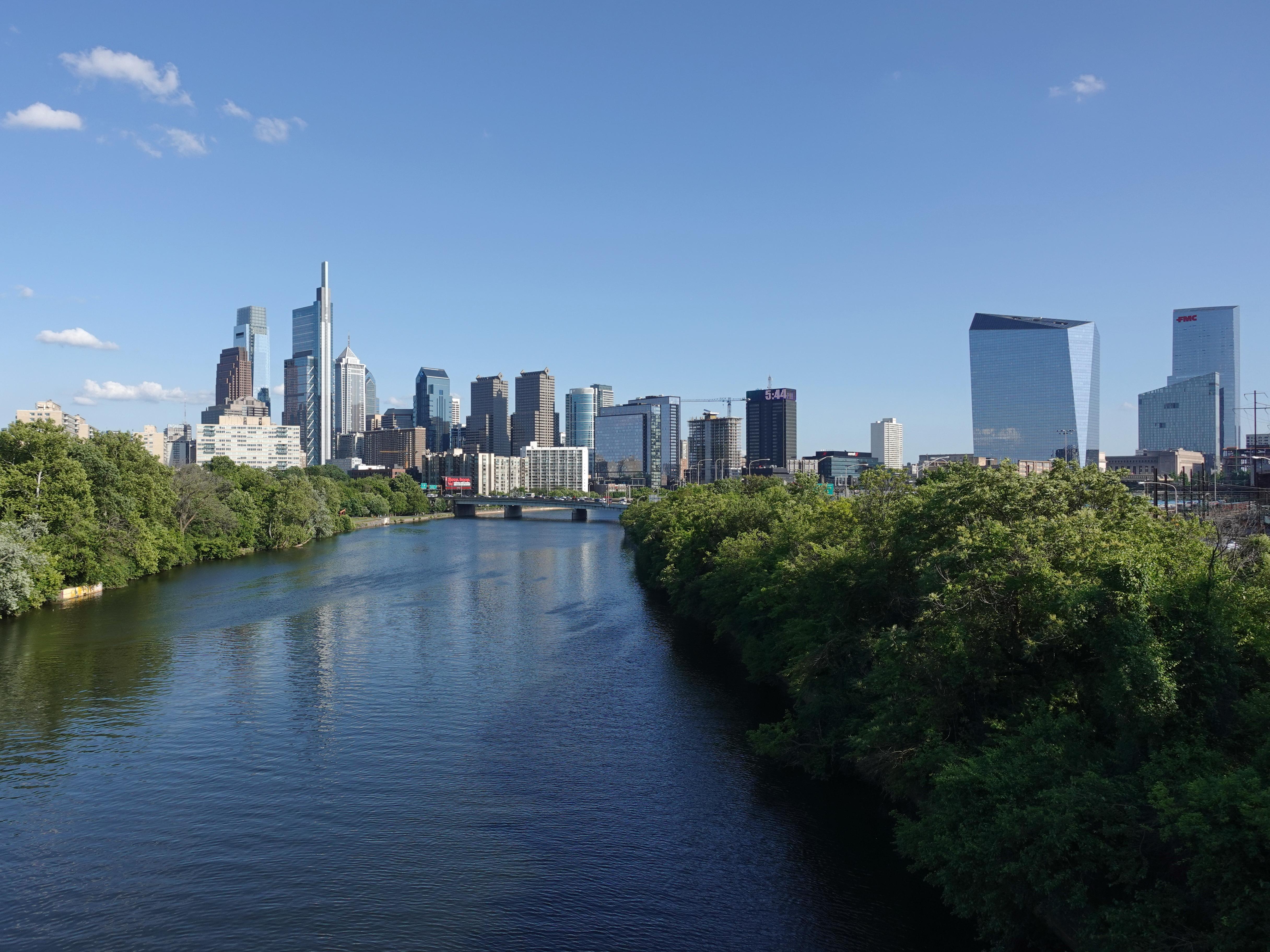
Supporting Philadelphia Water Department’s One Water Financing Efforts
EFC, in partnership with the Water Center at the University of Pennsylvania, supports the Philadelphia Water Department (PWD) through two connected efforts focused on advancing a One Water approach to financing obligations and priorities and accelerating progress on combined sewer overflow (CSO) reduction.
2025 - Present
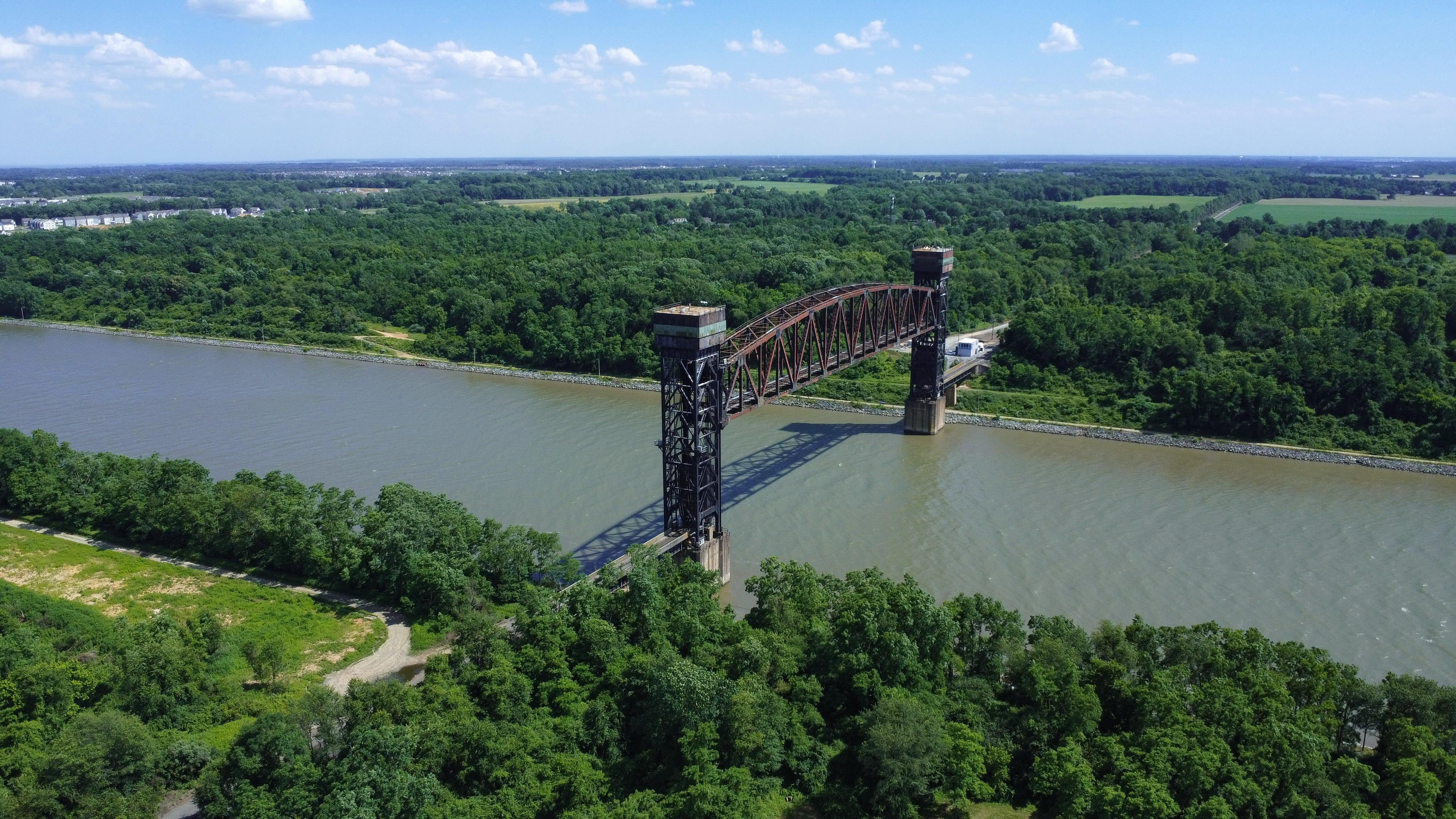
Building Bridges to the Chesapeake Bay Funders Network Capacity Building Grant Program
As federal grant funding declines and philanthropic priorities shift, community-based organizations (CBOs) and small local governments increasingly need to look beyond one-time project grants and strengthen their internal capacity. The Chesapeake Bay Funders Network Capacity Building Grant Program helps organizations become more self-sufficient and better positioned to deliver long-term benefits for their communities, local environments, and the Chesapeake Bay.
2026 -2027
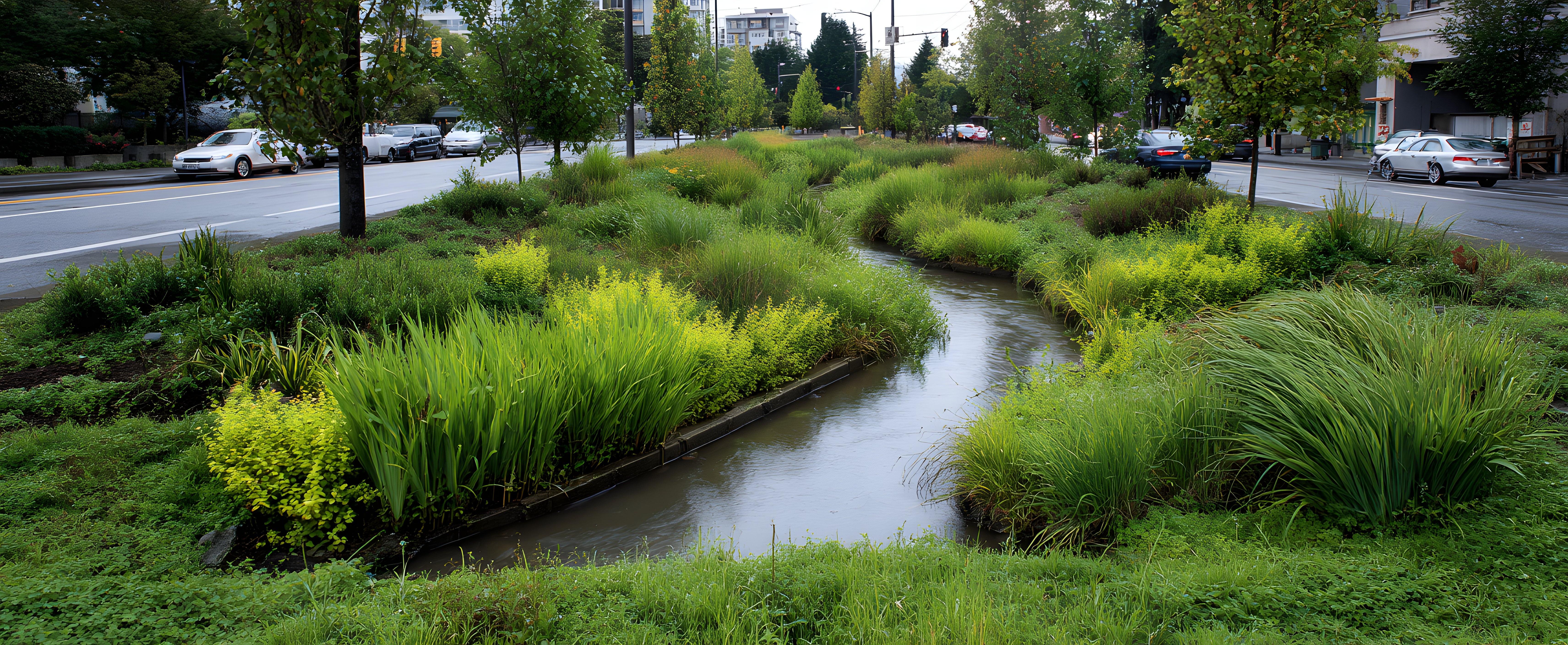
Expanding Metrics for Quantifying the Social and Economic Impacts of Urban Greening
Urban stormwater and greening practices, including green space preservation, may not score as highly as suburban or rural projects on traditional environmental metrics that funders use to select and evaluate proposals. Although some grant programs include limited social indicators (e.g., number of volunteers engaged), these measures rarely reflect the full social and economic benefits that urban greening can deliver.
2026 - 2027
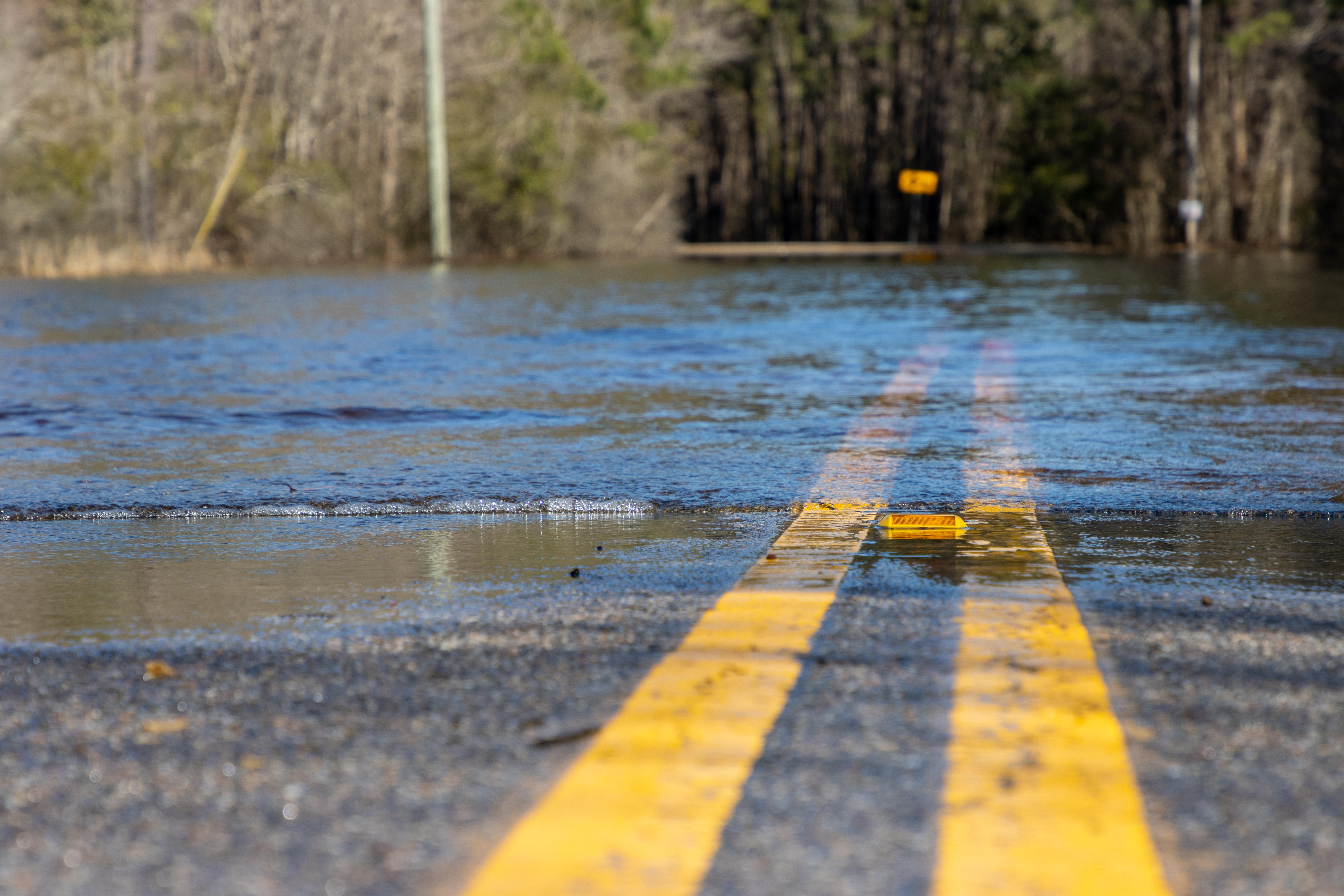
Harnessing Nuisance Flooding Data in Cecil County, MD
This project addresses Cecil County’s limited data on nuisance flooding—including where flooding occurs, how long it lasts, and how it affects residents, businesses, roads, and critical facilities. While the County has updated its Nuisance Flood Plan (2025) and has documented areas of concern using roadway and ditch overflow observations, dock flooding, and emergency services reports, County staff recognize that the most detailed and timely information often comes from the people experiencing flooding firsthand.

2026-2027
Advancing Equitable Flood Resilience in Southwest Arkansas
The rural southwest Arkansas communities of Fulton and McNab (Hempstead County) and Stamps and Lewisville (Lafayette County) face recurrent flooding, aging drainage infrastructure, and limited resources for climate adaptation planning. This project advances a community-driven watershed resilience initiative aligned with Steps 2–4 of the Steps to Resilience Framework, equipping these historically disinvested towns with the evidence, partnerships, intervention options, and financing strategies needed to implement impactful flood solutions.

2026 - 2028
Flood Resilient Development for Small Businesses
Transit-oriented development (TOD) is a powerful planning approach that can deliver multiple community benefits, including expanded access to jobs and services, reduced auto dependence, and stronger local economies. TOD can also be a driver for the displacement of existing residents and local businesses. In Prince George’s County, Maryland, these challenges intersect with a growing risk: many existing and planned transit stations sit in or are adjacent to floodplains.
2026
Frederick Urban and Community Forestry Strategic Plan
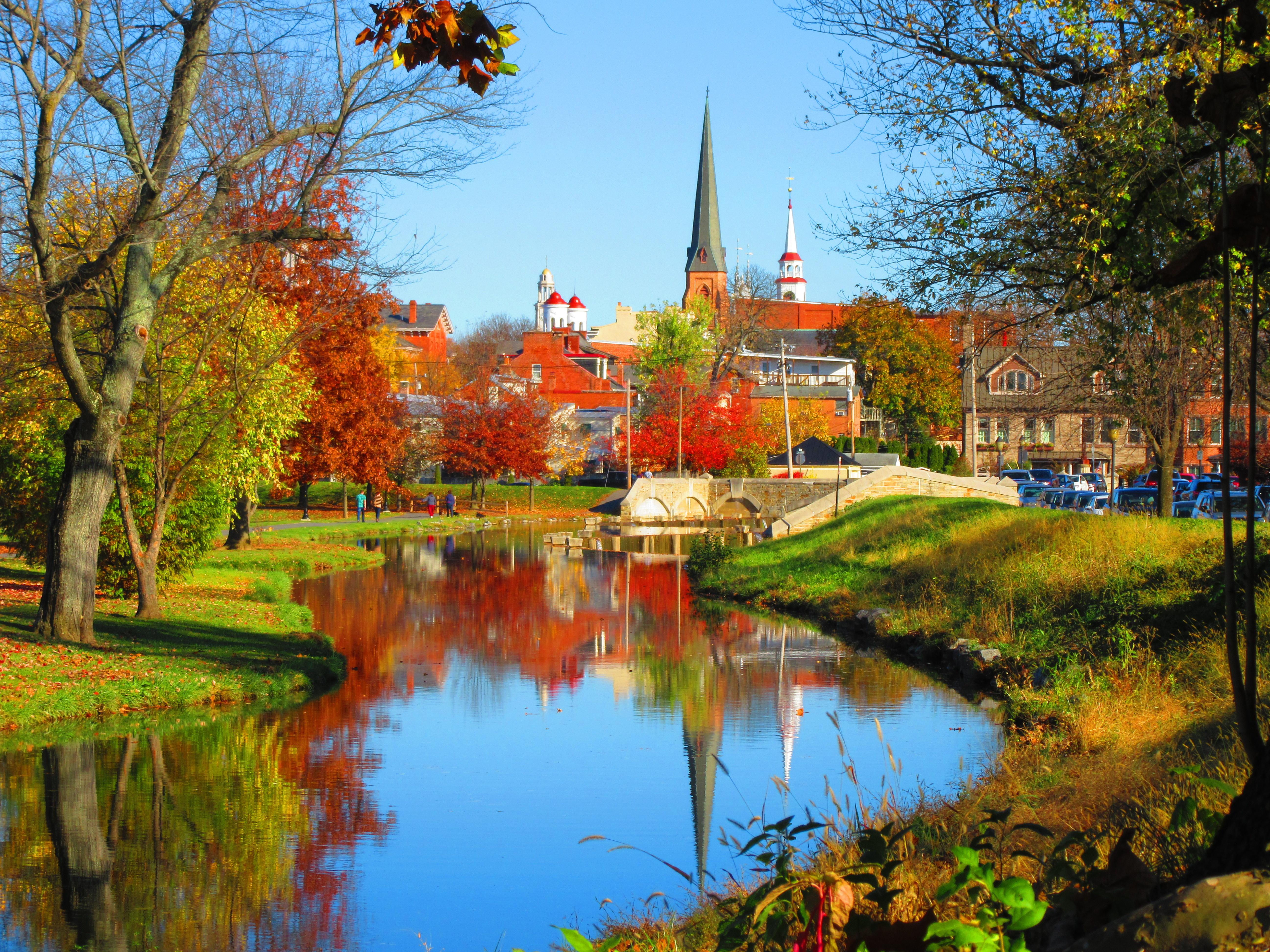
Mobilize Frederick is developing a coordinated Urban and Community Forestry Strategic Plan that brings tree canopy expansion, workforce development, and community-based engagement into a unified, actionable framework. This effort supports the city’s goal of achieving 40% tree canopy coverage while advancing near-term priorities such as planned tree plantings and the training and employment of local youth. EFC is supporting the strategic planning process, assisting with coordination, stakeholder engagement, and draft strategy development.
2025 - 2026
Promoting mutually beneficial land use planning practices in Maryland
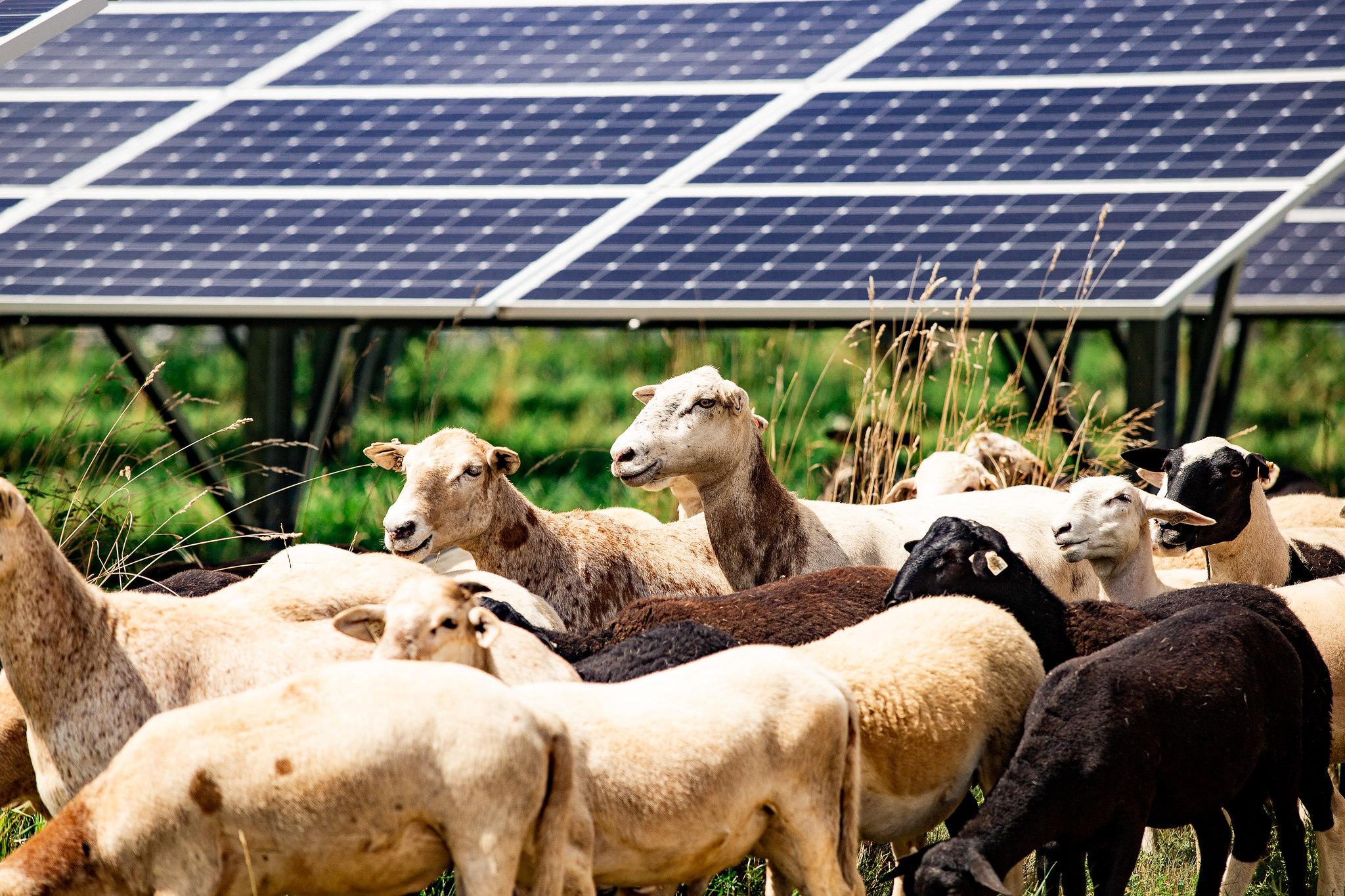
Maryland has committed to rapidly expanding the production of renewable energy – including solar – while also maintaining strong commitments to land conservation and farmland preservation. While these priorities are not inherently incompatible, they do create practical questions about where renewable energy infrastructure should be located, how agricultural land should be protected, and whether new models of shared land use can help reduce conflict.

2026
Gaithersburg Climate Action Planning
EFC, in partnership with Blue Strike Environmental, is supporting the development of the City of Gaithersburg’s Climate Action Plan (CAP). The CAP will establish a comprehensive, data-driven roadmap to reduce greenhouse gas emissions, enhance climate resilience, and advance equitable sustainability strategies aligned with Maryland’s climate goals and regional best practices.EFC is serving as a local technical advisor and community engagement partner, providing:

2026 - Present
Economic Benefits of Nature-based Solutions
EFC continued work with the American Society of Landscape Architects (ASLA) and the Landscape Architecture Foundation (LAF) to strengthen interdisciplinary research on the economic benefits of nature-based solutions and landscape architecture.