$525K Gift Will Launch New Interdisciplinary Studio Course
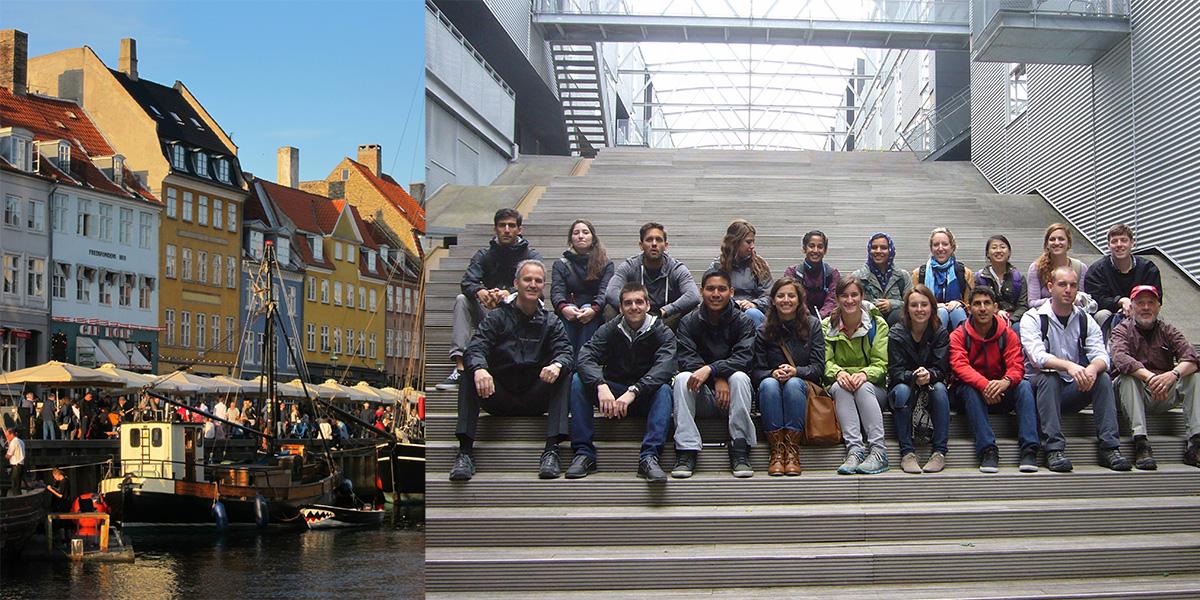
Kenn Jones' two University of Maryland degrees set the stage for a successful career in architecture. But 10 years into practice, Jones ’86, M.Arch. ’89 went off-script. He served as a U.S. diplomat in Lebanon, built curriculums for kindergarteners and college students (including an interdisciplinar...
This event is for the University of Maryland community only!Scandinavia: Culture + Place Study Abroad ProgramDiscover why Denmark is the ultimate living classroom for architecture and urbanism in this immersive 3-week Summer 2027 education abroad program! Information session by: Peter Noonan, FAIAPr...
This event is for the University of Maryland community only!Scandinavia: Culture + Place Study Abroad ProgramDiscover why Denmark is the ultimate living classroom for architecture and urbanism in this immersive 3-week Summer 2027 education abroad program! Information session by: Peter Noonan, FAIAPr...
This event is for the School of Architecture, Planning & Preservation only Topic: Project ManagementSpeakers:ABC Affiliated MembersProject Managers from Associated Builders and Contractors of Metro WashingtonJoin us in learning from Project Managers from varying scopes (Drywall, Concrete, etc.) ...
For 20 years, the National Brewing Company’s mustachioed mascot has been the neon charm on Baltimore’s city skyline, calling to thirsty commuters traveling I-95 with its a sudsy siren song. But Natty Boh’s old-timey look is also a nostalgic nod to its nine-story perch that opened in 1885 and listed ...
Come join us in celebrating our Fall 2026 Graduates! A short program will be held in the Architecture Building Auditorium, followed by a reception serving coffee, cookies and tea in the Kibel Gallery.Students will receive an email to RSVP. SPEAKER: Beth L. Savage (she/her)Chair, Board of VisitorsUni...
Assessment and Planning for Remediation of Bermed Infiltration Ponds in Dorchester County, Maryland
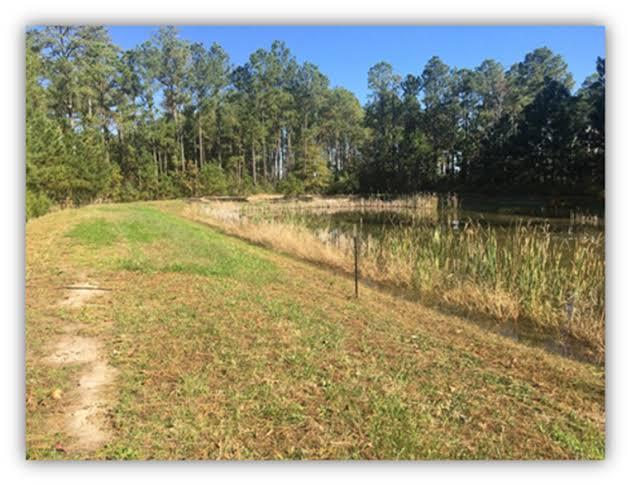
Project Summary:Bermed Infiltration Ponds (BIPs) are onsite sewage treatment systems used primarily in Dorchester County where conventional septic systems are not feasible. Many are aging and at risk of failure, threatening public health, water quality, and wildlife habitat.
Community Climate Resilience Leadership Initiative
Communities across Maryland face growing risks from extreme heat, severe storms, flooding, and power disruptions. Although local governments and community organizations are eager to prepare, many lack the tools, training, and coordination needed to act.The Community Climate Resilience Leadership Initiative will build local leadership, strengthen emergency preparedness, and support community-led resilience solutions while developing a model that can be adapted across Pepco’s service territory and beyond.
Rapid Stream Delisting is a data-driven approach that uses collaborative partnerships and GIS mapping to target watershed restoration activities and investments in manageable, high-potential areas. Proven effective in several Pennsylvania counties, the approach accelerates water quality improvements by concentrating resources where they can achieve the greatest impact.
Operationalizing Flood Inundation Mapping (FIMS) in Maryland Through a Social Science Approach
The FIMs (flood inundation mapping) project focuses on conducting community-based research to increase the use and understanding of FIMs tools and technologies and integrate their use into local preparation and planning efforts. The intended outcomes and impacts of this work are to increase community understanding of flood mapping, facilitate both incident response and long-term community planning and, more broadly, improve community health and well-being related to climate, flooding, and socio-economic inequalities.