

2022 - 2024
Addressing Stormwater and Pollinators in the Route One Corridor
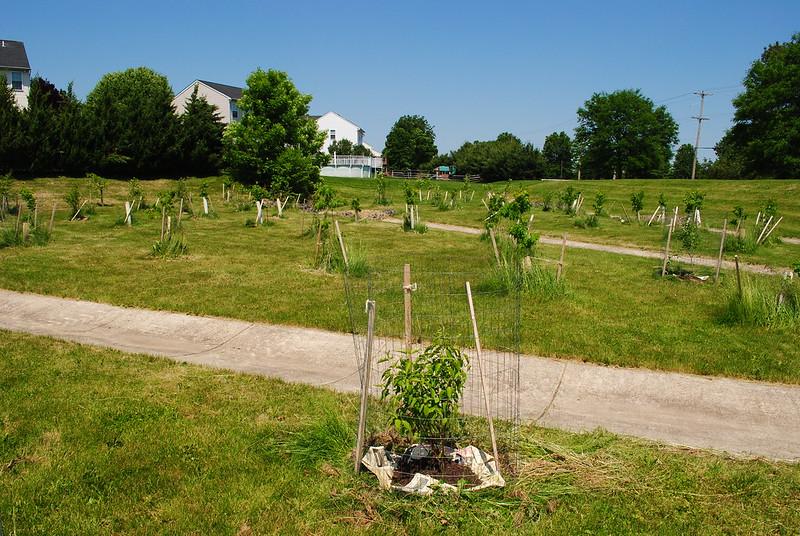
EFC’s Sustainable Maryland (SM) program recently convened staff, elected officials and Green Team members from 14 municipalities along the Route One Corridor in Prince George's County, Maryland, to discuss how they could advance projects and collaborate on a regional basis to address stormwater and flooding issues and the creation of a pollinator corridor.

2005
A White Paper From The Financing Authority Committee, Chesapeake Bay Program
In January 2005, the Chesapeake Executive Council issued Directive 04-1 in response to the recommendations set forth by the Blue Ribbon Finance Panel. That directive instructed the Principals’ Staff Committee "to convene a Committee of federal, state, and regional finance and legal experts to provide a specific proposal" for a regional financing authority that would help finance and implement programs to restore and protect water quality throughout the Chesapeake watershed.
2020 - 2022
Resilience Financing for Maryland Local Governments
EFC partnered with the Maryland Forestry Foundation to develop an action framework and community engagement series to support Resilience Financing for Maryland Local Governments. This capacity building and education effort was designed to help local governments build resilience into their communities, particularly in the form of natural capital. Natural capital is the extension of the economic notion of capital (manufactured means of production) to goods and services relating to the natural environment.
2016 (November)
A Different Approach to Investing in the Restoration and Protection of the Delaware River Watershed
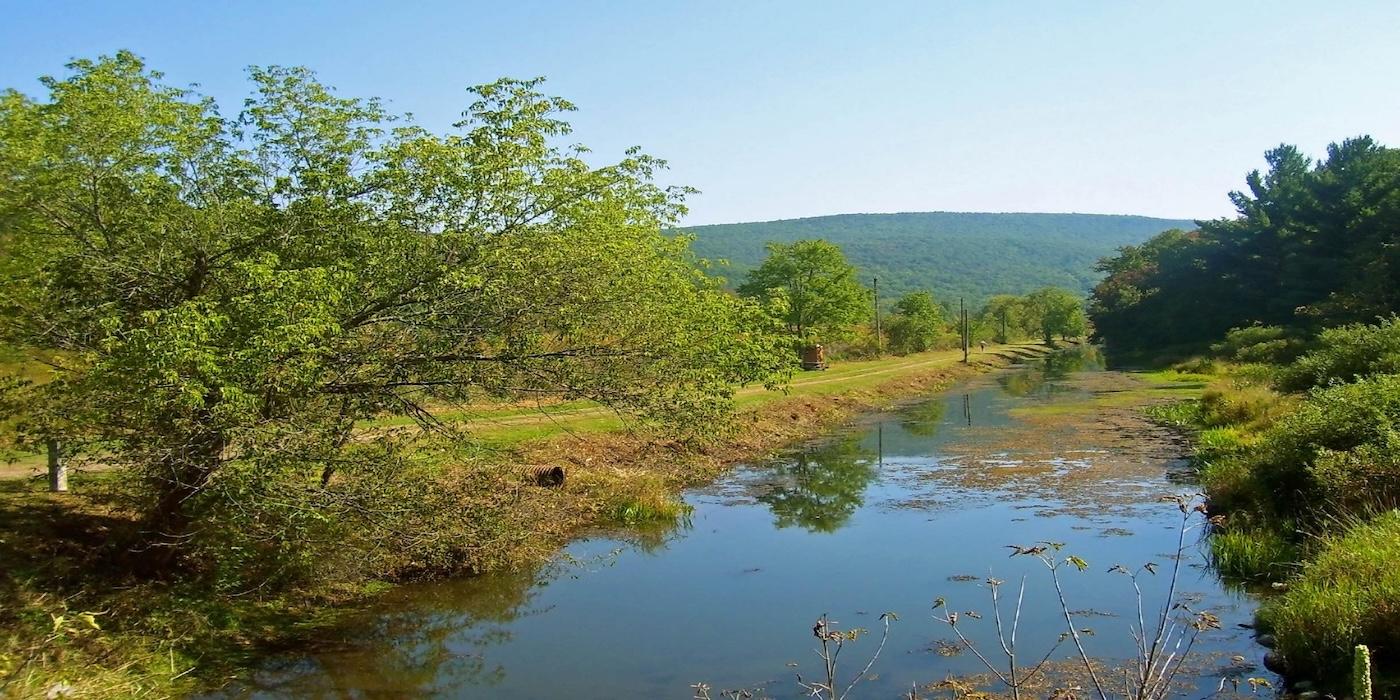
Institutions like the William Penn Foundation play a critical role in natural resource restoration and protection efforts through their support of new and successful programs, projects, and conservation initiatives. However, ensuring the Delaware River watershed is a safe and reliable water resource in the long-term requires the philanthropic investments to be catalytic in nature, spurring further investments from the public and private sectors. With funding from the William Penn Foundation, the EFC led an 18-month project called the Innovative Financing Panel.
2025 (April)
2024 Annual Report - The Environmental Finance Center at the University of Maryland
Dear Friends and Supporters,