
2021
Seeking Stormwater Solutions: Getting the MOST for Local Leaders
The Environmental Finance Center in partnership with the Alliance for the Chesapeake Bay planned and implemented a virtual training program for local governments using on-demand courses from the MOST Center, facilitated peer-to-peer discussion forums, and matchmaking with local watershed groups and technical service providers. Three pilot-scale cohorts in Pennsylvania, Maryland and Virginia, engaged 30 participants from 15 local governments throughout the Chesapeake Bay watershed.
2014
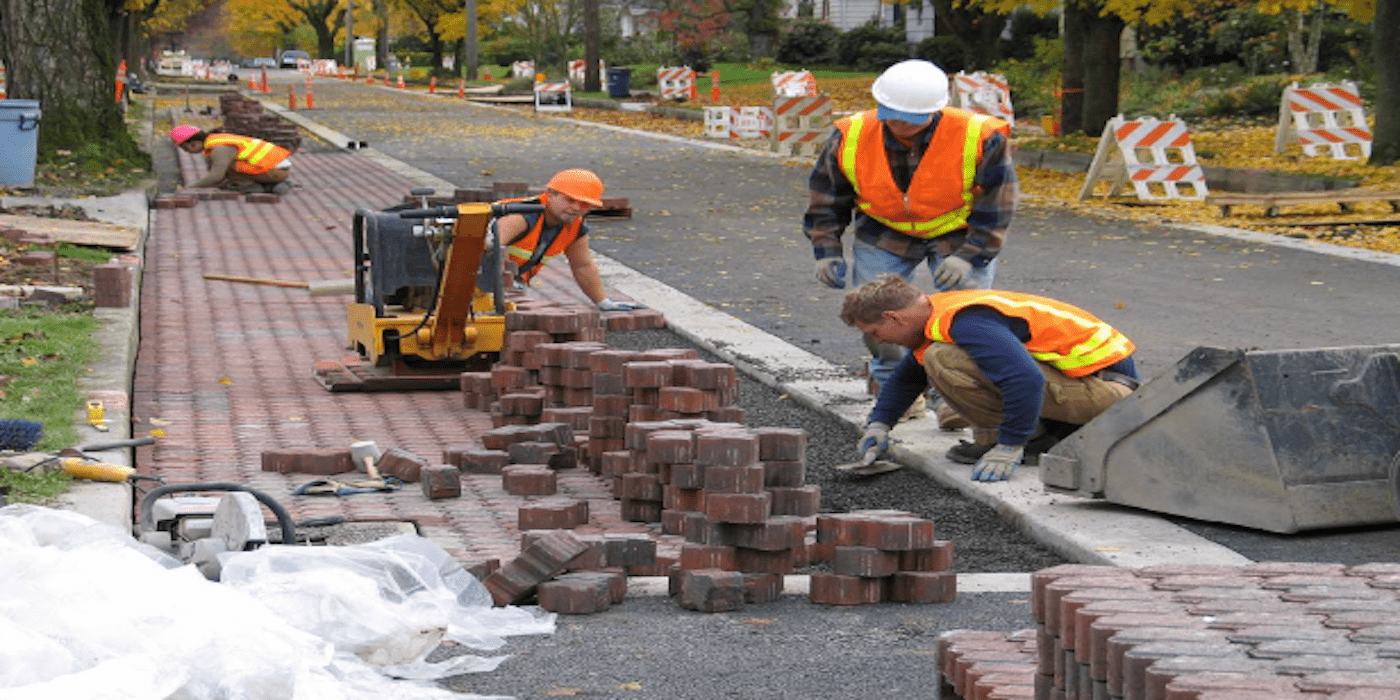
Local Government Stormwater Financing Manual
EFC’s Local Government Stormwater Financing Manual was inspired by and written for local government leaders.

2014 (April)
Asset Management for Stormwater
Asset management is a strategic approach to maintaining and sustaining infrastructure in order to meet the needs of the community at the lowest overall life cycle cost. This approach helps communities know how and where to prioritize limited funds in order to achieve the greatest benefit. Often applied to drinking water and wastewater infrastructure, this method is well suited to managing any assets, including stormwater systems.
2021
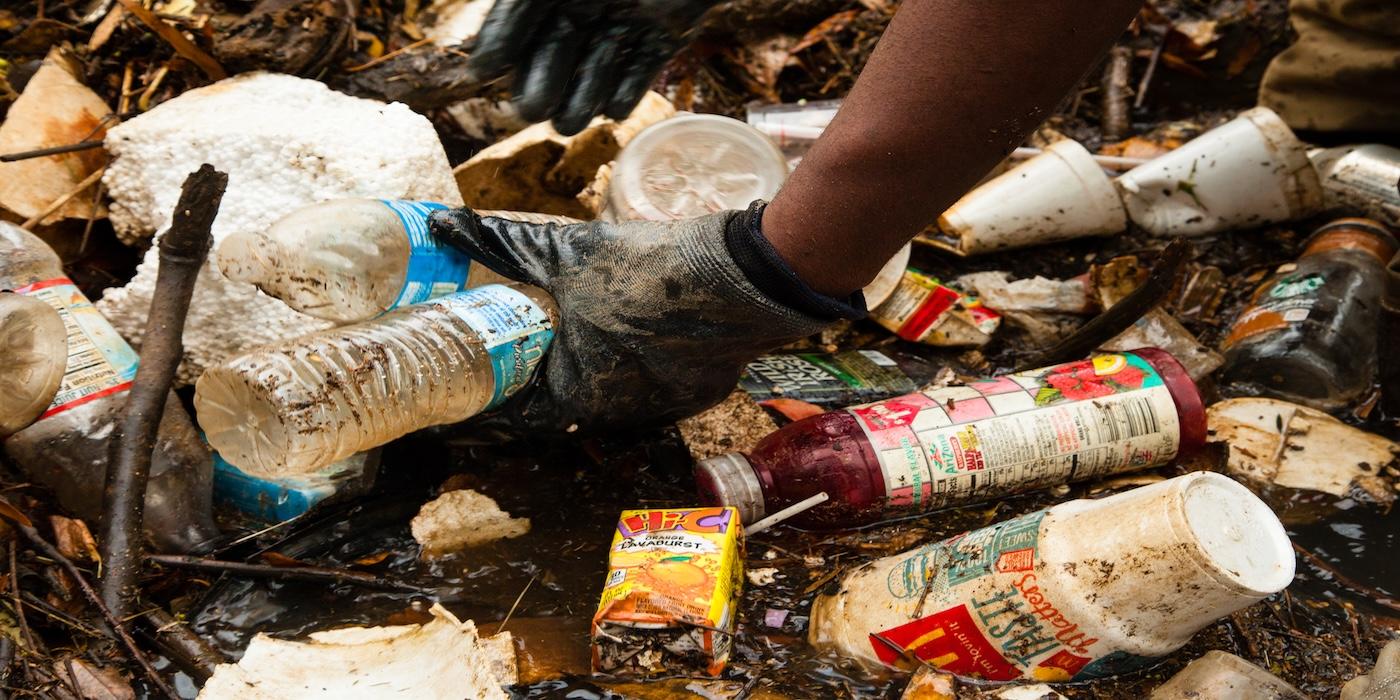
Analyzing Anacostia Watershed Litter Survey Data
Photo by Will Parson/Chesapeake Bay Program
2021 (September)
An Analysis of Current Water Infrastructure Financing in Pennsylvania
Report authored by the Environmental Finance Center at the University of Maryland and the Water Center at the University of Pennsylvania.Project funders:The Campbell FoundationThe Heinz EndowmentsWilliam Penn FoundationAttachments

2011 (September)
Alternative Switchgrass Markets on Maryland’s Eastern Shore
The Environmental Finance Center investigated market opportunities for switchgrass as an alternative energy source on Maryland’s Eastern Shore. This investigation included an extensive series of interviews hosted by the EFC with resource experts who had first-hand experience with the science behind switchgrass production and the economics of agricultural operations, as well as expertise in biofuels production.
2022 - 2023
Affordability of Water Systems
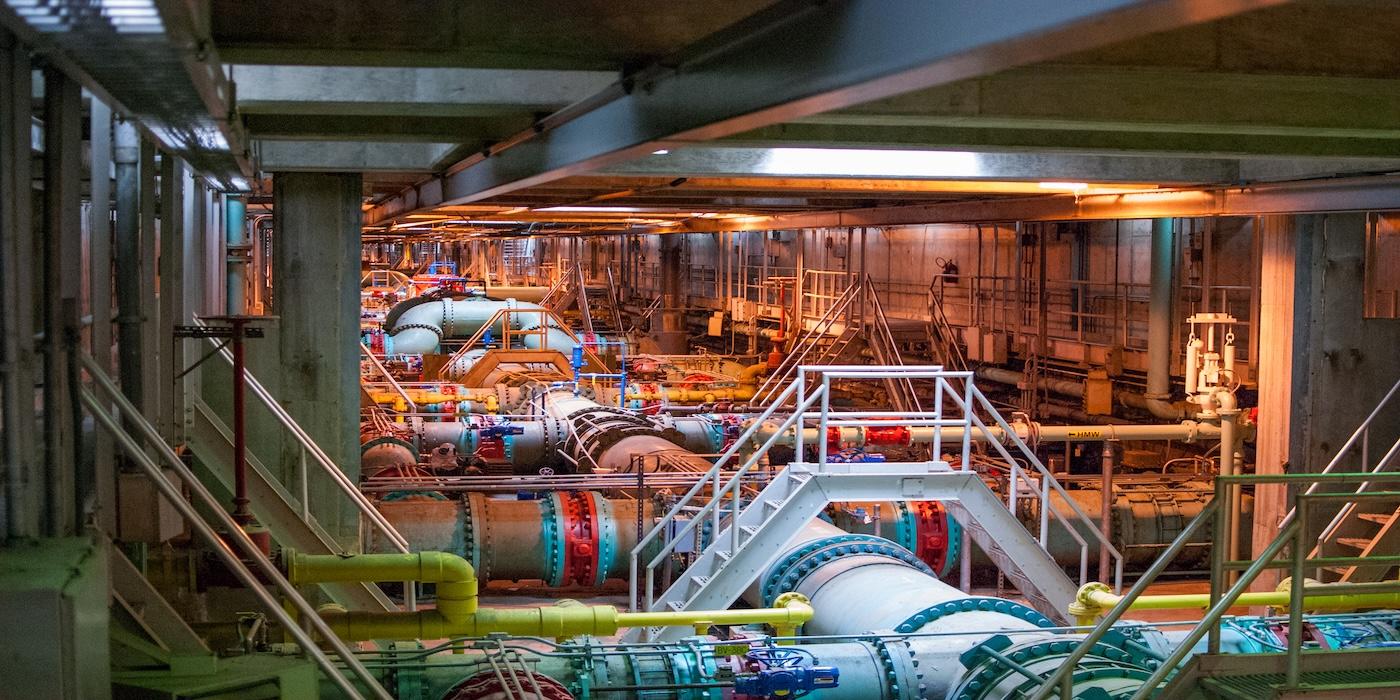
The University of Maryland EFC and the Environmental Finance Center at the University of North Carolina partnered to evaluate household and community affordability metrics for the U.S. Environmental Protection Agency (EPA) memos “Financial Capability Assessment Framework for Municipal Clean Water Act Requirements” and “Developing a New Framework for Household Affordability and Financial Capability Assessment in the Water Sector.” The team used a variety of metrics to assess appropriate measurements for affordability determinations for water services.
2018 (January)
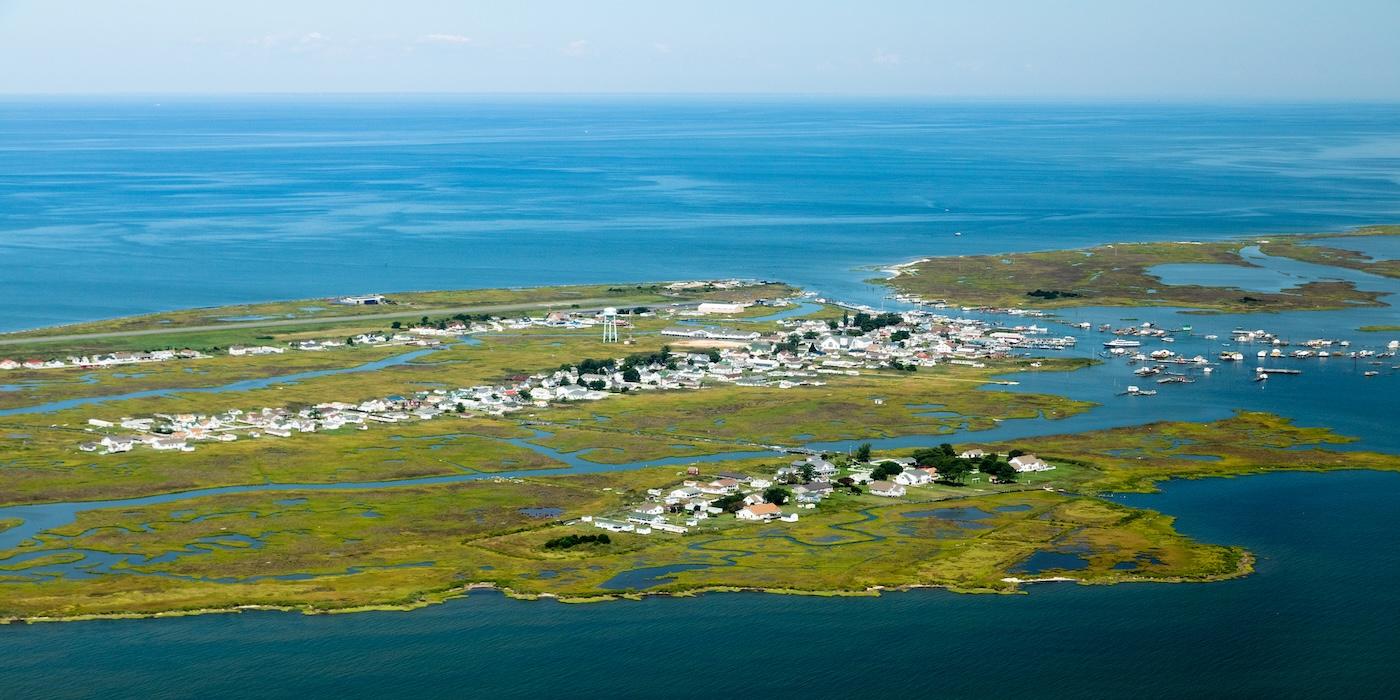
Advancing Resilience-Supportive Economic Development on Virginia’s Eastern Shore
Photo by Will Parson/Chesapeake Bay Program
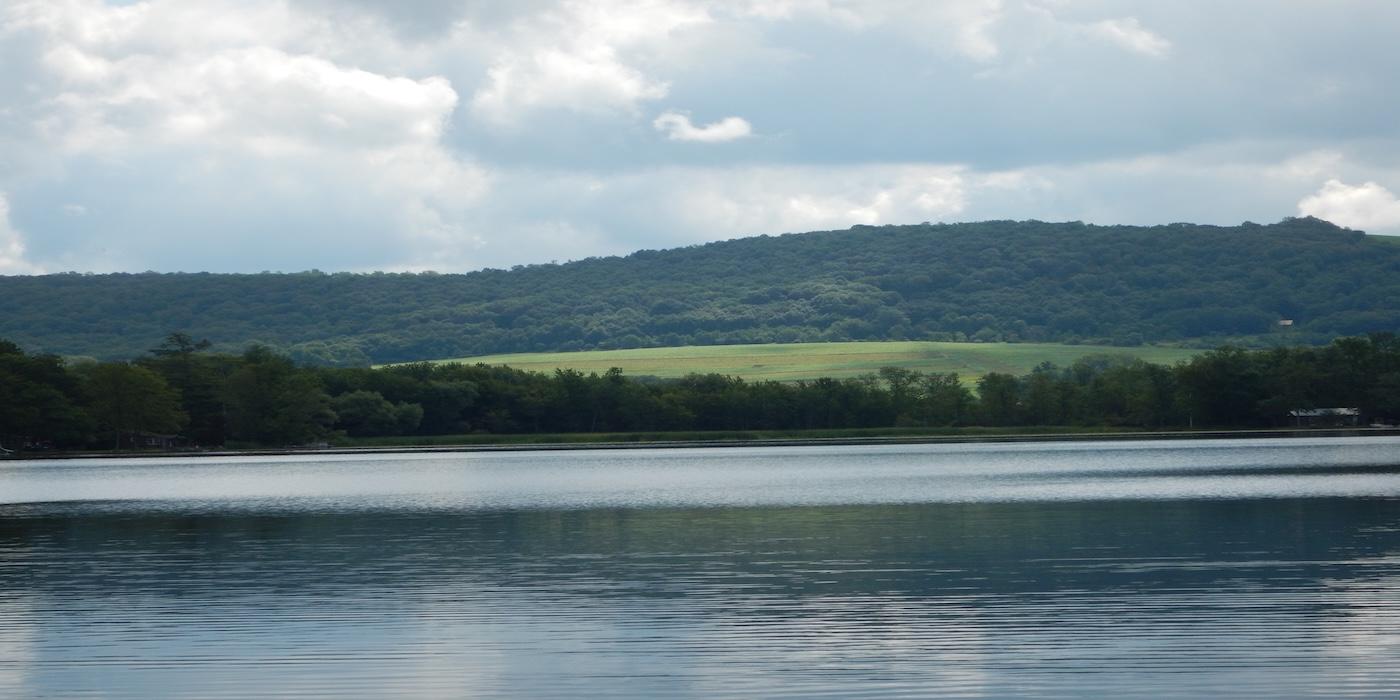
Advancing Local-Level Water Quality and Resiliency Financing in the New York Kettle Lakes
The University of Maryland EFC and the Syracuse EFC partnered to deliver technical assistance in the Kettle Lake region in the New York portion of the Chesapeake Bay watershed. This effort built on the Syracuse EFC’s initial work to develop watershed implementation plans (WIPs) for each of the four lakes and created a financing strategy designed to connect lake stakeholders to resources that will support the implementation of identified water quality improvement projects.Partners

2022 - 2024
Chesapeake Bay Watershed Tree Canopy Funding and Policy Roundtable
In March 2023, 125 local and state leaders from across the Chesapeake Bay Watershed gathered at the two-day, virtual Chesapeake Bay Watershed Tree Canopy Funding and Policy Roundtable to discuss challenges and opportunities in advancing tree canopy goals. Centered around the themes of equity, climate resilience, and tree loss, this event featured expert presentations as well as facilitated discussions with the aim of helping local and state leaders identify funding, policy, and programmatic solutions to achieve state and regional tree goals.