
2014 - Present
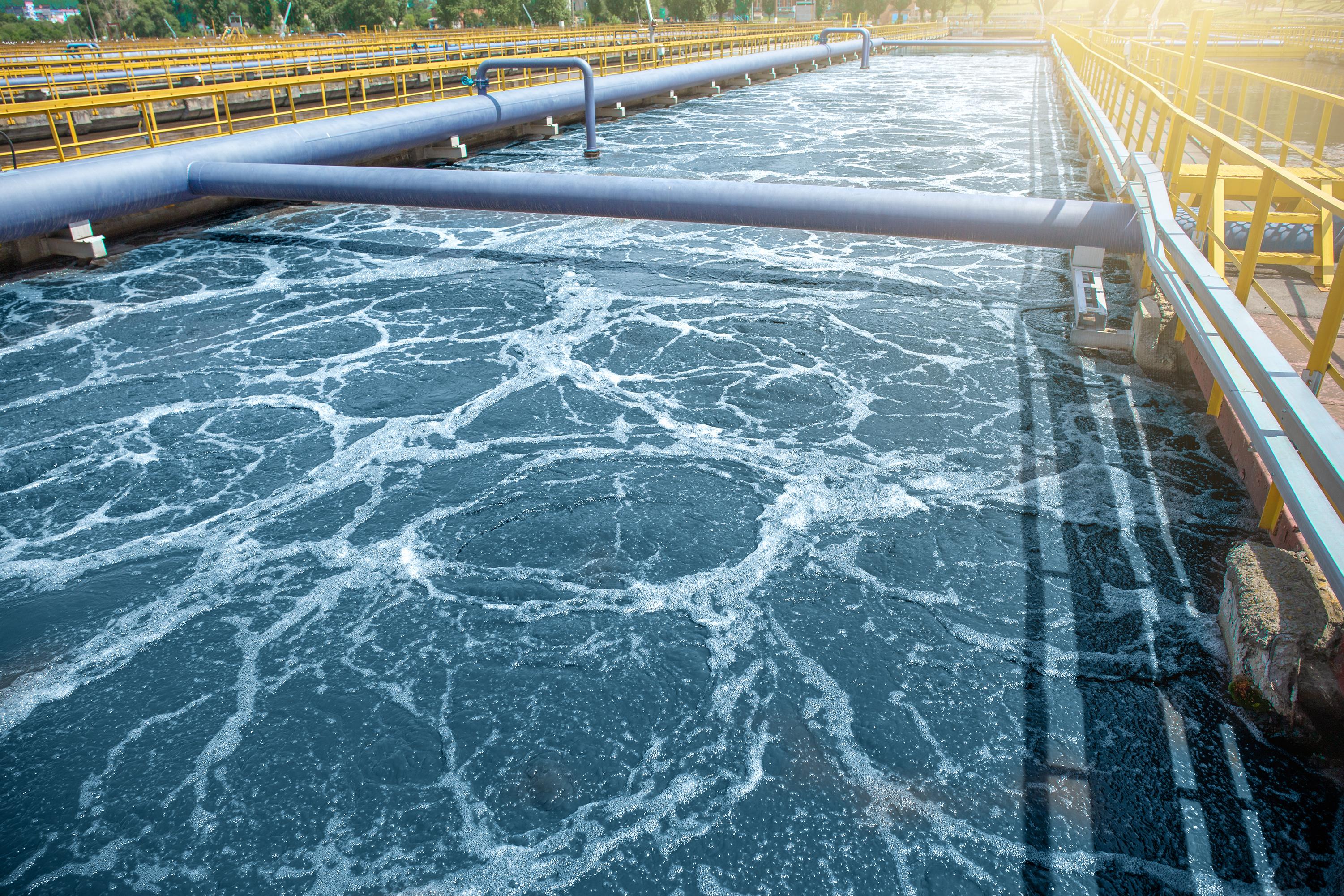
Training and Technical Assistance for Small Public Water and Wastewater Systems
The Environmental Finance Center Network (EFCN) provides training and technical assistance to small public water and wastewater systems in rural and urban communities and to tribally-owned and -operated systems throughout the U.S. The EFCN works to expand and enhance the capacity of these systems to address their technical, managerial, and financial needs and achieve long-term sustainability and resiliency.
2024 (October)
Requests for Proposals: When to Dive In and When to Pass on Grants
This interactive tool will help users determine whether or not a grant is a good fit for your organization or project idea.AuthorMichelle KokolisPublication DateOctober 2024LinksRequests for Proposals: When to Dive In and When to Pass on GrantsAttachments

2023 - Present
Region 3 Real Water Technical Assistance (RealWaterTA) Program
The Region 3 RealWaterTA program offers direct support to municipalities, tribes, and water utilities in Region 3 to help them access federal and state funding to address water infrastructure needs. This assistance is provided at no cost to recipients, through an award from the US Environmental Protection Agency. Assistance is available based on community need and team capacity.Services include assistance identifying water challenges; developing plans; building technical, financial, and managerial capacity; and completing funding application materials (see graphic below).
2021 - Present
Prince George’s County Climate Action Implementation and Programmatic Support Services
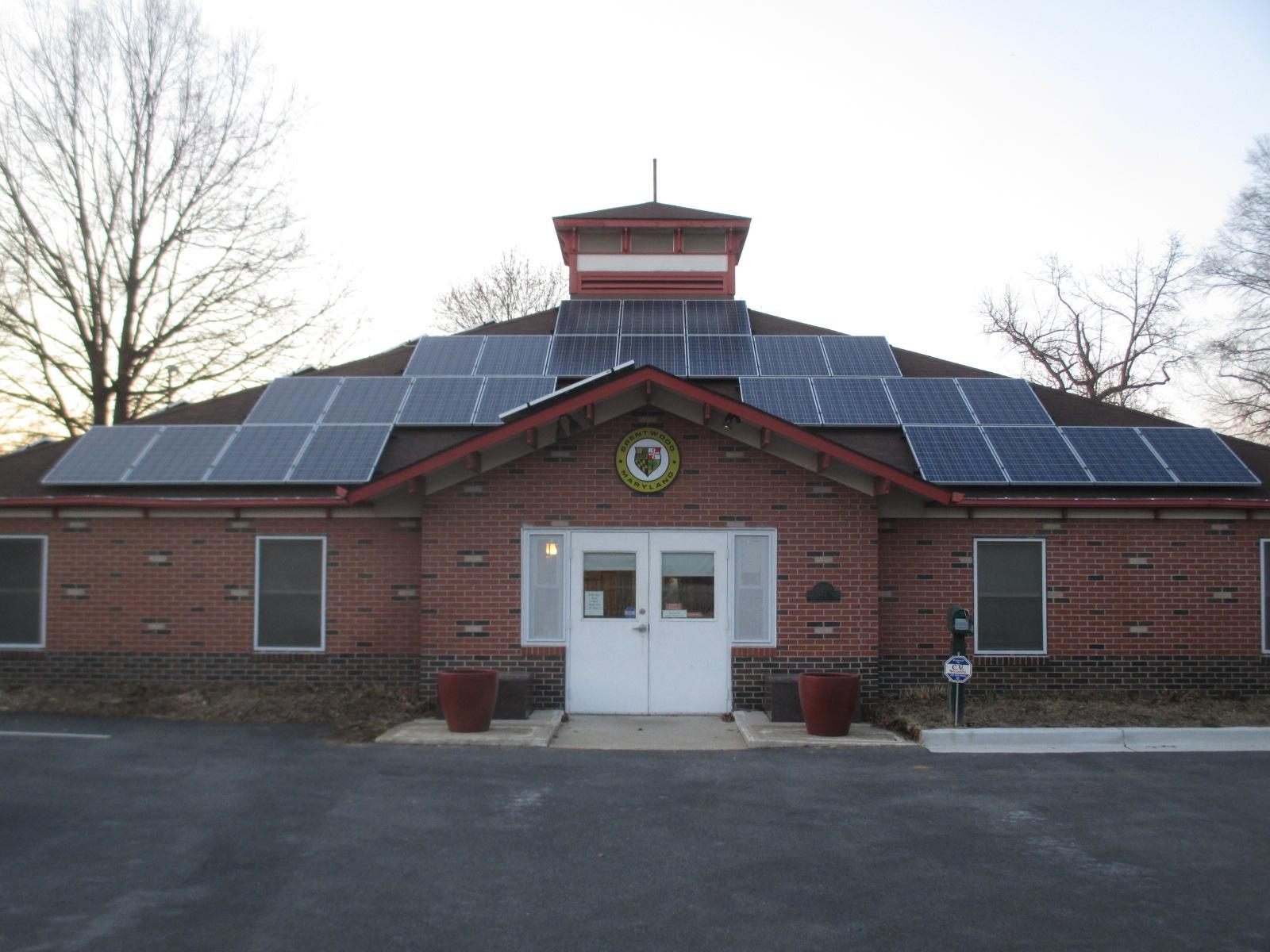
EFC is supporting the Prince George’s County Department of Environment in their effort to develop and adopt a County Climate Action Plan (CAP). EFC is providing the county with technical support in the development of greenhouse gas inventories, climate action and resilience plans, and translating technical language for a wide variety of stakeholders.
2023 - Present
Rainwater Harvesting for Urban Farms
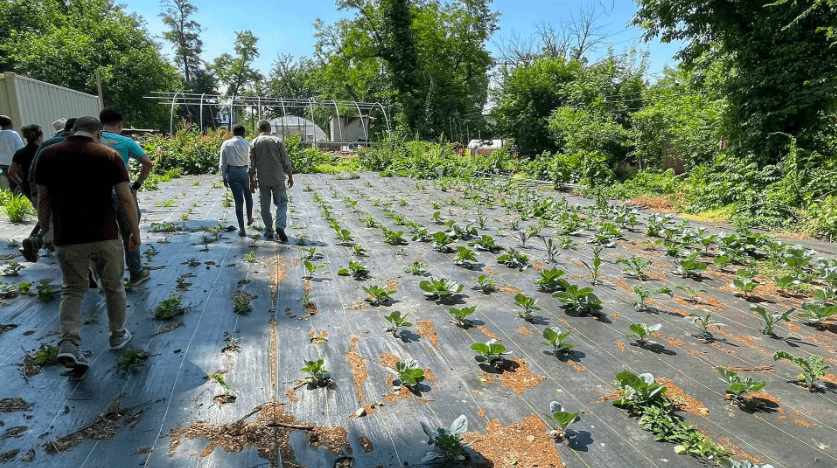
Urban agriculture is growing quickly across the U.S. to address food insecurity and climate change. Rainwater harvesting could provide reliable, high-quality water for urban farms, yet there is currently low adoption due to water quality concerns and uncertainty about costs and benefits. There is an immediate need to increase rainwater harvesting in urban agriculture to produce safe and nutritious foods for underserved communities and address climate change’s stress on water sources.
2023 - Present
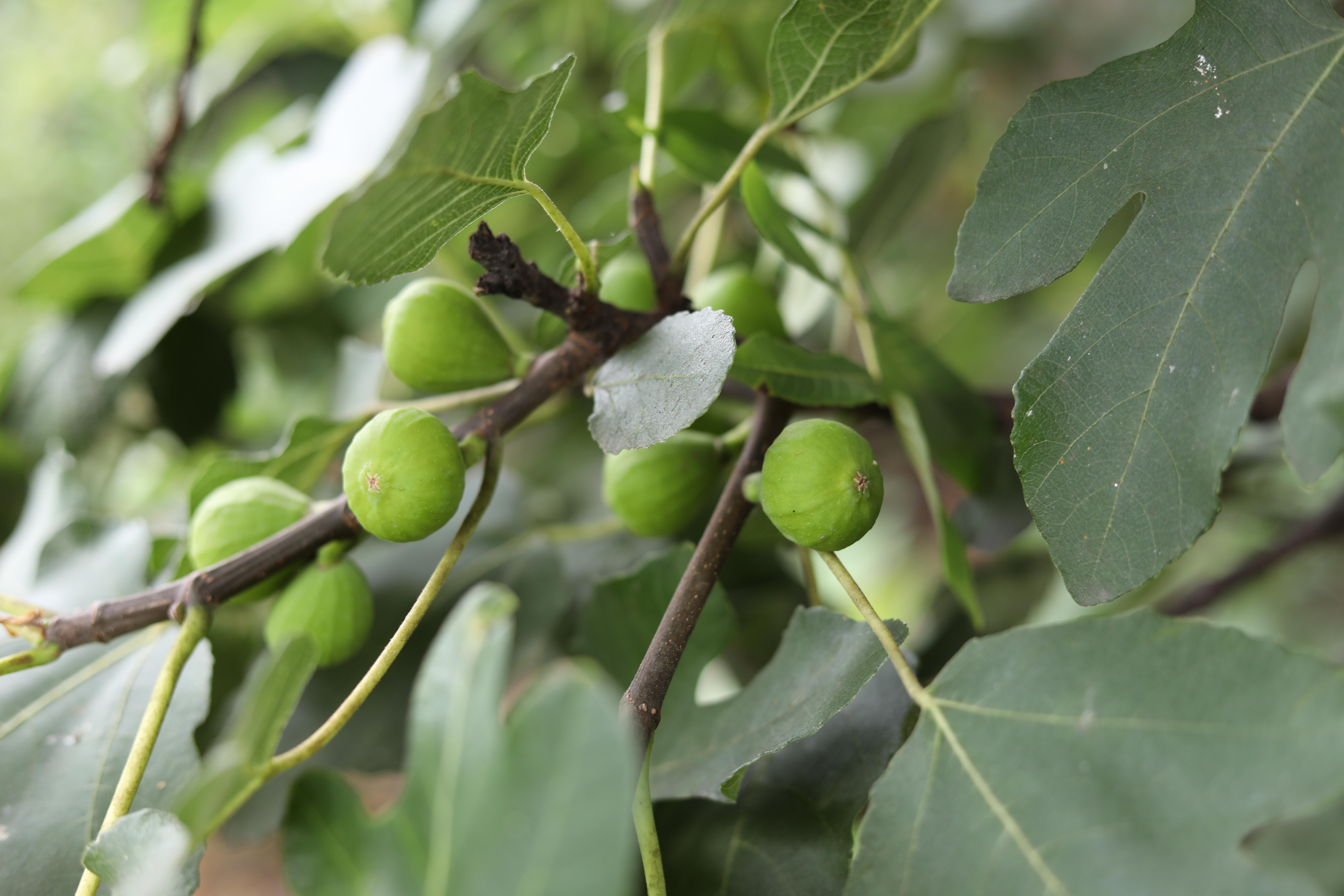
Global FEWture Alliance
Climate change, population growth, and urbanization are crippling global food, energy, and water (FEW) systems and harming public health. Low-income communities and people of color bear the heaviest burdens. With support from the University of Maryland Grand Challenges Institutional grant, the Global FEWture Alliance will scale technology-based solutions, community-driven capacity building, and experiential education focused at the food-energy-water-climate-health nexus.
2022 - Present
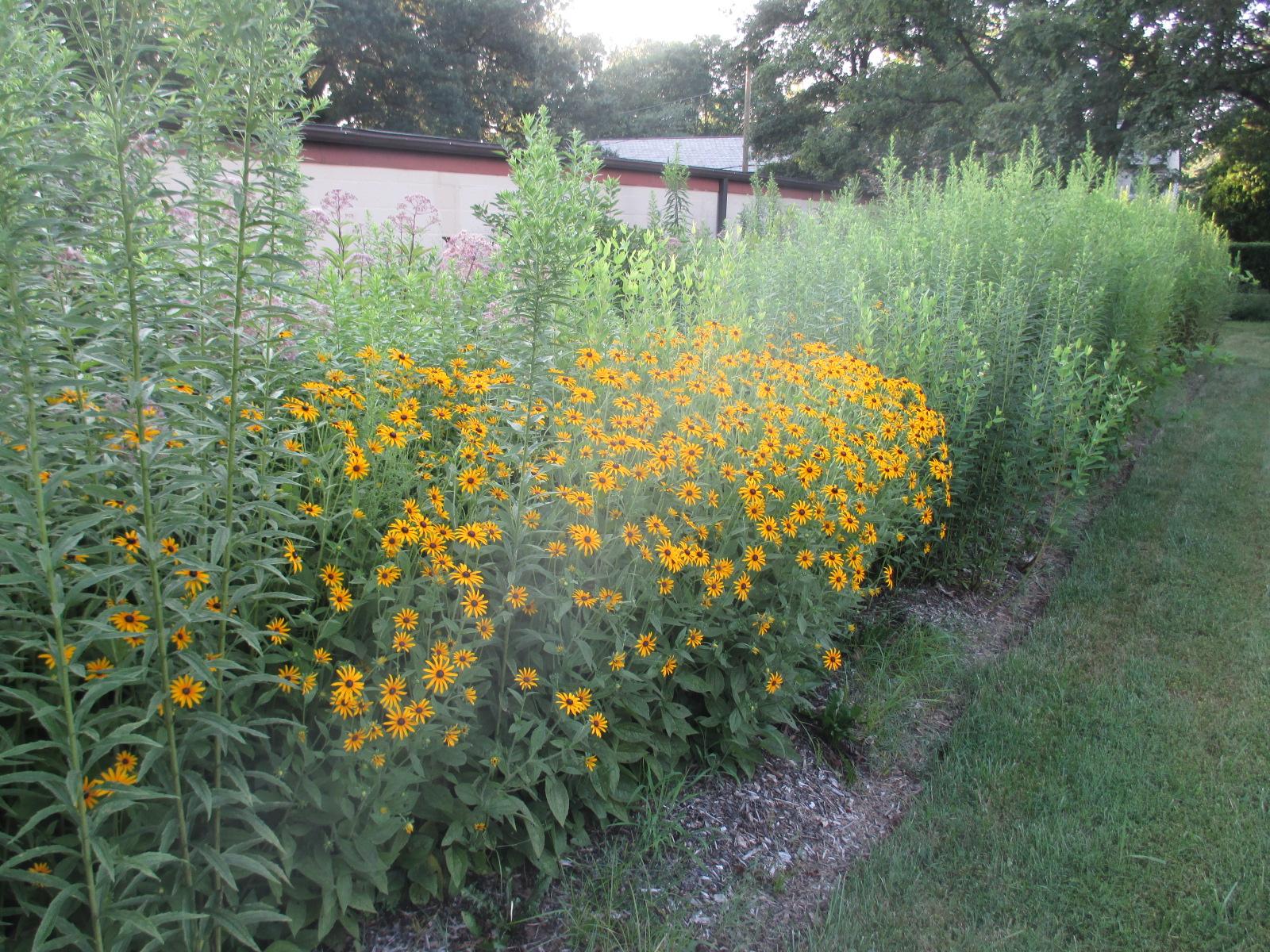
BMP Maintenance in Charles County
Stormwater management is important. But how do we gain buy-in from private property owners? EFC is partnering with Charles County, MD, to map the environmental resources available in the County in order to increase connectivity between private property owners and the entities that can help them meet their stormwater management goals. The team is also developing an education and outreach plan designed to reach all homeowners with rain gardens and porous pavement.
2022 - Present
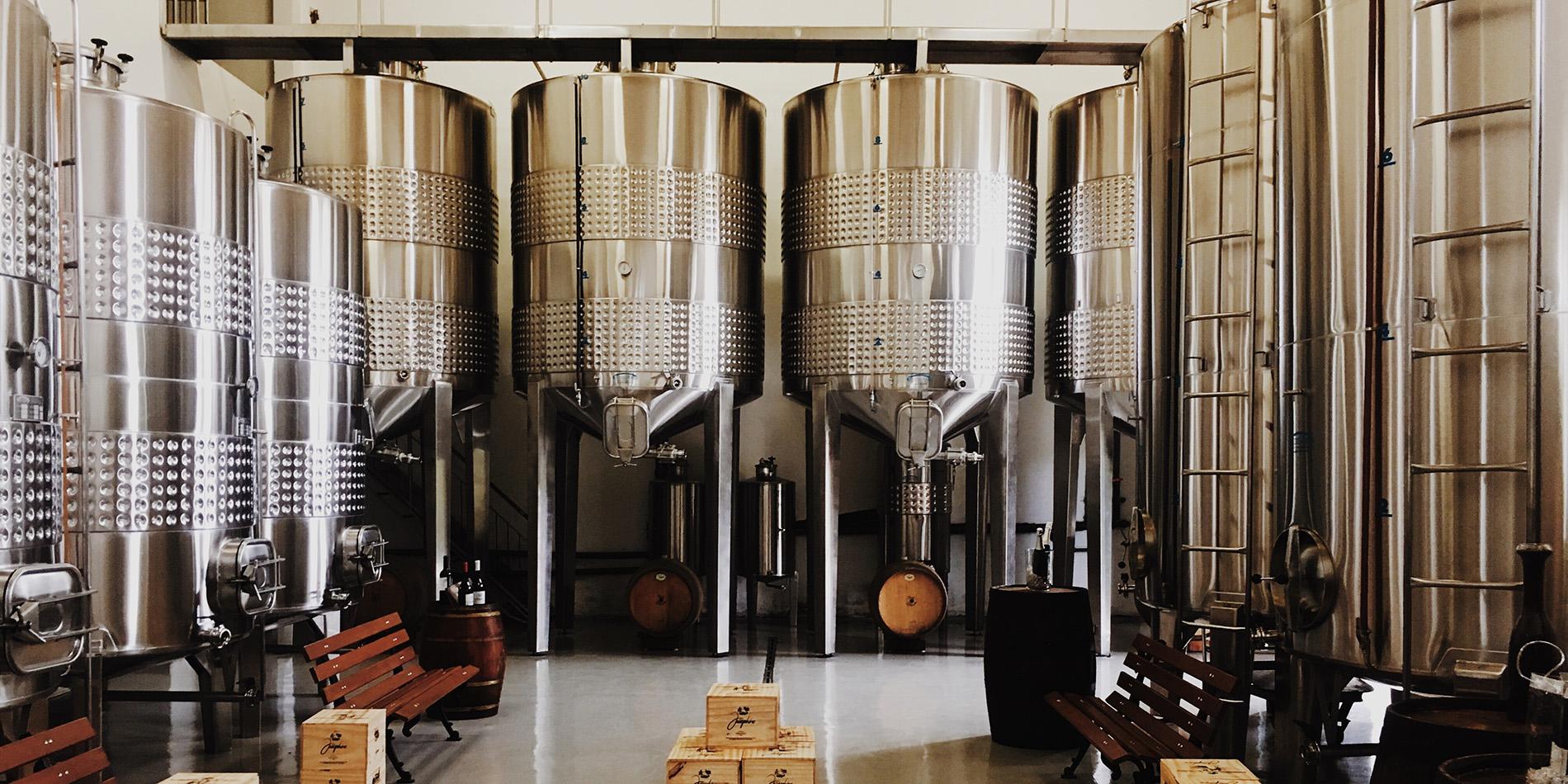
Mid-Atlantic Sustainable Breweries
BetterBev Mid-Atlantic works with craft breweries in Delaware, Maryland, and southeastern Pennsylvania to help them assess operations and implement conservation and efficiency practices. This program is housed at the University of Maryland Environmental Finance Center and funded by a US EPA Pollution Prevention grant. We offer:
2023 - Present
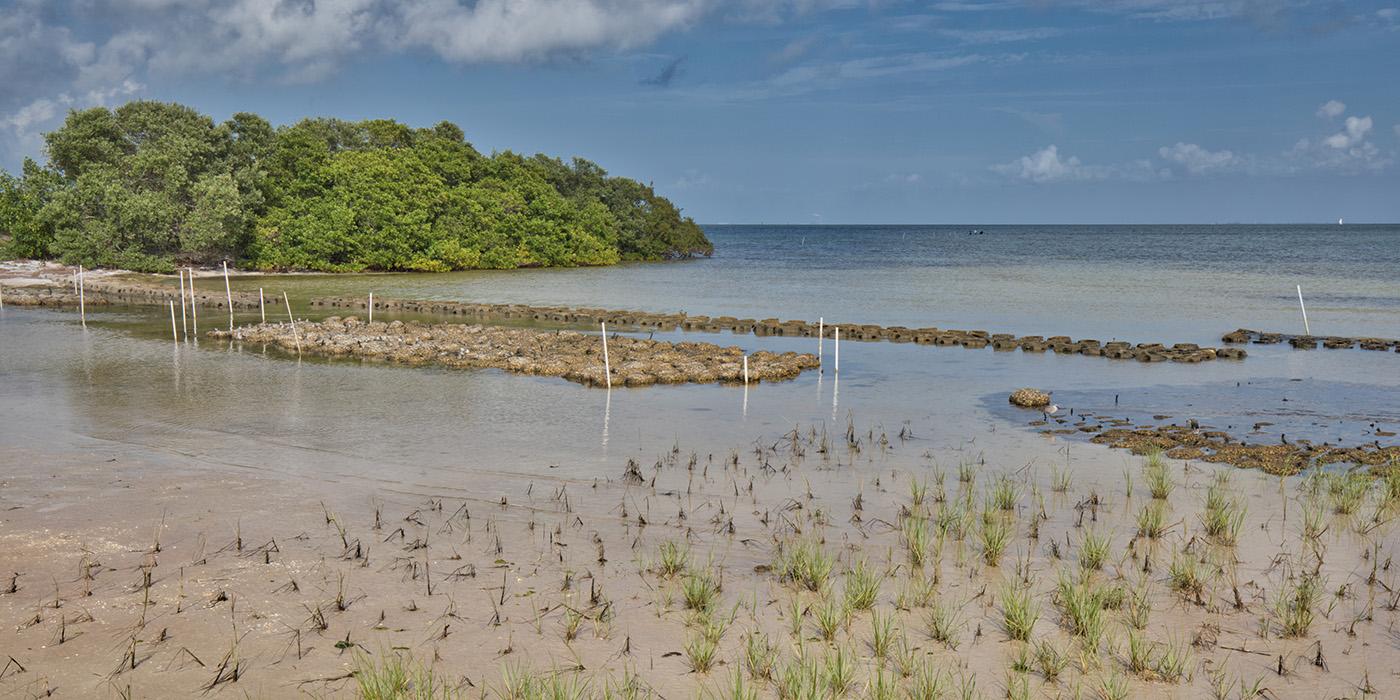
Designing a Resilience Action Plan for Maryland’s Coastal Communities
As Maryland’s coastal communities face increasing climate threats, including rising sea levels and severe storms, this initiative aims to strengthen the resilience of eight vulnerable coastal jurisdictions. The project focuses on addressing climate-related hazards through nature-based solutions (NBS) and enhancing fish and wildlife habitats.