
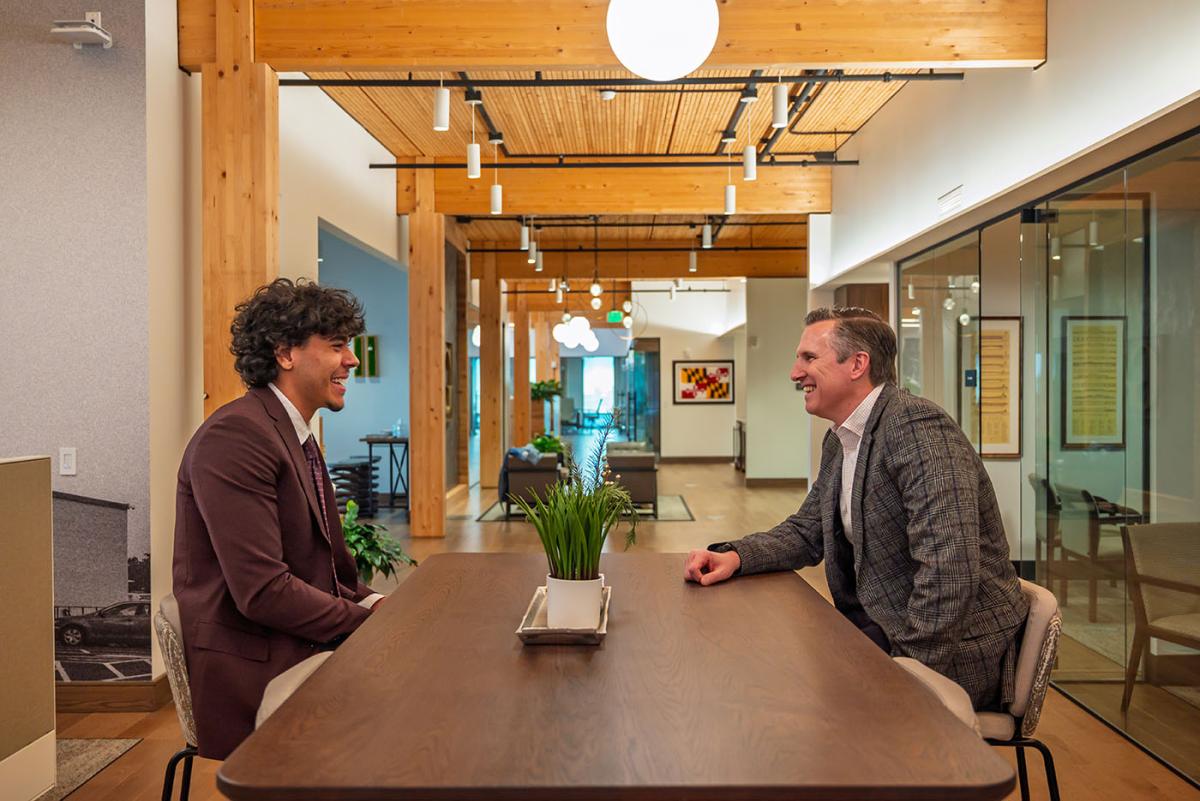
When Eric Walter ‘04 MRED ‘10 was first breaking into real estate development after graduating from the University of Maryland, the prevailing response he heard from recruiters was, “You’re never going to get hired.”
This was probably not the story that Elliot Genus ‘26, who graduates from UMD this month, was hoping to hear. The real estate development major was eager to sit down for a conversation with Walter—who is now president of Greenberg Gibbons, one of the region’s most prominent development firms—on the cusp of his next chapter to learn about Walter’s journey, the secret to his success, and maybe get a little advice.
What he learned was that Walter’s path was initially riddled with obstacles—from lacking the right experience and connections to a discouraging job search after the 2008 financial crisis.
“If you're uncomfortable with uncertainty, this is not a career for you,” he said to Genus.
But Walter’s story is far from a cautionary tale; rather, it offers a roadmap for letting the values that define you drive your success. Sitting in Greenberg Gibbons' sunny offices just north of Baltimore, Walter and Genus touched on the power of perseverance and the mercy of small breaks, the hard truth about soft skills, and the standards that deliver good work—and a great career.
This interview has been edited for length and clarity.
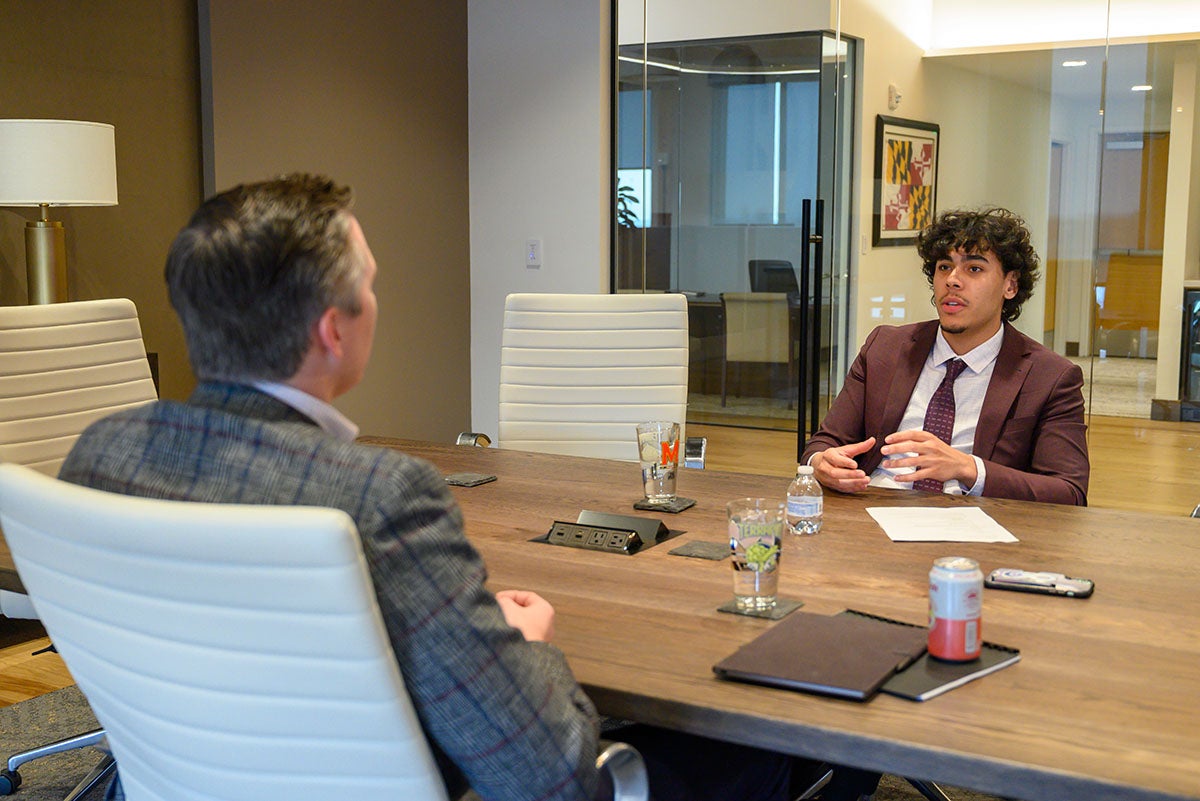
EG:It seems like your early career required a lot of humility and resilience; you hit a lot of roadblocks just even breaking into the job market. How did you navigate adversity in your early career?
EW: If you have a positive attitude and you believe in yourself, you eventually find how to get to a “yes”. One of the things that we try to push as a company that I need to get better at is enjoying the journey—recognizing and appreciating the wins. There are always things that don’t go well, always balls in the air. But there's also wins, and you should stop and pause and reflect on them. But when you're in it, attitude helps—because when you're getting told no, attitude is what’s going to push you to figure it out.
It was very hard for me to get a job after college because I had no resume, and I wasn't very good at necessarily selling myself. I had gotten one internship at the end of college in Minneapolis with the help of my aunt, and while there was an opportunity to work with that company, I wanted to move back to the east coast. My college roommate helped me get an interview for my first job out of school. Years later, I asked the person who hired me why he picked me. And he said, “Eric, you were jumping across the table to show me the project that you worked on for the summer. The fact that you were that excited to show off what you did made me want to bet on you.”
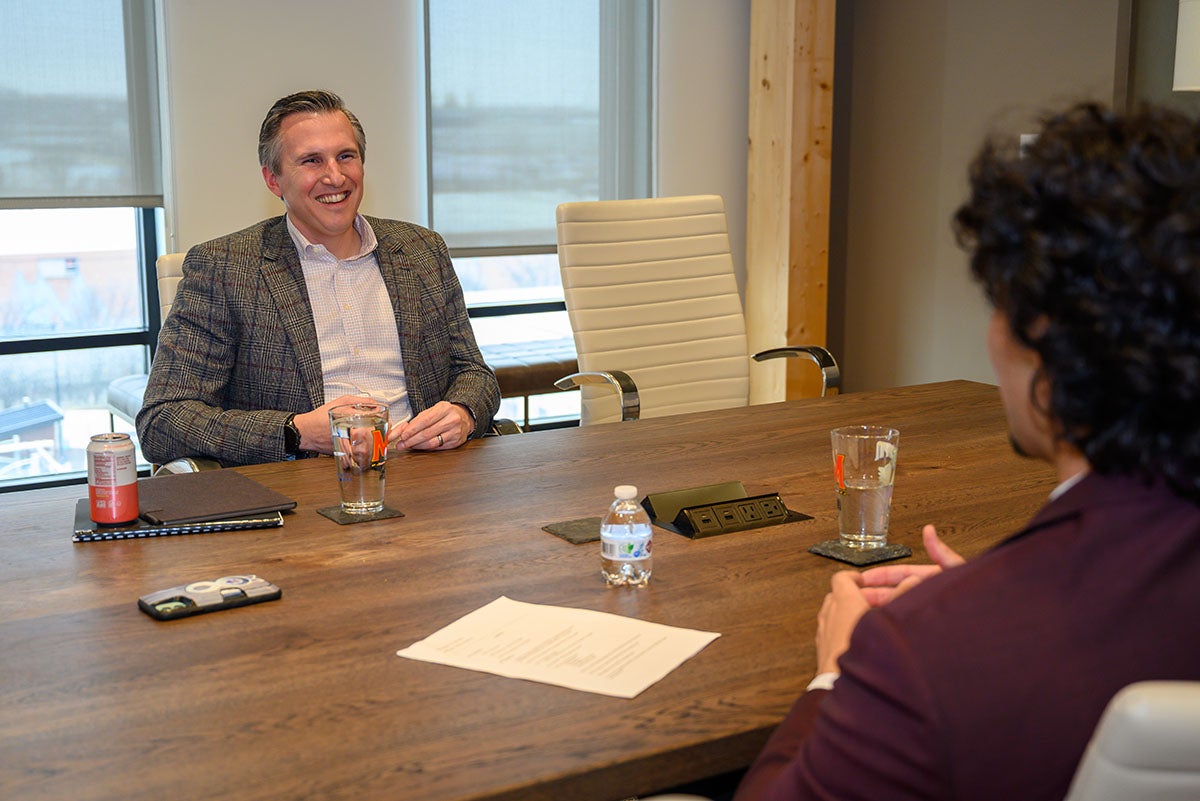
People that have had success may not necessarily always admit it, but there's also definitely luck. I happened to start graduate school at the same time this one professor [who helped me pivot my career] was teaching, and he wasn’t there a year later.
EG: I received a piece of advice from a mentor in the industry: A good real estate developer has to be comfortable with ambiguity and a congenital optimist. When you talked about having so many balls up in the air, I think that ties to the concept of being comfortable with ambiguity. So how do you feel during those moments? There's so much that can go wrong.
EW: It's so hard. We have a lot of projects that we’re trying to get over the finish line, and it's just constant uncertainty. And part of it is that your hair goes gray. But if you have perseverance and you approach deals as an opportunity for a win-win, more likely than not you will get a good solution. Not everybody negotiates like that. Some people need to win all the time, and that's not going to always end well. That relationship won't form because that person's not going to want to do business with you again. So we try to find a solution that's positive for both sides. But yeah, if you're uncomfortable with uncertainty, this is not a career for you.
EG: I think that in this business specifically, there are so many technical skills that you can master, but I think what makes or breaks a lot of people's experiences, a deal, or a career overall are some of those soft skills. What do you think was the number one quality that allowed you to keep going, keep progressing, keep learning, and get to where you are now?
EW: The feeling of not wanting to lose or let people [that have believed in me] down. I always want to get better if something doesn't go right. “Why did that happen? How do I want to make sure that doesn't happen again?” It’s just a constant drive to get better. So when we lose out on a shopping center to someone else, it drives me nuts. I want to know why they were chosen. How do we make sure that we don't lose next time? Why is our investor telling us that they don't want to do this deal with us? What do they see that we don't see? I think the resilience and the “never give up” attitude and not wanting to let people down.
EG: As a student driving up to Baltimore and walking into your office, very candidly, you're at a point professionally that so many people are working towards. You mentioned always wanting to get better. In your leadership position, and with so much experience, how do you define success now and looking forward?
EW: When I became the head of acquisitions, I was working across all the departments; it made me really proficient in all the aspects of this business, but I never had a team underneath me. Being given the opportunity to be president of the company, where now everybody is flowing up through me, it's a completely different job. And the only way to get better is with time. I read a lot of books. I try to be a better leader as fast as I can because the definition of success from this point going forward is not me doing the work. It's developing the systems, teaching and training the team, setting ambitious goals, course correcting, and hopefully enabling others to maximize their potential. We're not going to get to where we want to get if I feel like I have to do everything, I have to be able to rely on others. So my job's completely different than it was before, and I'm still learning what it means to be great at that.
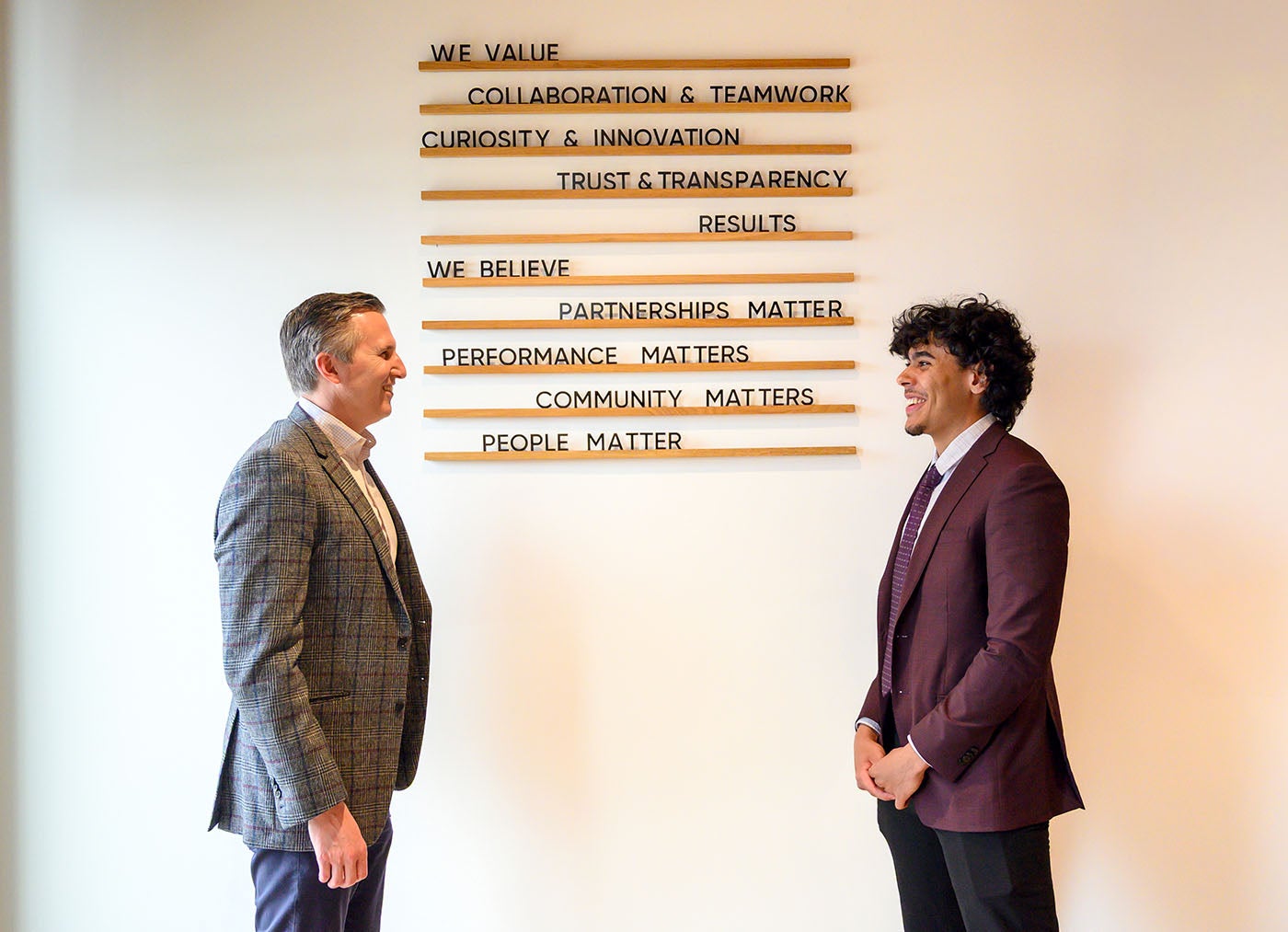
EG: If there's one piece of advice that you have for a young adult breaking into their career, what would it be?
EW: From what I can tell, students your age today seem to want to develop and get better, take some risks, and push themselves. But one of the things that is important for you to think about in your career is that your peers get you promoted. If you always have to be right, if you always want to win every argument, or you want to take credit for all the wins of a team, that team is not going to want to work with you. If you're the boss of that company and you hear, “Put Elliott on my project. I love working with him,” Elliot’s getting promoted. I think a lot of people think that if they shine a light on themselves, that's going to help them get promoted. Nope. Leadership is listening to what everybody else has to say—and if everybody else loves working with a person, then you want to keep that person around.