
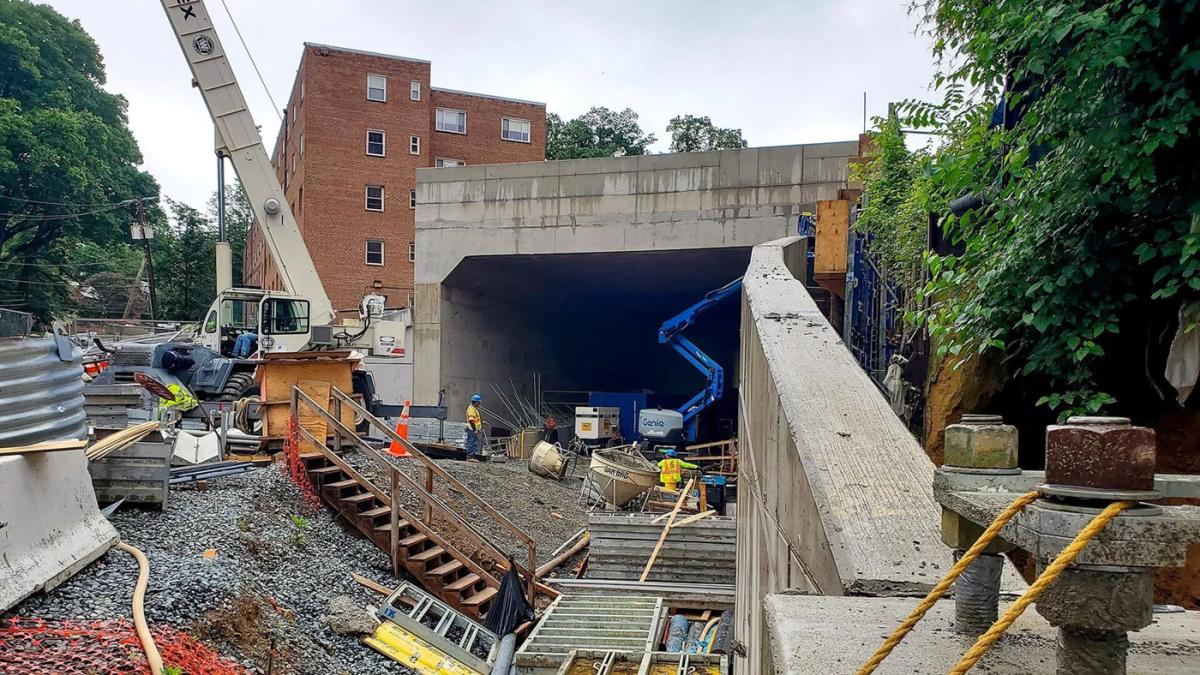
UMD AI Study Aims to Ensure Transit Options Don’t Create One-Way Ticket to Rising Rents
Written by Katherine ShaverAs construction on the light-rail Purple Line continues between Montgomery and Prince George’s counties, University of Maryland researchers are helping to ensure that lower-income renters can continue living close enough to share in its benefits.Researchers at UMD’s Nation...
University of Maryland Launches Forward: The University of Maryland Campaign for the Fearless
The largest fundraising campaign in the university’s history aims to elevate interdisciplinary initiatives and build on momentum as a Top 20 public institution. The $2.5 billion initiative advances the university’s vision and values by expanding access to its world-class education, accelerating grou...
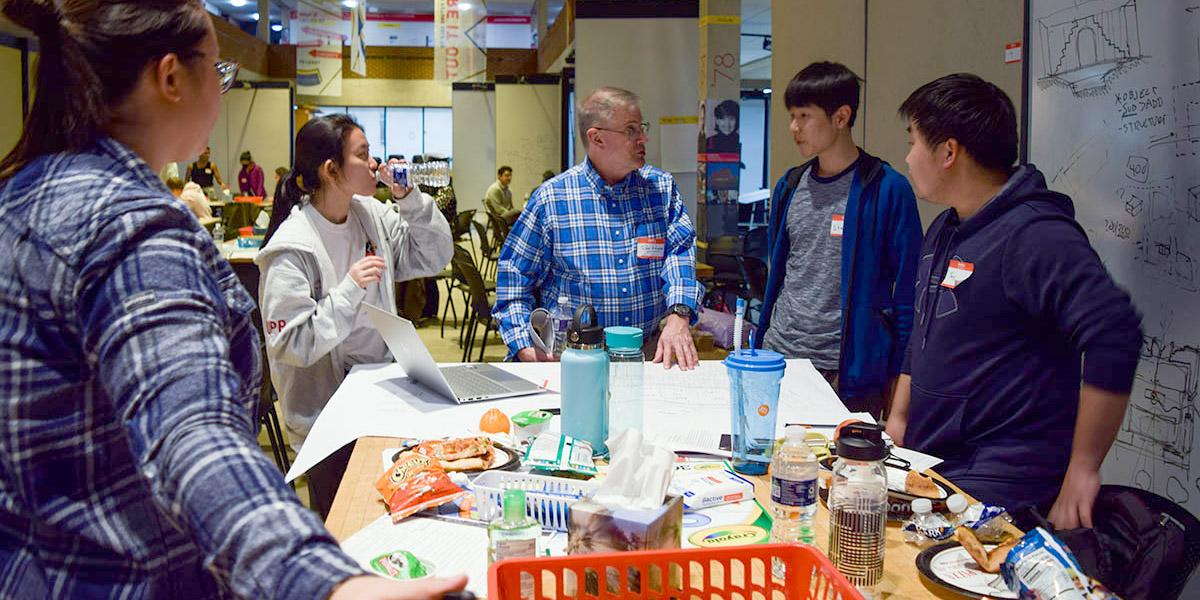
PlaceHack 2026
February 6, 5:00 p.m - February 7, 5:30 p.m.
This event is open to undergraduate students from the University of Maryland.PlaceHack challenges student teams to rethink a place-based problem in College Park or on UMD’s campus—an underused space, a dangerous intersection, a parking lot—and conceive something new. Creativity, teamwork and pizza c...
2026-02-06T12:00:00
2026-02-07T12:00:00
2007 (December 1)
Establishment of a Chesapeake Finance Commission
In 2004, the Chesapeake Bay Watershed Blue Ribbon Finance Panel issued a comprehensive analysis of the sources of impairments to the Bay's water quality and living resources, the costs to remove those impairments, and a series of recommendations to finance those costs. This report proposes institutional changes for the regional Bay Program to help all participating states with ongoing information about funding needs and opportunities.Attachments

2023 - Present
Equitable Landscaping - Green Infrastructure Training for Latino Landscape Professionals
The Equitable Landscaping project focuses on providing culturally appropriate, Spanish-language training on stormwater runoff and green infrastructure skills to first-generation, Spanish-speaking Latino landscapers in the Chesapeake Bay Watershed. This project aims to address the lack of specialized training certificates available for Latino landscapers in the region, empowering these underrepresented and under-resourced professionals to gain knowledge and skills crucial to sustainable landscaping.
2015 (September)
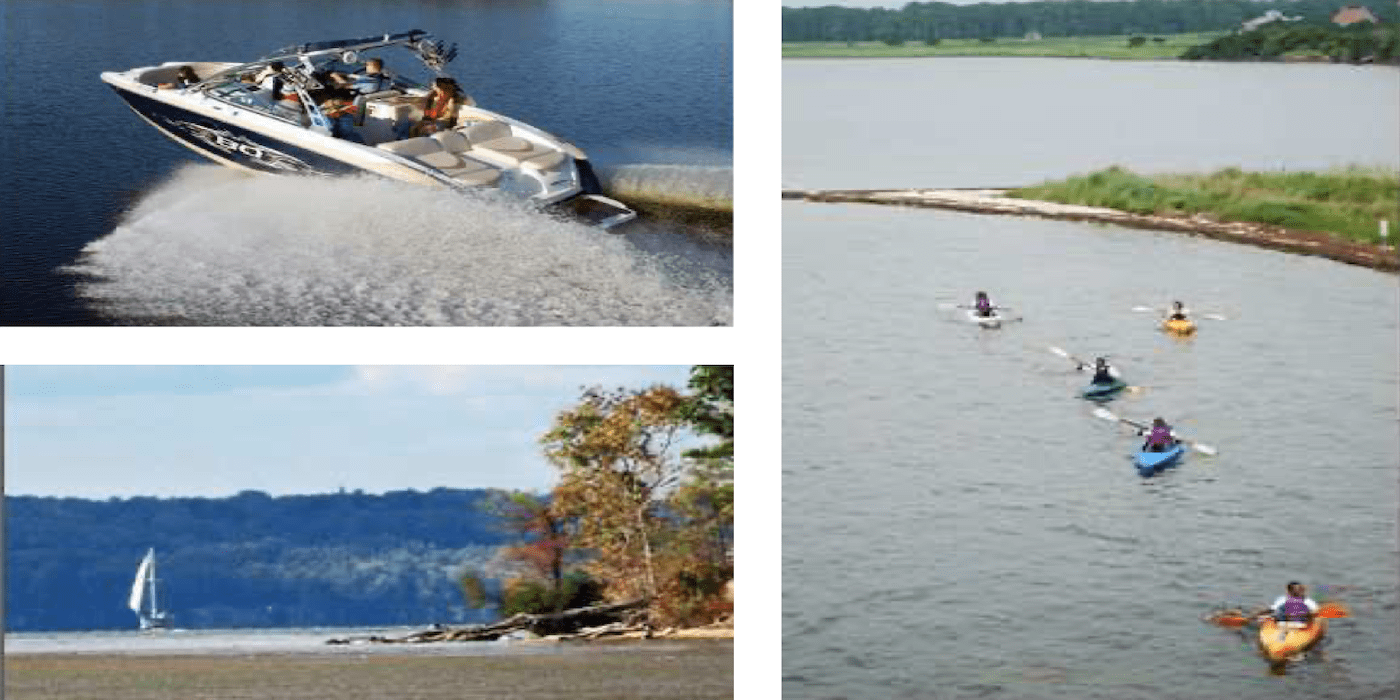
Enhancing Boating in Maryland: Task Force
Recreational boating represents $2.2 billion in economic impact and over 20,000 jobs to the State of Maryland. As the word “recreational” suggests, boating is a discretionary expense and as such, boating is inextricably linked to the state of the economy both nationally and here in Maryland. During the economic downturn from 2009 through 2013, there were two disturbing trends in boating in the State: a reduction of 14,000 boats registered in Maryland and a 50% reduction in revenue to the Waterway Improvement Fund (WIF).
2013 (January)
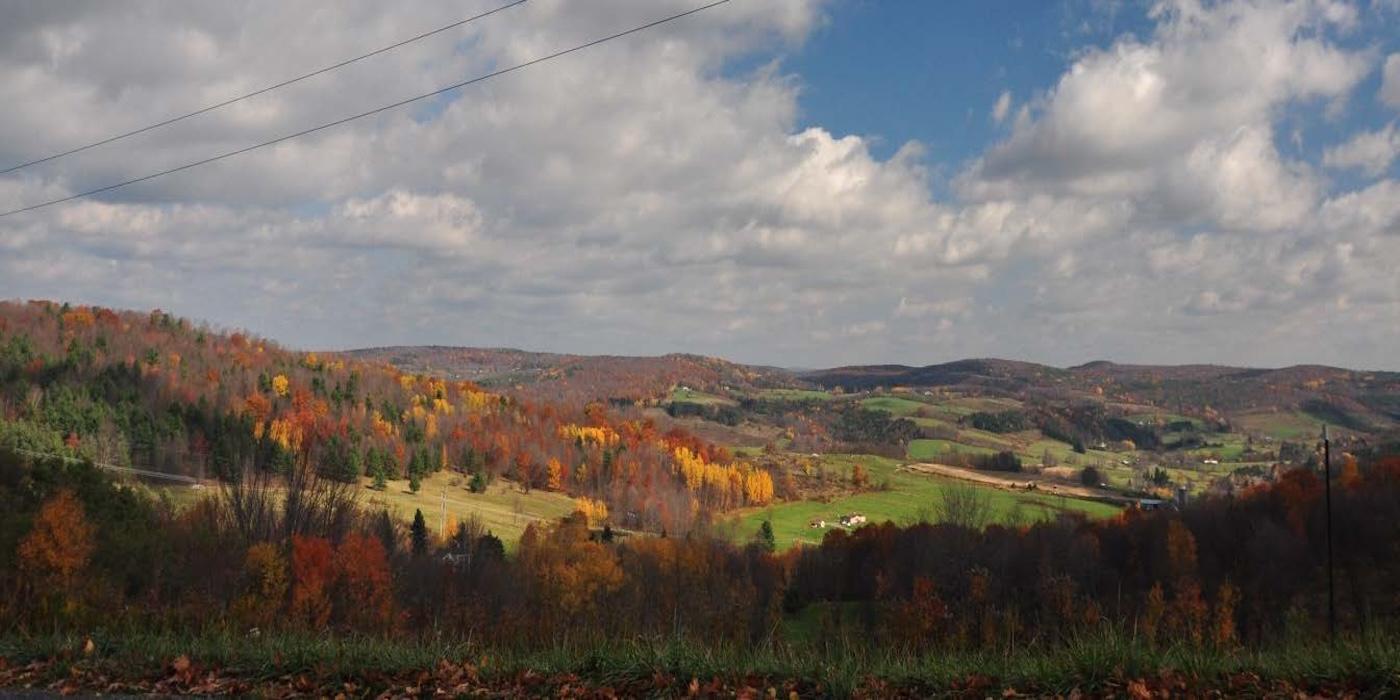
Encouraging Efficient Green Infrastructure Investment
There are currently dozens of policies, funding, and technical assistance programs at the federal level designed to support the implementation of green infrastructure or its components. While this level of interest and support for using natural systems to address environmental, social, and economic goals is important, the multitude of opportunities can make it difficult, if not overwhelming, for communities to piece together effective green infrastructure implementation and financing strategies.
2014
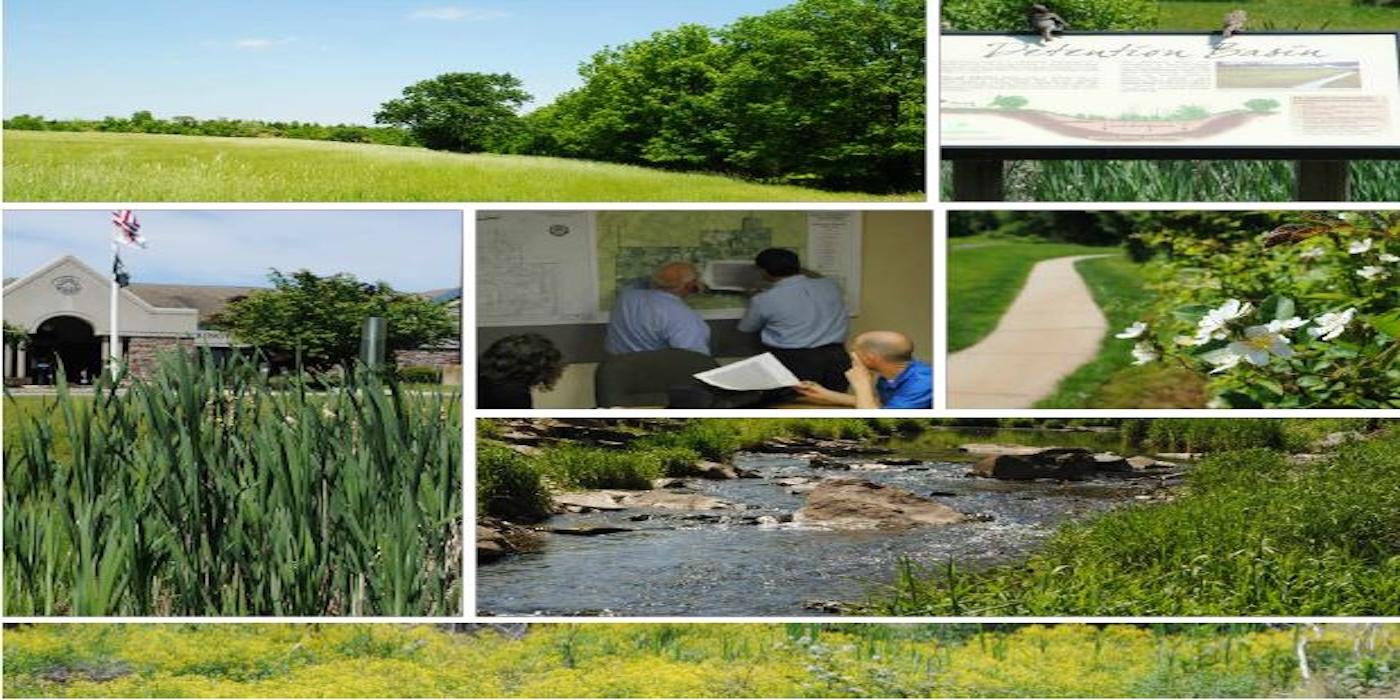
A Green Infrastructure Approach to Leveraging Local Priorities in Warrington Township, Pennsylvania
In this final report, the EFC provided a set of recommendations to the Township, including identifying and prioritizing funding sources for the Township, developing partnerships with existing local organizations, and integrating green infrastructure into land conservation planning and project site design. Attachments