
Marccus Hendricks Named to 2026-27 Class of Harvard Radcliffe Fellows
Undergraduate Students
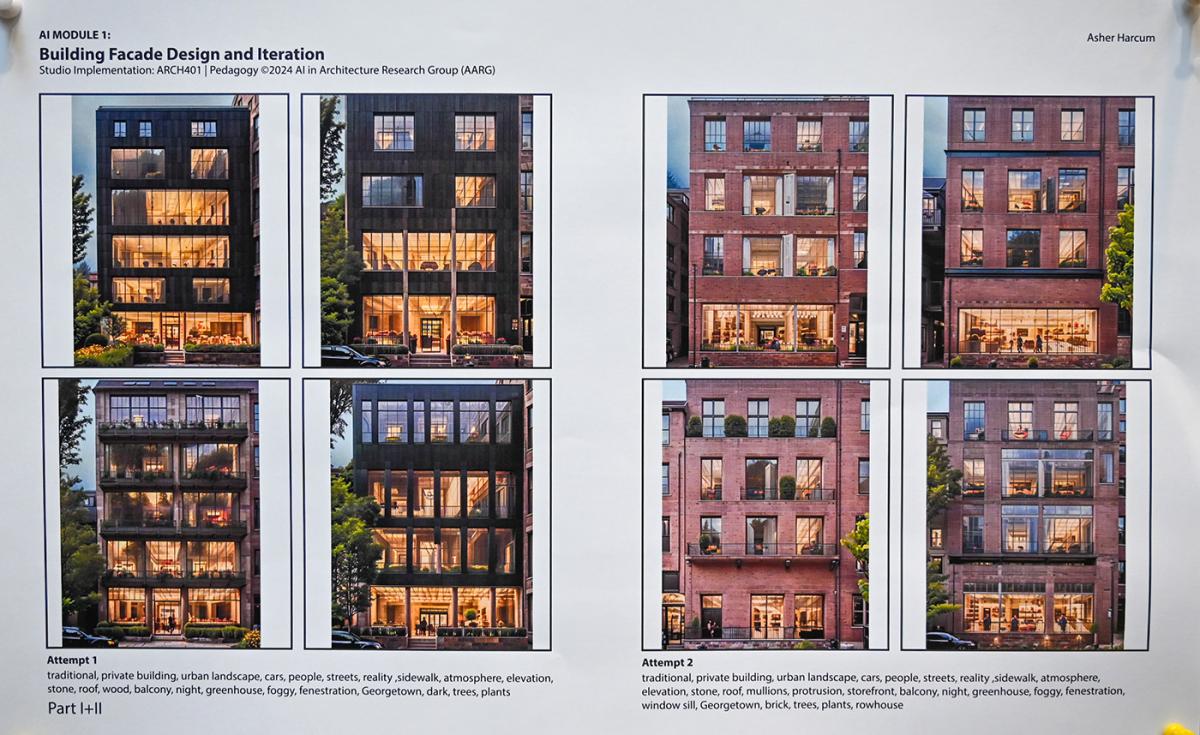
University of Maryland Launches AI in Architecture Minor

Experiential Learning Program Gets a Boost to Do (More) Good
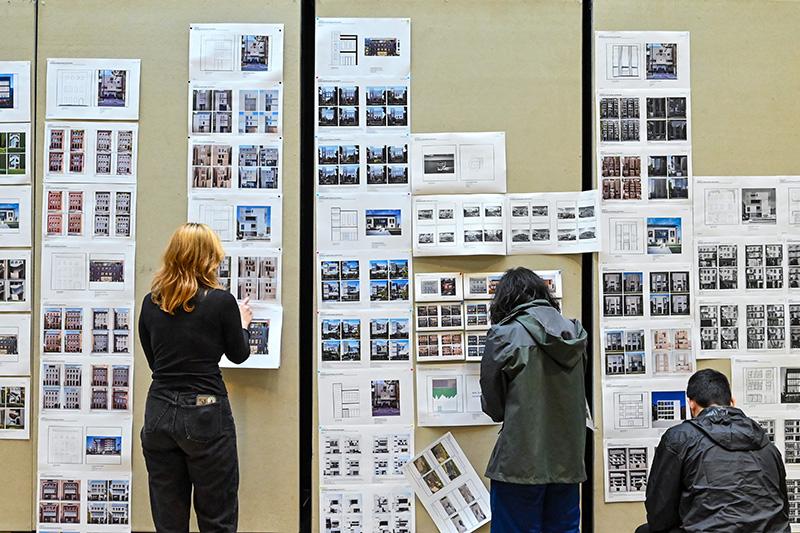
15 Proposals for AI-Focused Courses Awarded New Grants
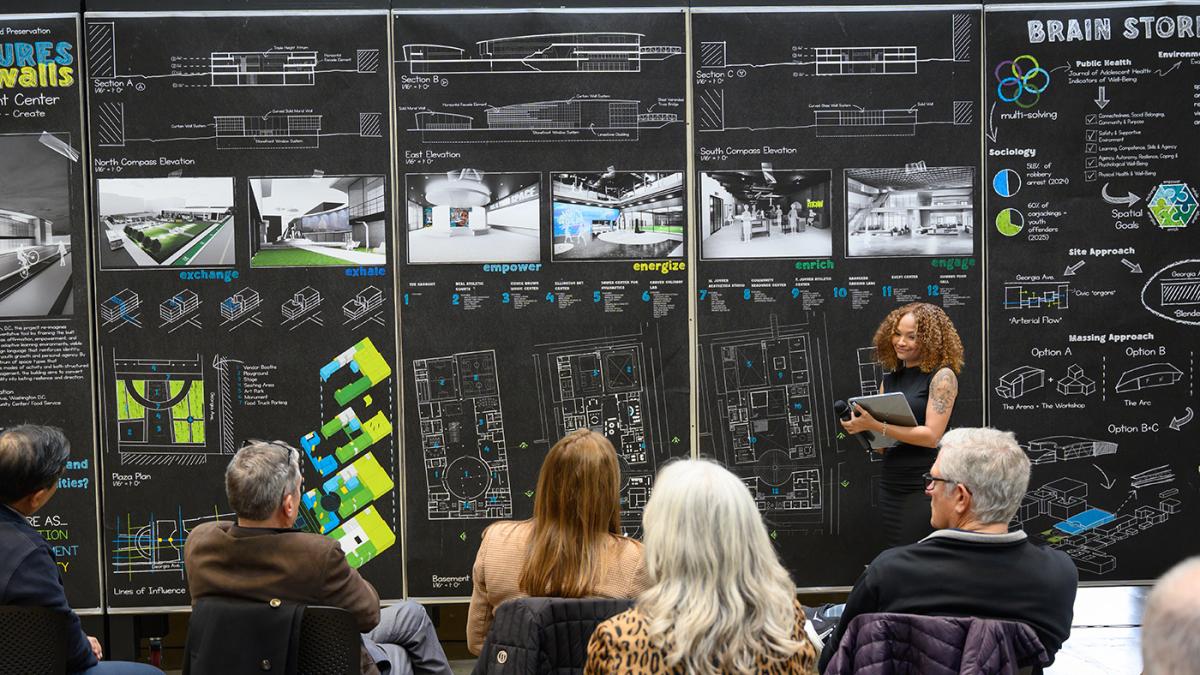
Architecture Thesis Spring 2026
Spring 2026 Master of Architecture Thesis Presentations ScheduleSchedule with Invited Guests | Lucid BoardMonday, May 11Morning live stream sessions: Youtube | Facebook9 a.m.: Adriana Hammond - War Wounds: Historic Preservation and Phenomenological Implications for the Rebuilding of Ukraine10 a.m...

UMD Wins NAIOP 2026 Capital Challenge
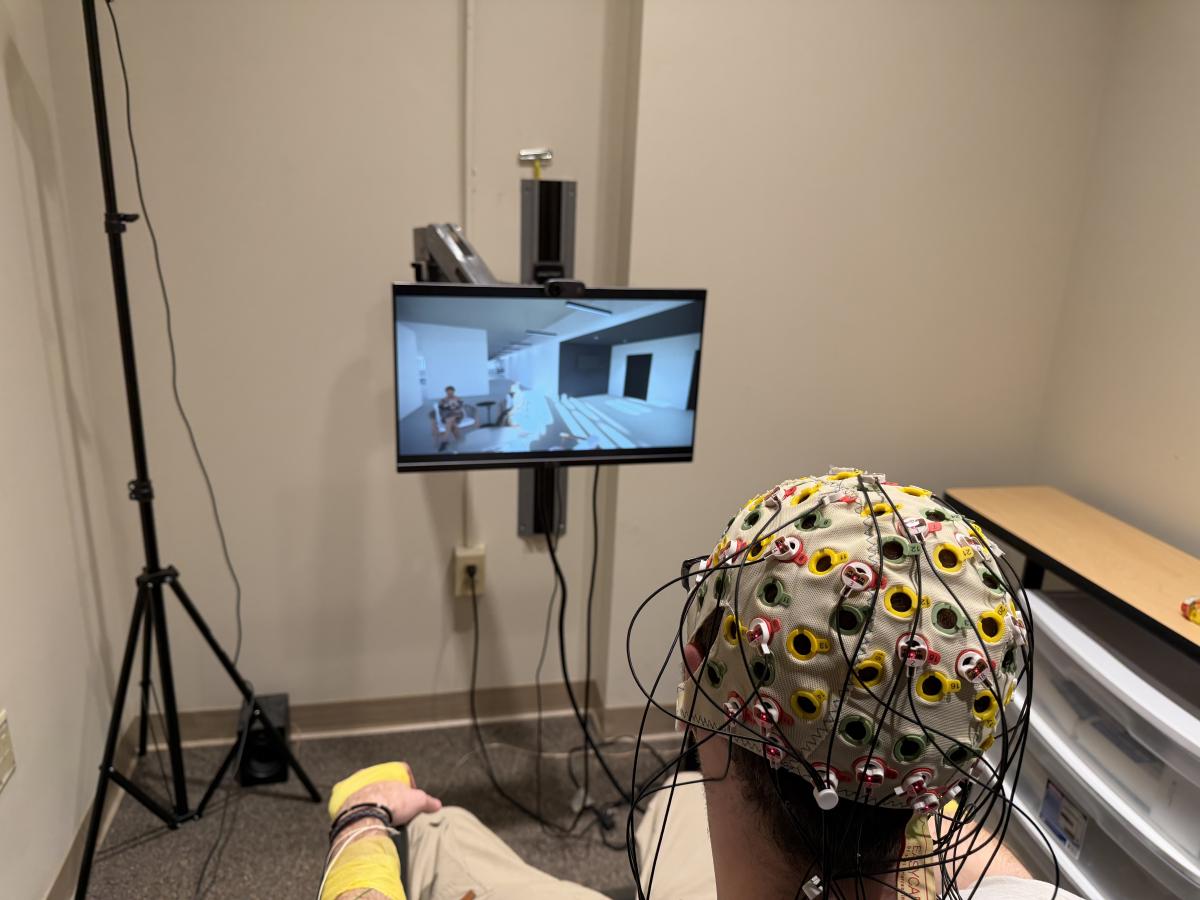
Is Healthy Building Design all in Your Head?
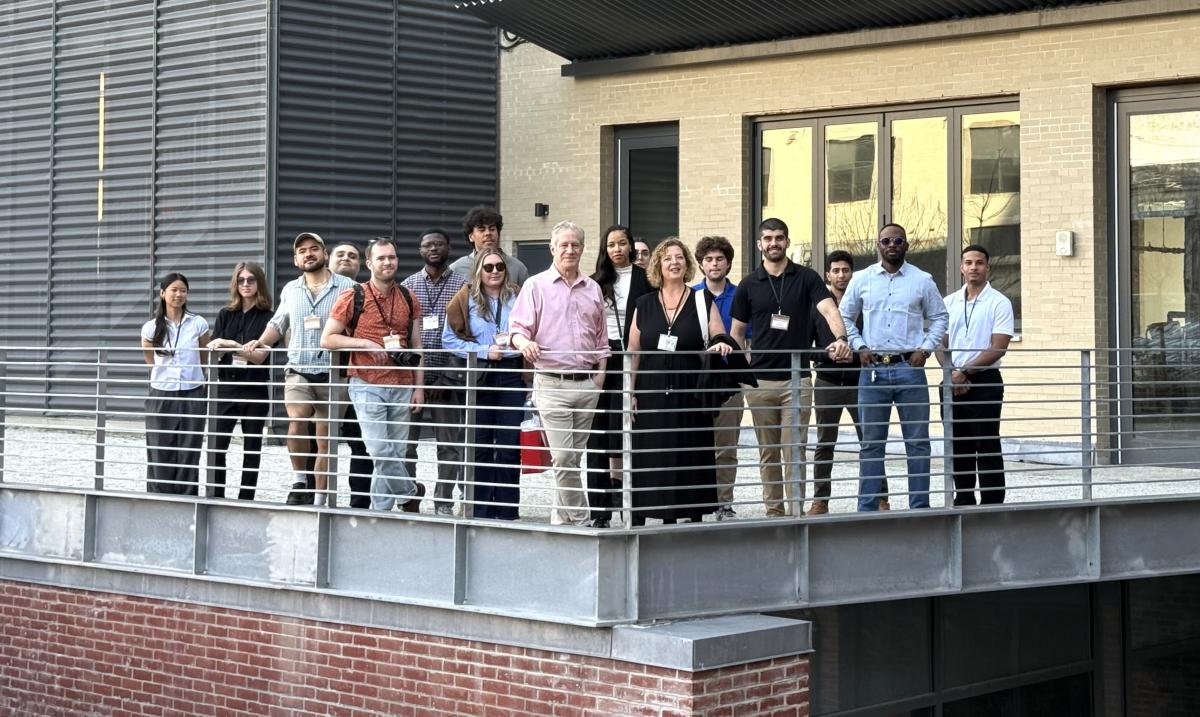
Restoring Community to a Little-Known Part of Gotham
You may already be interacting with AI every time you enter a building — through smart climate systems, occupancy sensors, predictive lighting or security platforms. The built environment — buildings, infrastructure, transportation systems and public spaces — is humanity's most immediate, tangible and large-scale point of encounter with artificial intelligence. Architects who understand this are not simply adapting to change. They are positioned to shape it.