

MAPP News

MAPP Announces the 2023 Architecture Scholarship-Internship Winners
Six talented graduate-level architecture students have been awarded scholarship-internship opportunities in the Baltimore/Washington, D.C., area through the generous support of partner firms Ayers Saint Gross, Design Collective, David M. Schwarz Architects, Gensler, Torti Gallas + Partners and WDG. ...View Article Details for MAPP Announces the 2023 Architecture Scholarship-Internship Winners 
New Seed Grants Sow Interdisciplinary Research Between MAPP, School of Public Health
This story appeared on the School of Public Health website. Written by Allison Leigh Eatough. The University of Maryland School of Architecture, Planning and Preservation (MAPP) and the School of Public Health (SPH) announced today the awardees of their inaugural Healthy Places Seed Grants - a fundi...View Article Details for New Seed Grants Sow Interdisciplinary Research Between MAPP, School of Public Health 
Rents Already Rising Along Purple Line, UMD Study Finds
Trains on Maryland’s Purple Line won’t begin service for at least another two years, but according to a new University of Maryland study, some residents living along the future transit corridor began seeing spikes in rent just after construction shovels broke ground.Published this month in Internati...View Article Details for Rents Already Rising Along Purple Line, UMD Study Finds 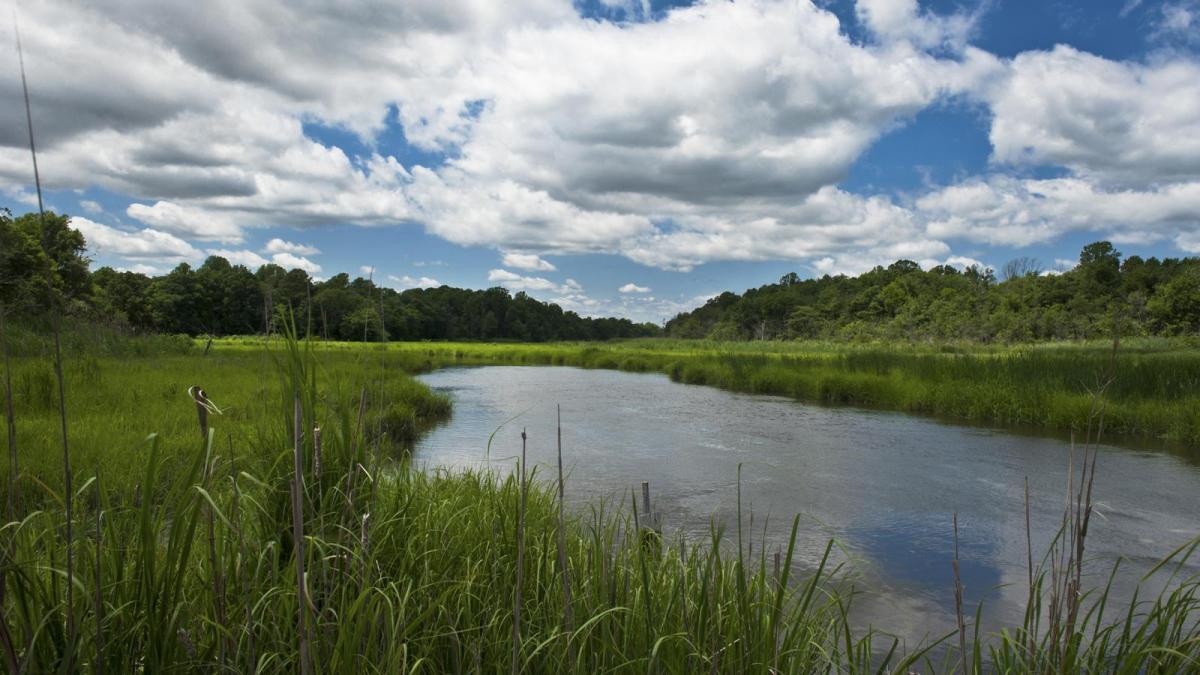
Recent EFC reports support investment in natural resources important to local economies
The Mispillion River and Cedar Creeks drain to the Delaware Bay in Kent and Sussex County Delaware. The vast marshes connecting them are part of an international flyway for migrating birds and a horseshoe crab sanctuary, which brings tourist dollars to the area and secures land value for residents. ...View Article Details for Recent EFC reports support investment in natural resources important to local economies 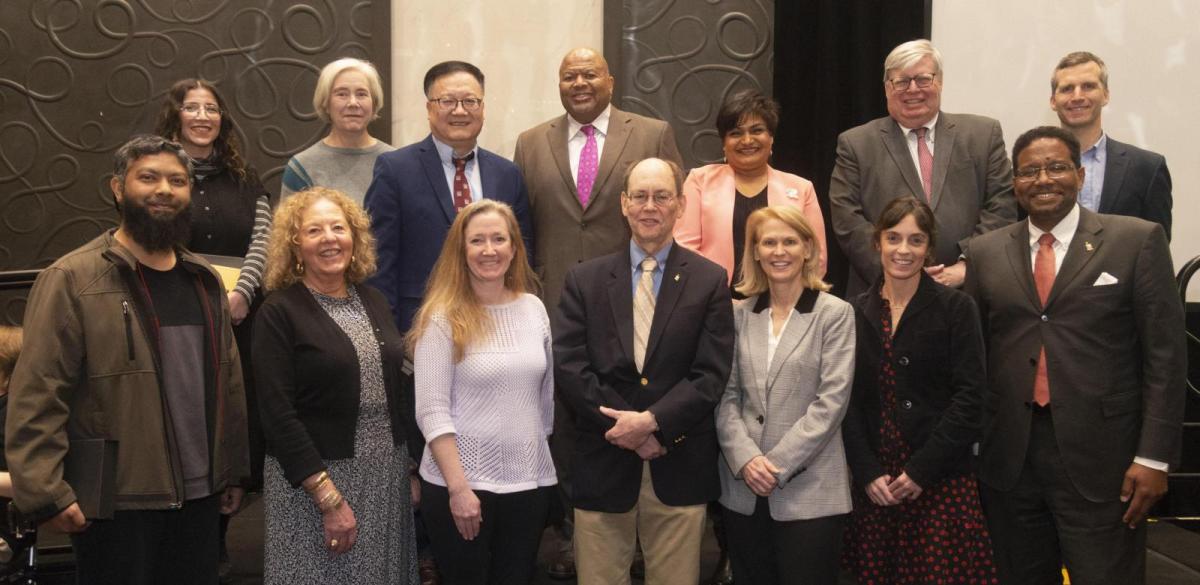
EFC Director Honored at 2023 Maryland Research Excellence Celebration
More than 200 University of Maryland faculty scholars and researchers were honored on March 28 at the 2023 Maryland Research Excellence Celebration.The event, held at the Hotel at the University of Maryland and co-hosted by Senior Vice President and Provost Jennifer King Rice and Vice President for ...View Article Details for EFC Director Honored at 2023 Maryland Research Excellence Celebration 
What Lies Beneath Dupont Circle
This story appeared in Maryland TodayIt’s hard to imagine that the raucous activity (and raging traffic) of Washington, D.C.’s Dupont Circle could be rivaled by what’s happening just under its sidewalks. But what was once the city’s first underground trolley station (and later, a much-maligned food ...View Article Details for What Lies Beneath Dupont Circle