
Spring 2026 Dean's List
Name
Adams, Jacob Michael
Adamu, Tesnim
Adkins, Grace Jane
Adzannur, Emmy Cevyra
Al-Azawi, Maryam A
Alexander, Kevin
Allanach, Zachary Logan
Almeida, Katherine Elizabeth
Altman Farrell, Isabelle June
Amam, Ashay Lung Ke-Bing
Andres, Luis Daniel
Antezana, Emanol Alessandro
Arevalo, Yessenia Rocio
Arrowood, Elizabeth Kidder
Baker, Ashley Yuengling
Barake, Alexandra Marie
Barre, Alyssa Abdi
Bartholomew, Mia Isabella
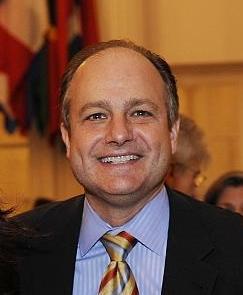
William Bonstra Endowment to Provide Need-based Student Support through New Terpstart Program
Bill Bonstra, FAIA (B.ARCH ’83) has spent his career as an architect seeking to enrich people’s lives through thoughtful design, a philosophy he has extended to his relationship with the School of Architecture, Planning and Preservation for over 30 years. This past month, Bonstra, who has supported ...

Ariel Bierbaum Receives Research Grant from Spencer Foundation
MAPP is proud to announce that Ariel Bierbaum, along with her team of three other researchers, has secured $50,000 in research grant funding from the Spencer Foundation’s Small Research Grants Program. The grant will allow continuing work into the socioeconomic impact of public school closures in Ph...

Inspiring the Profession through Experience – The Thomas L. Schumacher Memorial Endowment
Towards the end of a difficult spring semester in 1985, Chris McCabe (B.S. Architecture ’85, M.ARCH ’87) was at a crossroads. Having studied architecture at UMD for four years, she was uncertain as to whether she had the talent and confidence needed to tackle the Master’s program in architecture. Fo...

First Annual Colvin Case Study Challenge
The Colvin Institute at the University of Maryland is proud to announce the 1st Annual Colvin Case Study Challenge. The Challenge is a national real estate paper competition, where projects are judged on the depth of understanding of markets, project valuation, finance, urban design, entitlement pr...
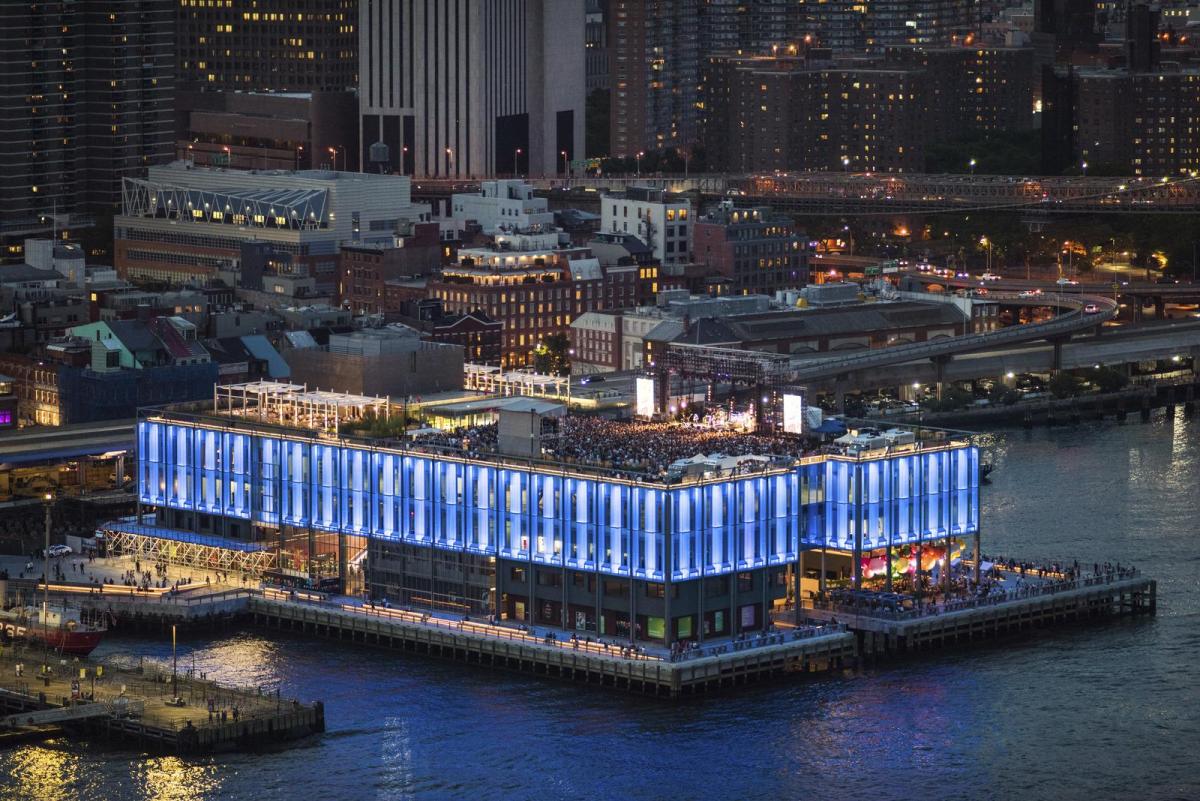
2022 Kea Professor Corie Sharples on Designing Skylines, Re-Thinking Construction and Revisiting Old Haunts
Of all the iconic places conceived by SHoP Architects along New York City’s skyline, the one that gives Founding Principal Corie Sharples ‘87 the most satisfaction is the place she once vowed never to return: South Street Seaport’s Pier 17, a slice of Manhattan’s East River Waterfront that once hous...

National Conference on Small Business Anti-Displacement Finds Strength in Numbers
When James Beard Award-winning cookbook author Grace Young was asked to reflect on the best meal she ate last week, her mind gravitated to Hop Lee, a longstanding Cantonese restaurant in the heart of New York’s Chinatown. On any given weekday, its pastel dining room bustles with teachers, postal wor...
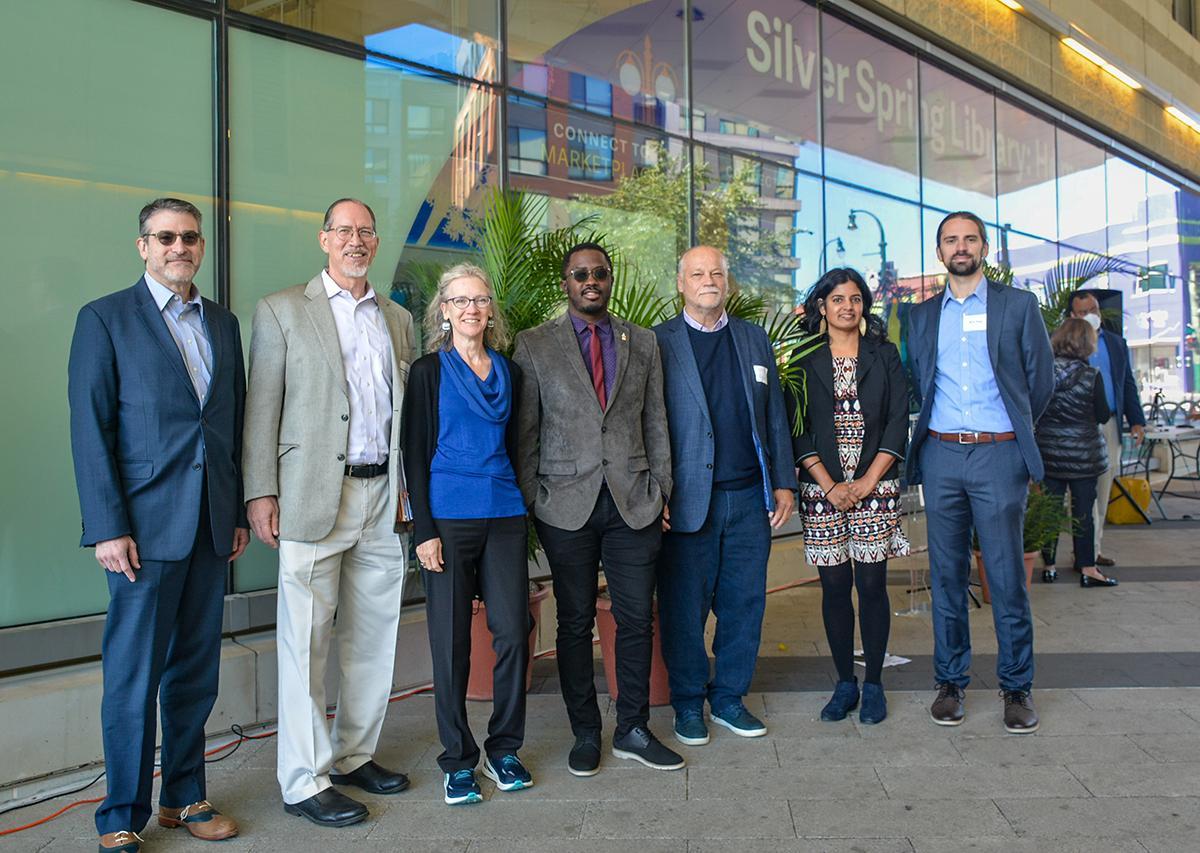
UMD-Led Report Pushes Strategies for Affordable Housing, Trail Access Along Purple Line Corridor
New affordable housing near transit stops, improved pedestrian safety and small business preservation along the coming Purple Line are needed to protect and strengthen the surrounding communities, according to a new report released Wednesday to federal, state and local stakeholders by the Purple Lin...
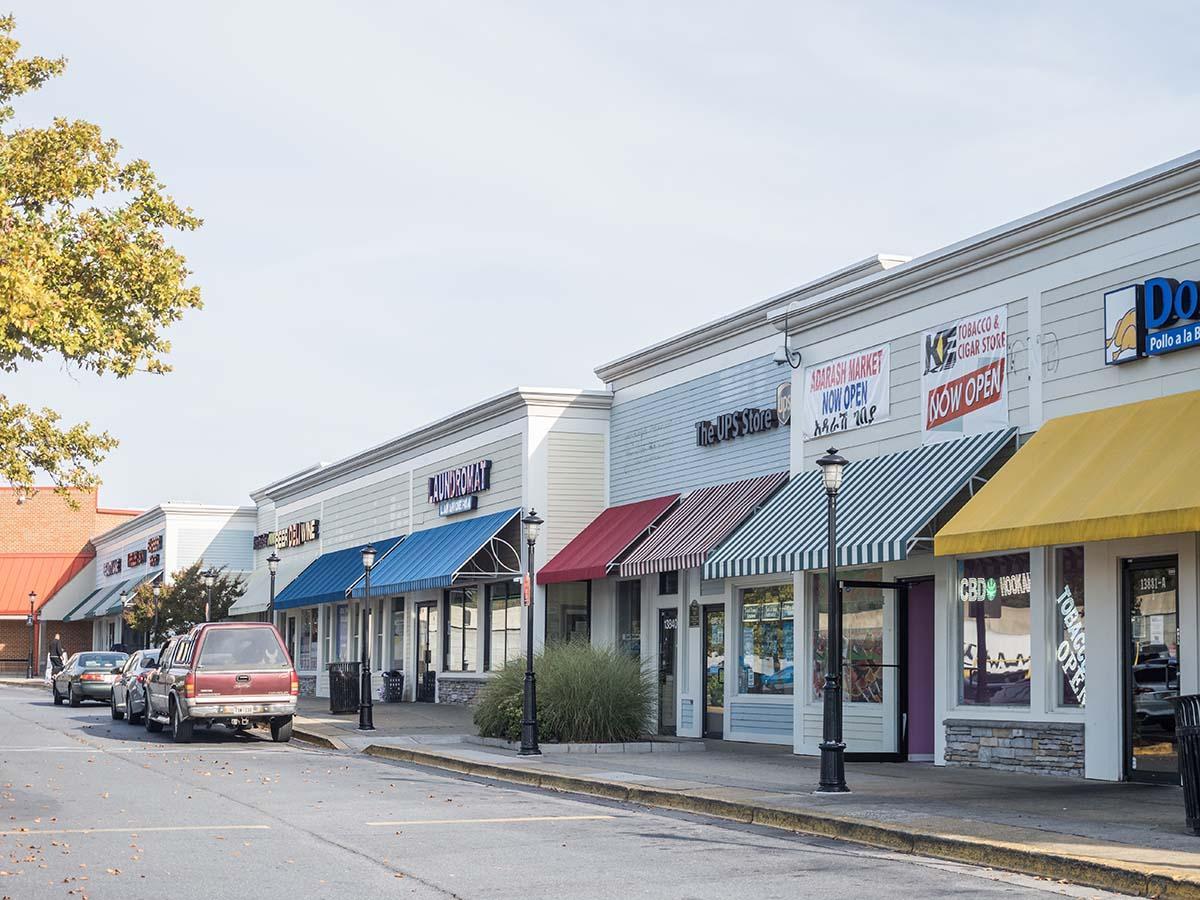
A Future Worth Planning: Joint Studio Identifies Strategies for Ensuring a Just, Sustainable Montgomery County Community
One of the most challenging roles an urban planner must play is that of a soothsayer: prognosticating the future of a community in the face of almost impossibly unpredictable forces like climate change, the economy or a pandemic. But a fall studio by urban planning and historic preservation students...
Planning Students, PLCC Earn Accolades at Maryland Sustainable Growth Awards
A Fall 2021 urban planning studio that used scenario planning to chart a thriving, sustainable future for one Montgomery County community and a UMD-led initiative to bring sustainable, equitable growth along the Purple Line light rail corridor have been honored by the Maryland Department of Planning...