
Written by Katherine Shaver
Eastern Shore environmentalists hoping to lure more bees, hummingbirds and other pollinators to Salisbury, Md. just got $20,000 in help.
A new grant from the University of Maryland’s “greening” program will bring to the city gardens of native flowering plants where pollinators can find food and nesting space. Salisbury is one of eight Maryland cities and towns awarded $5,000 to $20,000 from Sustainable Maryland to help protect wildlife, combat climate change, and make the state more environmentally resilient.
“It’s important to be able to recreate these habitats wherever you can, whenever you can,” said Zack White, an associate planner for the City of Salisbury.
It’s the second year of grants awarded through the Sustainable Maryland program housed at UMD’s Environmental Finance Center in the School of Architecture, Planning and Preservation. The state funds the grants, which total between $100,000 and $120,000 annually, to support environmental efforts at a community level across Maryland.
Sustainable Maryland connects municipalities with funding opportunities, training, expertise and a tight-knit network of peer communities. Now in its15th year, the program has helped 60% of Maryland municipalities organize, fund and launch sustainability projects that have a profound economic, environmental and social impact—from migrating Hyattsville's police fleet to electric vehicles to installing 24 public art sculptures in Chestertown and a food waste collection program in Landover Hills.
The other latest grant winners are:
- University Park (Prince George’s County) - $20,000 to create a Community Learning Garden for residents and elementary school students
- Mount Airy (Carroll and Frederick counties) - $14,000 to install bat boxes and other wildlife habitat and expand environmental educational programs
- Emmitsburg (Frederick County) - $13,000 to expand and improve a community garden and hold public education workshops
- Chestertown (Kent County) - $10,500 to build pollinator and bird habitats
- Galena (Kent County) - $10,000 to install energy-efficient LED pathway lighting in Galena Community Park
- Forest Heights (Prince George’s County) - $7,500 to expand and enhance a community garden
- Eagle Harbor (Prince George’s County) - $5,000 to establish an organic community garden
While the grants are relatively small, the projects they fund can have a cumulative effect, said Sustainable Maryland Program Director Mike Hunninghake.
“Collectively, it all adds up to more sustainable counties, a more sustainable state, and a more sustainable planet,” Hunninghake said.
The money, he said, can be particularly helpful at a time when states, and in turn local governments, have recently lost much of the federal funding they’ve long counted on for help with environmental programs.
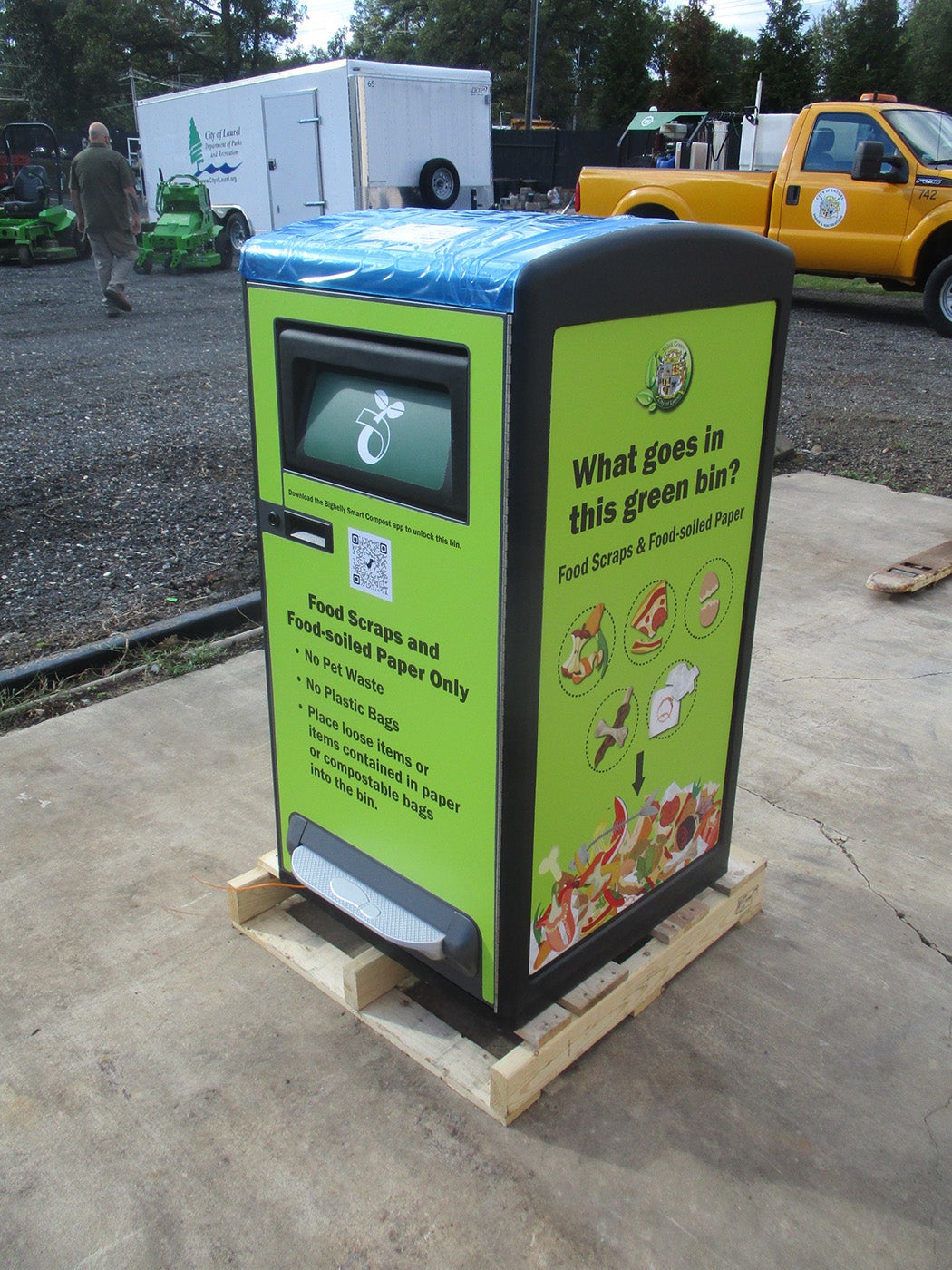
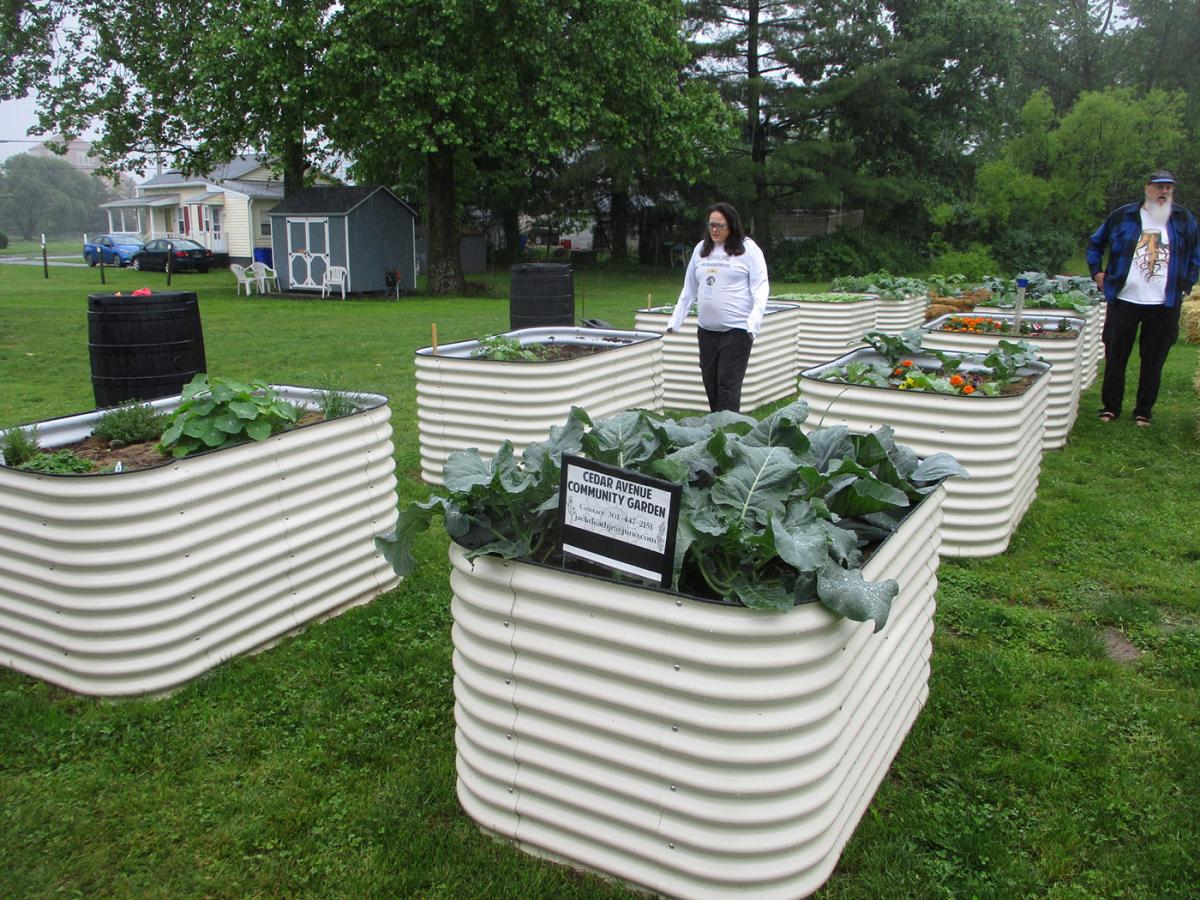
Previous winners have established compost drop-off sites, designed nature trails, added bike racks, and improved parks and community gardens.
Kristin Mielcarek, M.S. ‘06, a program manager for the Environmental Finance Center, said she was struck by the number of applicants seeking to get residents involved through hands-on work, such as by planting and tending a community garden.
“They're intended to really start at the grassroots level, to make an impact on their community in a meaningful way,” Mielcarek said. “I think it makes folks feel like they're part of change and part of the impact.”
Salisbury’s grant will pay for three to five pollinator gardens, as well as community planting days and other public outreach events to replace natural habitats often lost to development. Signs and educational materials will hopefully inspire residents to plant pollinator habitats in their own yards.
The city hopes the project, led by Salisbury’s advisory Green Team, will build on itself, White said, perhaps as other communities nearby come to appreciate the need to support their bees, butterflies and other pollinators.
“It’s a good starting point,” White said of the city’s expanding pollinator habitats. “You have to start somewhere.”