
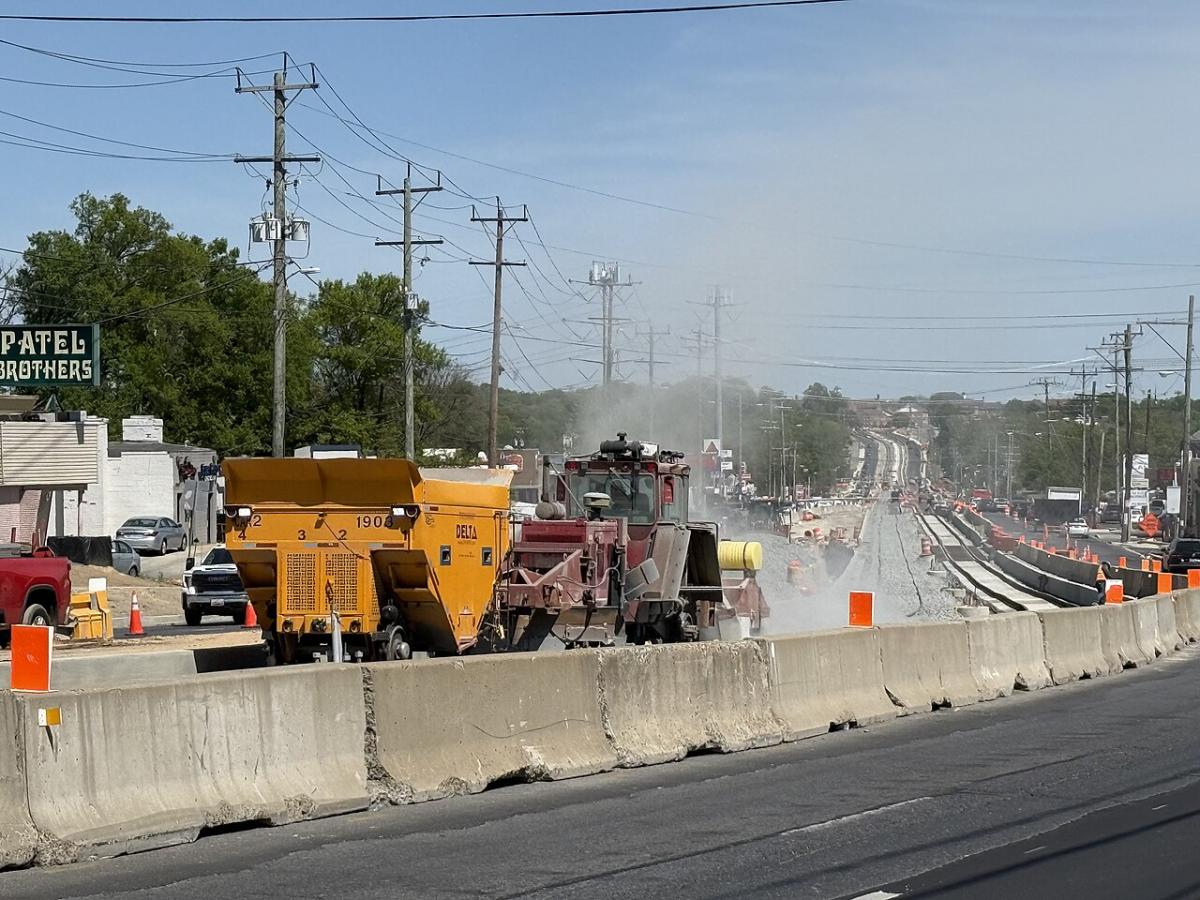
A $75,000 grant from the Metropolitan Washington Council of Governments (COG) will help researchers at the University of Maryland’s National Center for Smart Growth (NCSG) investigate methods for the redevelopment of affordable housing along the Purple Line Corridor. Awarded in partnership with Prince George’s and Montgomery Counties, the award funds the decade-long effort by NCSG and UMD’s Purple Line Corridor Coalition (PLCC) to push equitable and sustainable transit-oriented development along Maryland’s $10 billion light rail investment, which is slated to begin running in 2027.
The award, one of eight initiatives that address the region’s dearth of affordable and low-income housing, will help researchers continue their work identifying sustainable development opportunities at the intersection of available land, zoning capacity and real estate finance models.
The resulting data, said Kathryn Howell, director of the National Center for Smart Growth, can help developers and jurisdictions rethink transit-oriented housing stock and offers a resource for communities to advocate for affordable housing protections.
“This funding is integral in supporting the PLCC’s goals of development without displacement,” said Howell. “With projects of this size there are often two pathways: Do nothing or completely redevelop in a way that creates barriers to affordability. This will help us demonstrate that there is a third option.”
The grants were awarded through the Housing Affordability Planning Program (HAPP), which is financially supported through the Amazon Housing Fund. HAPP awards small, flexible grants up to $75,000 to area local governments or non-profit housing developers engaged in the planning, approval, or development of housing near transit stations.
The Purple Line light rail is Maryland’s first transit line to connect the spokes of the Washington Metropolitan Area Transit Authority system and represents one of the region’s biggest transit investments of the 21st century. It will connect several suburban communities and business districts across Montgomery and Prince Georges’ Counties, including five stops at or near the University of Maryland.
Last year, a $200,000 grant from the Department of Housing and Urban Development helped NCSG researchers predict which apartment properties within a mile of the 16-mile Purple Line corridor are most at risk of pricing out tenants if their rent rises significantly, as routinely occurs around new transit stations. Powered by artificial intelligence, the model can also predict which apartments are unstable—and at risk for replacement by high-end development—because of poor living conditions or a lack of investment.
Work stemming from the COG grant will add to this model; researchers will also work with University of Maryland Associate Professor Jesse Sagnior and Assistant Professor John Park to see what resources could be needed to add housing capacity and maintain affordability.
“The reality is there’s just not enough affordable housing in this region,” said Saginor. “We’re looking to take a balanced, comprehensive research approach to pinpoint existing resources and opportunities to promote development that offers housing for everyone.”