
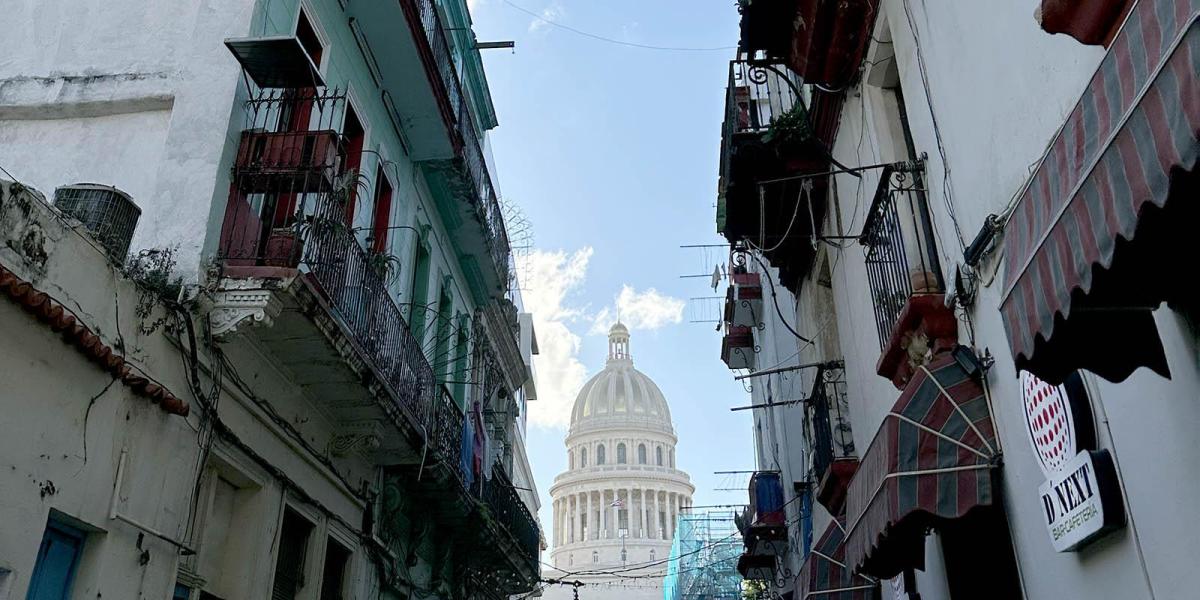
As University of Maryland architecture student Elena Poll walked through Havana, Cuba’s, stately capitol building, what struck her wasn’t the marble halls or its majestic dome, but what she saw in its shadow: faded, pastel facades of once glorious Spanish-style buildings, now crumbling in ruin.
The photo she snapped from the capitol’s windows joins a series of snapshots that, on its face, resembles an adventure-fueled trip abroad. But look closer, and you’ll discover a deeper commentary of a country’s resilient culture and people, a history shaped by over 60 years of communist rule and the enduring grip of a capitalist embargo.
In January, a dozen students explored the narrow streets and cobbled plazas of Havana, Cuba, to capture how the island’s economy, politics and culture are emulated in its eclectic architecture and urban fabric. Led by MAPP instructor Reemberto Rodriguez and Professor Gerrit Knaap, the trip was part of an interdisciplinary winter semester course, “Havana’s Art & Culture: The intersection of planning, architecture, preservation, and economics,” and the first study abroad trip to Cuba for the School of Architecture, Planning and Preservation. Fueled with perspectives from Cuban university faculty and local guides, the trip offered a case study of a city’s evolution and inertia, and how economics, preservation and urban planning intersect.
“One of the highlights of the journey was looking at Havana through the eyes of the 12 students in the course,” said Rodriguez, a Cuban native who came to the United States in 1966. “The beautiful combination of their naivety with their inquiring deep critical thinking and thoughtful questions taught me so much. “They saw so much more than I have ever seen by myself.”
In addition to daily reflections and lectures by Cuban professors, students were tasked with photographing aspects of Havana’s built environment—such as market stalls, street signs, sidewalks, and building facades—that constructed a compelling visual narrative and captured the city’s essence.
“One of my biggest takeaways from experiencing Havana is, if you are a designer or planner, you have to design for the people living in these spaces,” said Kenneth Wainaina, an international student who called Havana’s architecture “mind blowing.” “You must design with the future in mind.”
Below, students share takeaways from Havana, through the camera’s eye:
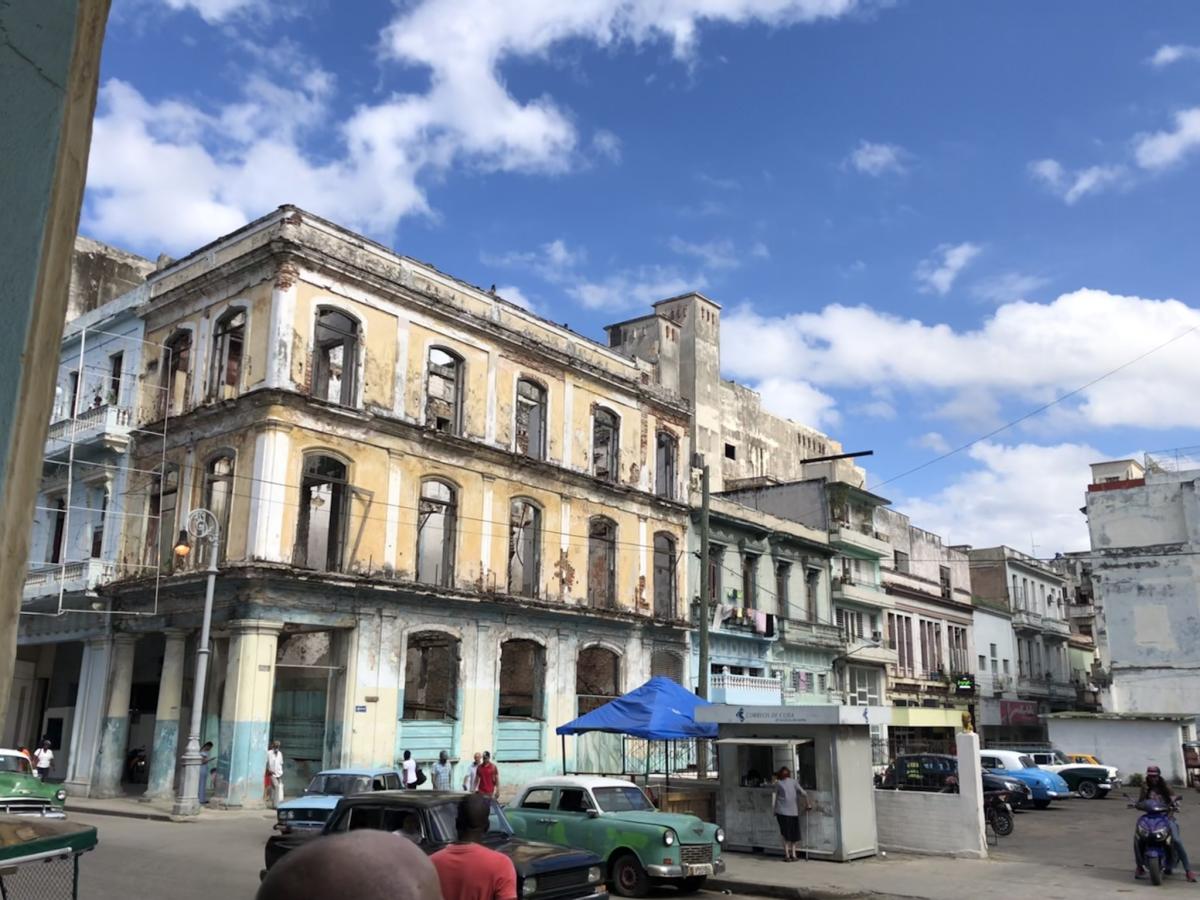
International tourism drives Cuba’s economy: but where that money is funneled can be seen throughout Havana, says philosophy, politics and economics student Alex Horn. “The Cuban government has chosen to invest its resources into foreign tourism instead of its own people, and that’s really apparent in the built environment,” he said, remarking that the only construction he saw was of new hotels. This photo taken in central Havana shows once beautiful buildings, now more akin to movie sets—just the façade remains.
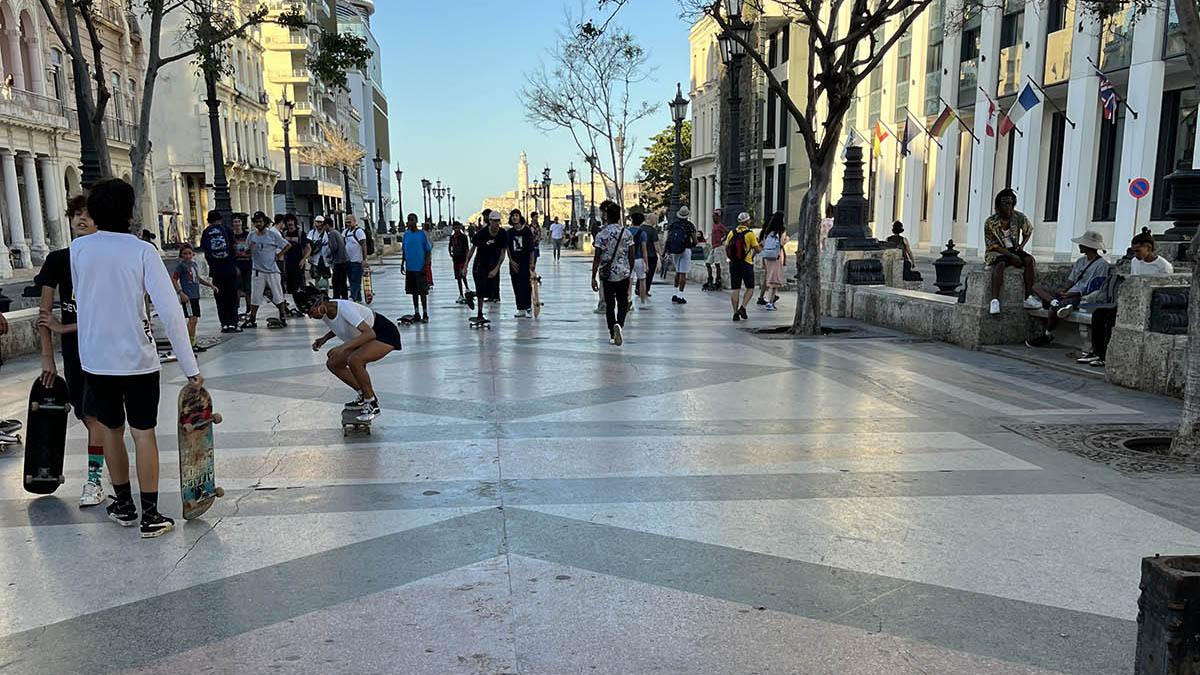
Architecture student Carlos Vazquez says his experience in Cuba reminded him of the hidden potential of cities, where spaces designed for one function are ultimately people driven, re-programmed by locals for other activities. “It’s something you can’t really account for as a designer,” he said.
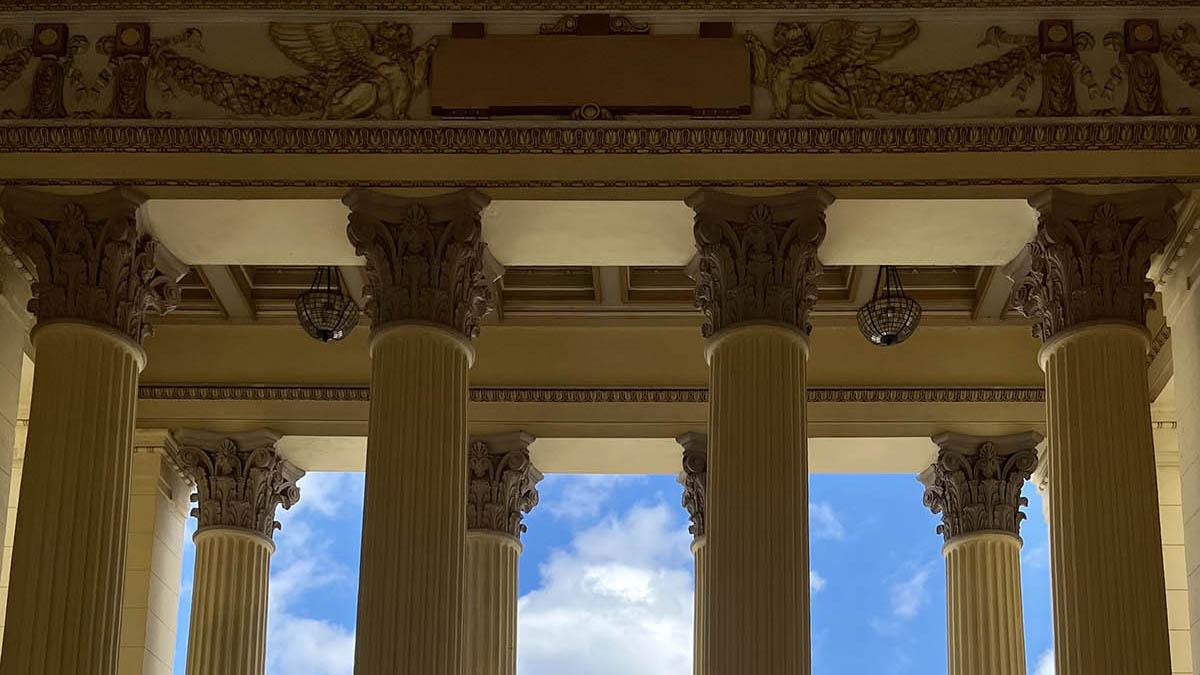
Architecture student Matt Schinella, who took the course online last year when it debuted, thought he knew what to expect—until he arrived. “It defied my expectations,” he said. “You can see centuries of Cuba in one picture.”
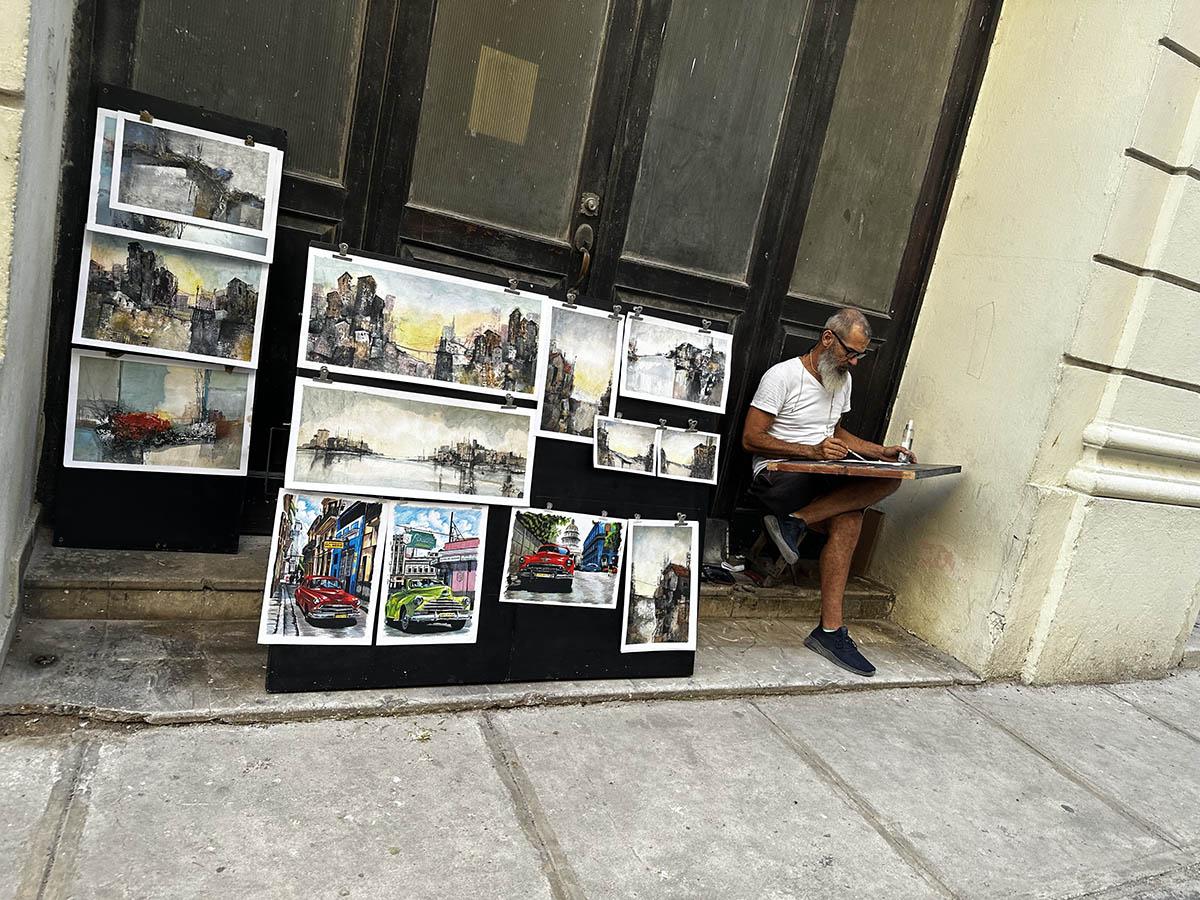
Real estate development student Merixia Kunjal approached her experience through an economic lens and the lived experience of Cuba’s people; business stands and street entrepreneurship are prolific in Havana, whether handcrafted items or imports from other countries. “It was amazing to see the different ways that people are generating money as a sort of an underlying economy.”
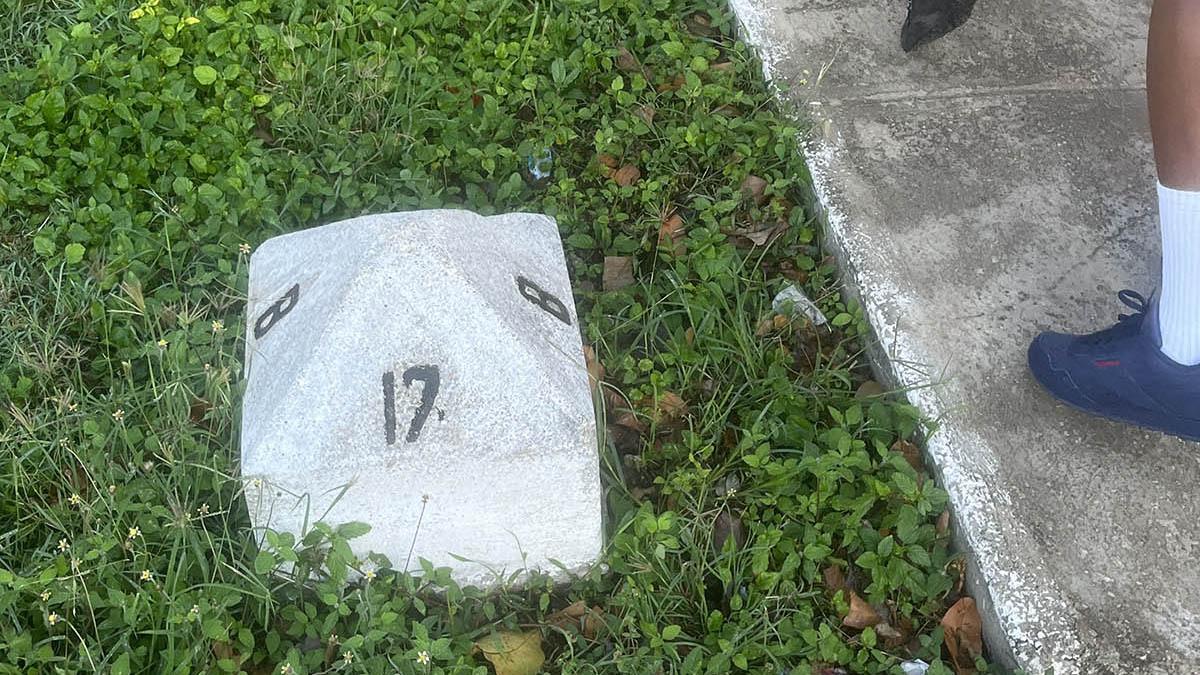
Architecture student Delvin Logan was captivated by the distinctions between El Vedado—the city’s commercial zone—and Old Havana and other parts of the city, which featured narrow streets and low-slung cinderblock street signage (above), an example of the growing urban challenges facing the city. “It prompted me to ask, how can the planning and the layout be pro-growth, in terms of transportation?”
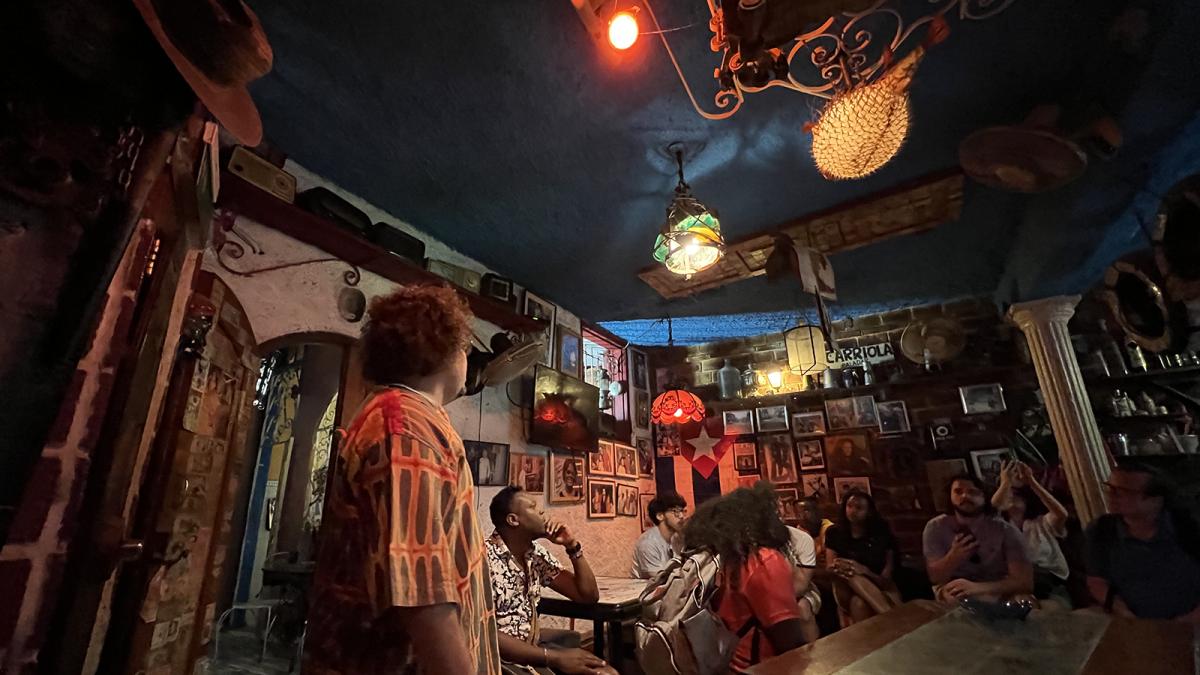
Community planning and information management student Alanna Anderson says it’s clear from the city’s dynamic art, music and expression that it is the culture of Cuba that keeps it alive. “It’s very clear that Cuba is vibrant, and that vibrance comes from people.”