

2023 - 2024
Developing a Stormwater Master Plan for Timberbrook Condominium
Building on EFC’s 2022 Sustainability Action Plan with Timberbrook Condominiums in Gaithersburg, Maryland, EFC partnered with Green Mechanics, BLLC to help the community develop a Stormwater Plan. The plan identified stormwater problem areas and produced a prioritized list of stormwater Best Management Practices (BMPs), along with a concept design for the top-ranked project.
2021
Connecting Capital with Pennsylvania Farmers Using Regenerative Farming Practices to Drawdown Carbon
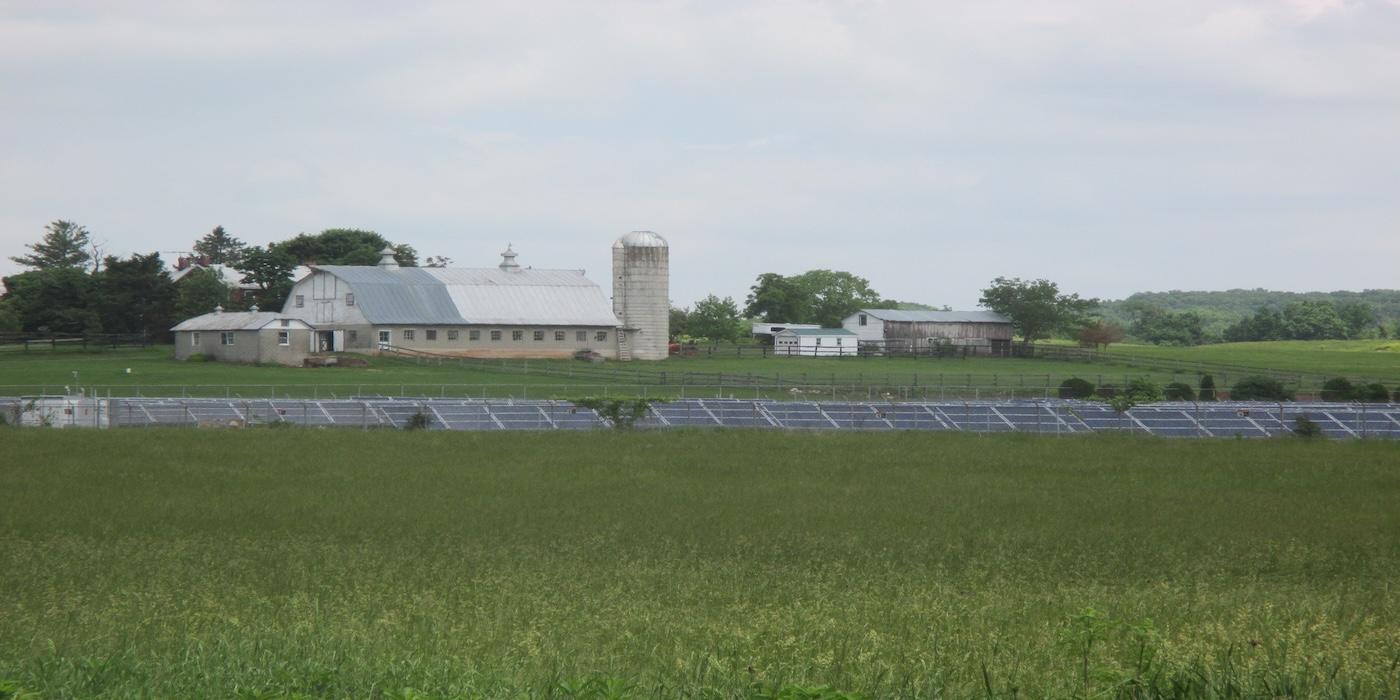
The University of Maryland Environmental Finance Center (EFC) partnered with TeamAg to promote business plans for regenerative farming practices targeting Pennsylvania farms that are interested in expanding soil health practices. These farm business plans combine current U.S. Department of Agriculture Natural Resource Conservation Service (NRCS) protocol with carbon tracking protocols such as COMET-Farm to help document carbon sequestering practices that can be converted to new revenue.
2015 (December)
Community-Supported Flooding and Stormwater Management in St. Michaels, MD
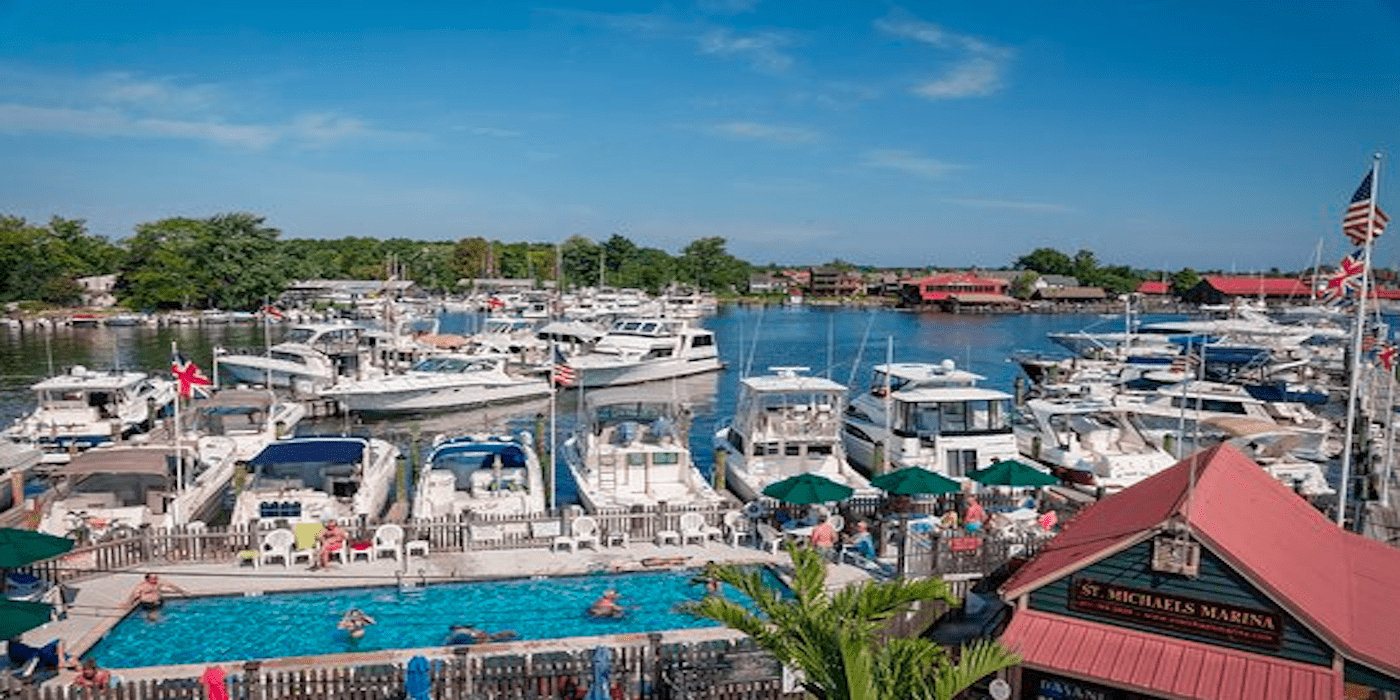
The Town of St. Michaels was developed in the 1770s as a working waterfront community. St. Michaels is bound by water to the east and west making it an ideal area for shipbuilding, fishing and other maritime commerce in the 1800s. Today, St. Michaels pays homage to its’ waterfront heritage while recognizing the need to adapt to flooding and stormwater challenges, driven in large-part by climate change.
2020
Delaware River Basin Watershed Needs Assessment
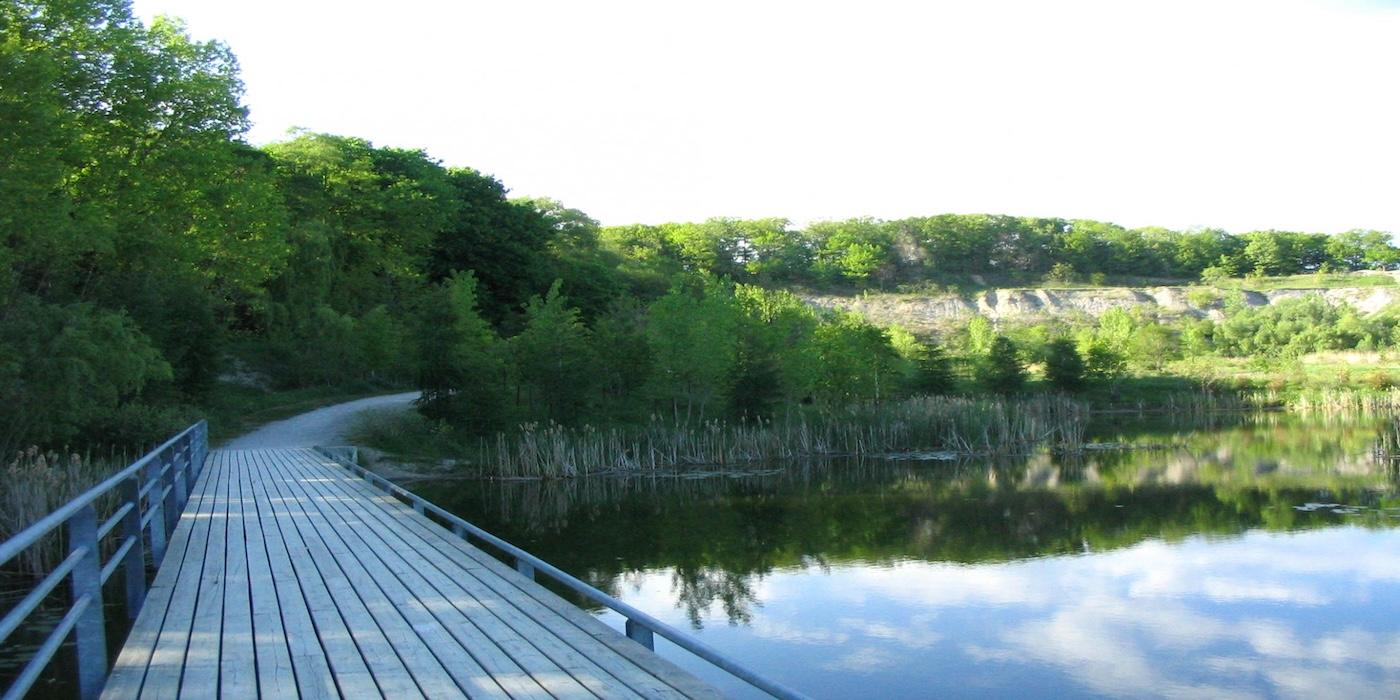
Through the Delaware River Watershed Initiative, the William Penn Foundation has invested millions of dollars to reduce nitrogen, phosphorus, and sediment in non-point source pollution impacting Delaware River tributaries, focusing on land protection and agricultural restoration activities.
2009 (January)
Community Visioning in Prince William County’s Occoquan Magisterial District
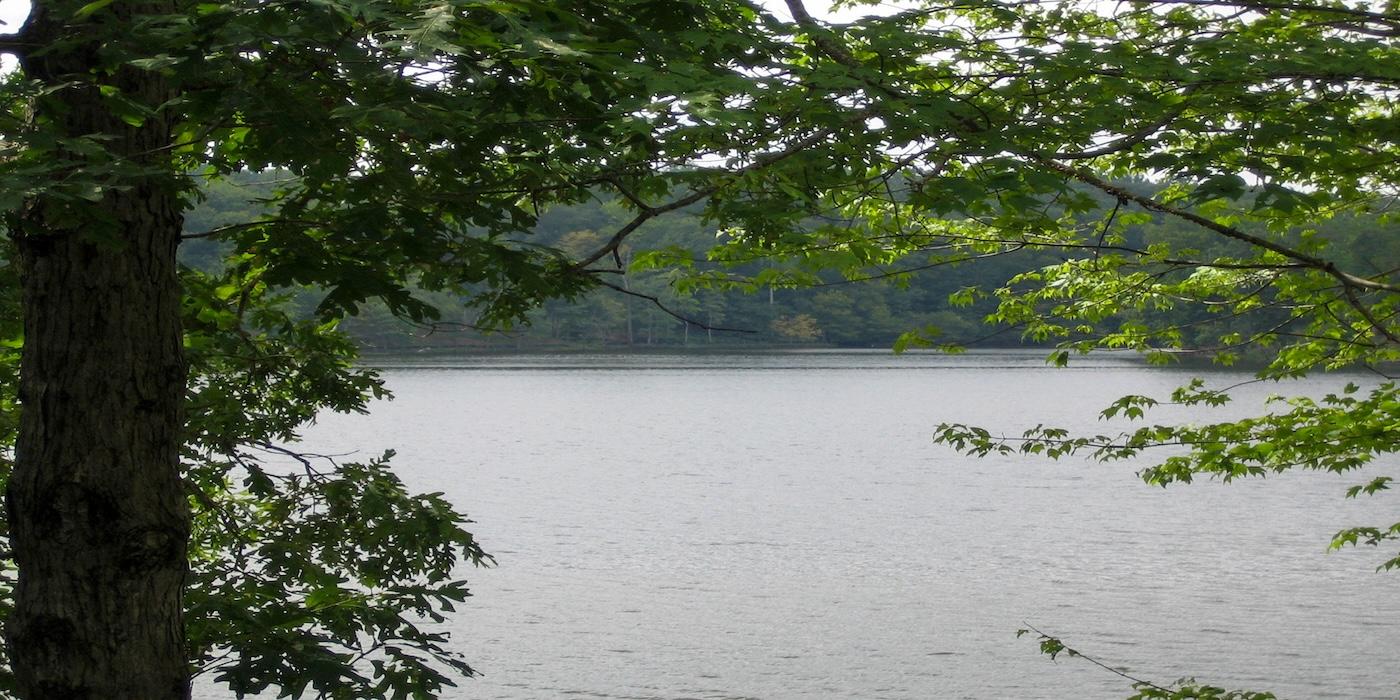
The Occoquan District is located in Prince William County in the northern part of Virginia. Certain critical issues affect the Occoquan District, including conserving and protecting natural beauty and environmentally sensitive areas; expanding transportation choices to include public transit, pedestrian and non-motorized opportunities; providing housing choices that accommodate the full-range of residents from diverse social, cultural, and financial backgrounds; and supporting a broad array of business enterprises, including locally-owned businesses.
2008 (January)
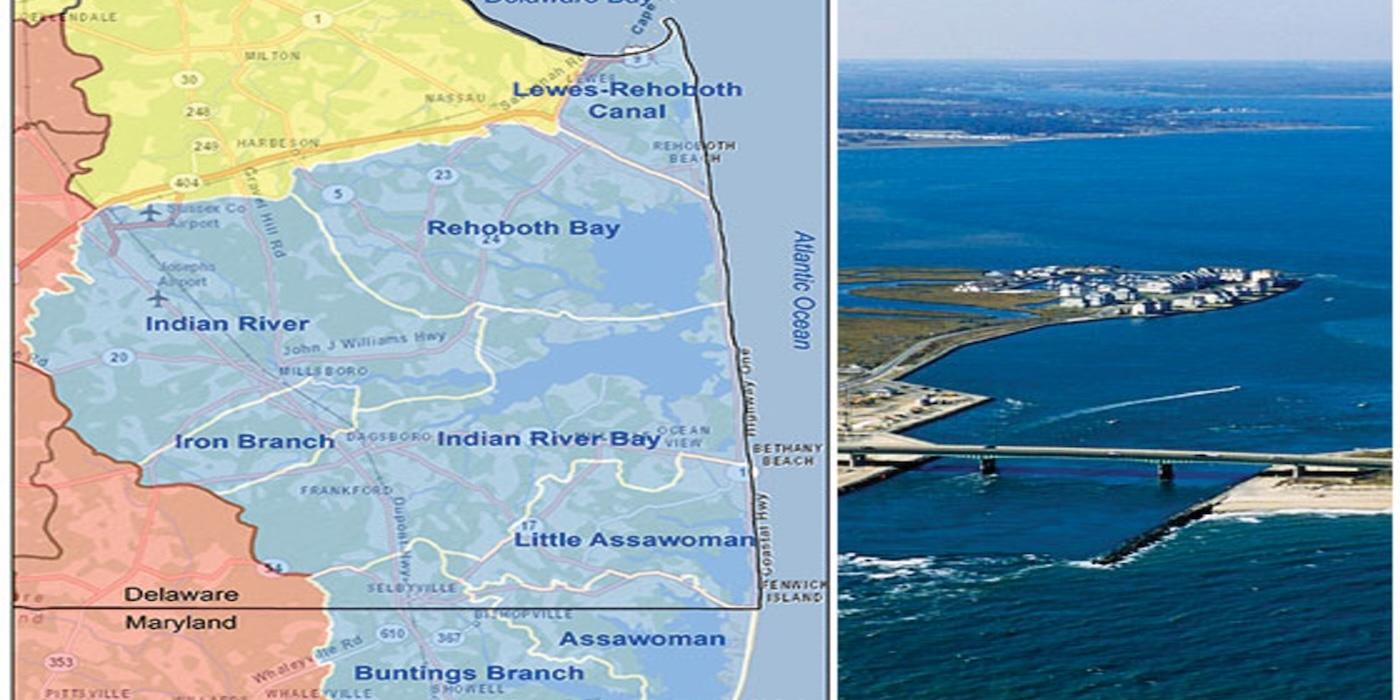
Community Financing for Septic System Management in the Inland Bays Watershed
This white paper report was the culmination of a year-long outreach and technical assistance effort managed by the EFC in coordination with the Delaware Department of Natural Resources and Environmental Control and First State Community Action Agency for the Inland Bays Watershed, located in Sussex County, Delaware.
2010 - 2011
Clean Car Clinic
Marylanders drive 151 million miles a day and account for 30 percent of the emissions that contribute to the poor air quality in this region. Drivers can help reduce these harmful emissions by keeping their cars properly maintained. Even small measures, such as proper tire inflation and replacing air filters, can have a significant impact.
2021
Chesapeake Beach and North Beach Flood and Sea Level Rise Action Plan
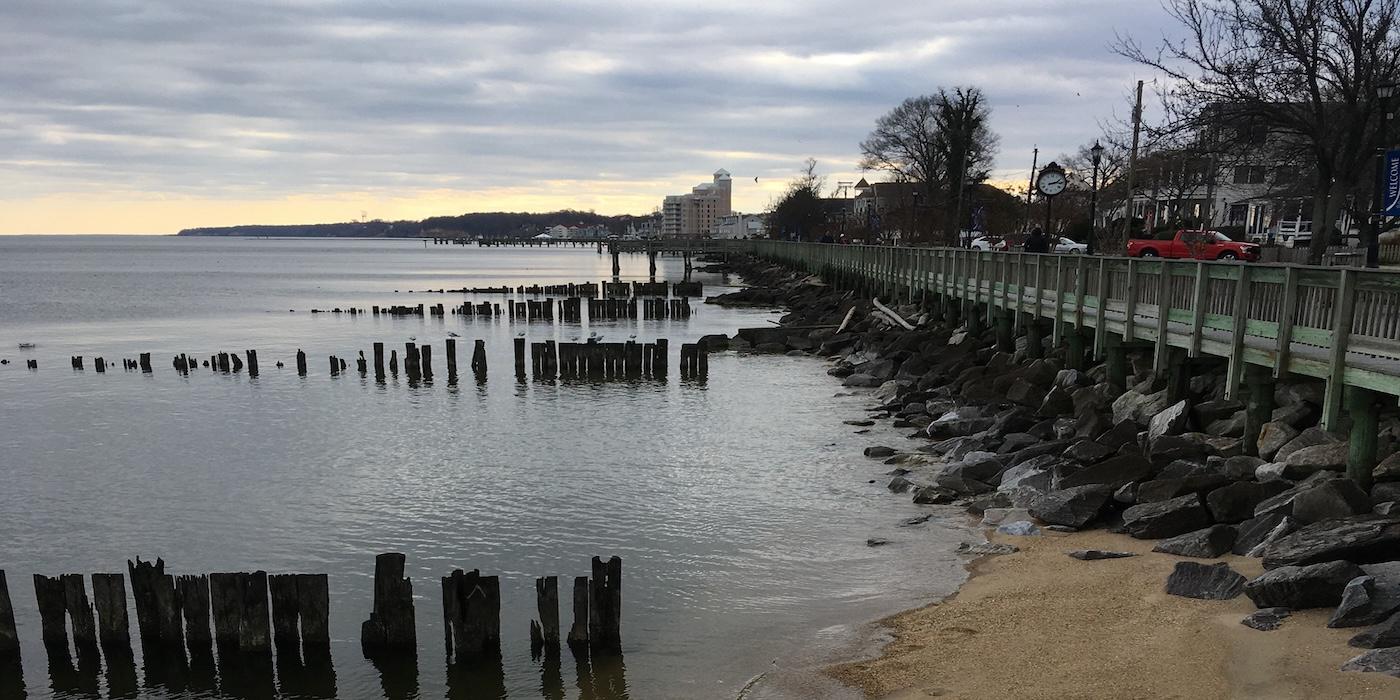
EFC, in partnership with the towns of Chesapeake Beach and North Beach, facilitated a multi-phase project that enabled each town to develop and implement comprehensive flood and sea level rise action plans. The two towns are neighboring communities in Calvert County, situated directly on the Chesapeake Bay.

2023
Chesapeake Bay Science and Technical Committee Workshop U.S. Biochar Initiative
Biochar is a carbon-rich (charcoal-like) material formed by “cooking” (thermochemical conversion) waste organic matter, (harvested/waste wood, green waste, manures, etc.) in an oxygen-free environment. It is an ancient technology termed Terra Preta (“Dark Earth”) in ancient Amazon Basin cultures and was principally used to enrich farmlands prior to the advent of modern fertilizers. In the last several decades, biochar has seen a resurgence worldwide due to its ability to address a multitude of environmental objectives.
2022
Characterizing the Economic Impact Associated with Dairy Farm Best Management Practices
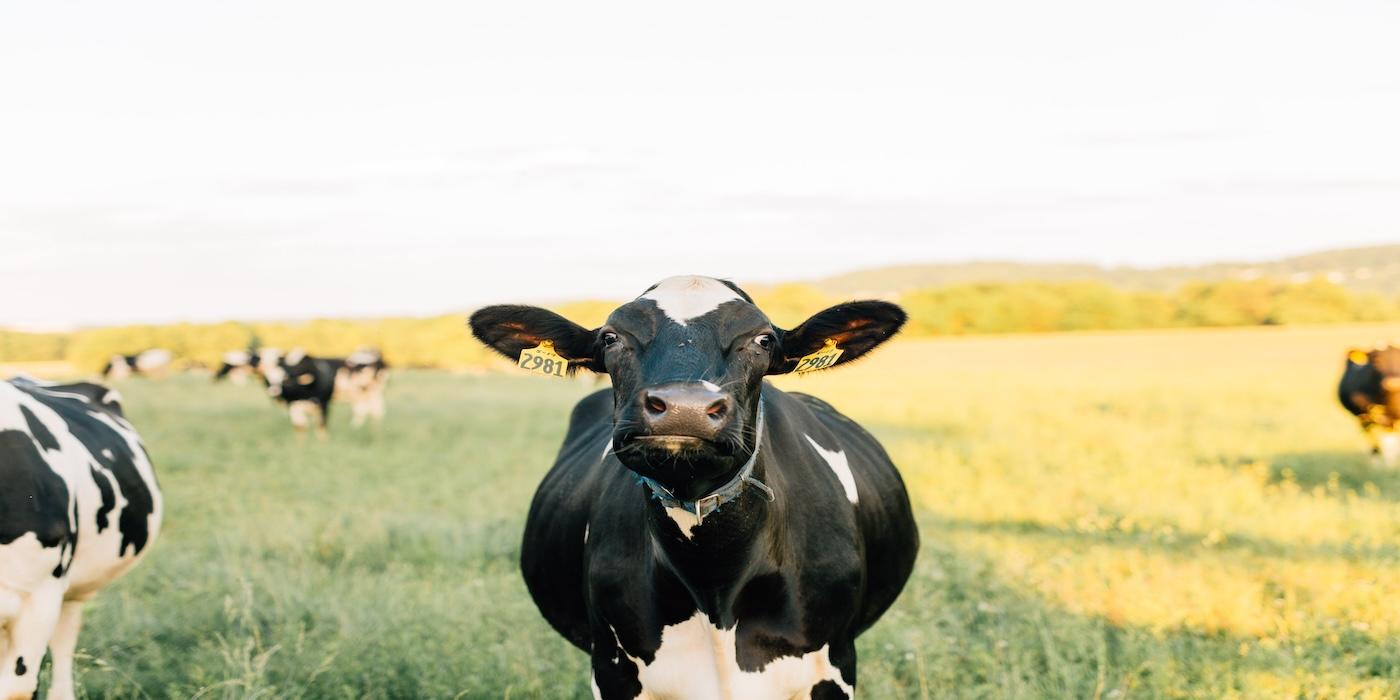
Since 2018, the Turkey Hill Clean Water Partnership has made waves in the agricultural industry; incentivizing farmers to get involved in conservation and elevating Turkey Hill’s supply chain. This groundbreaking partnership has a monumental impact on the Lancaster community, the Chesapeake Bay watershed, and beyond.