

MAPP News
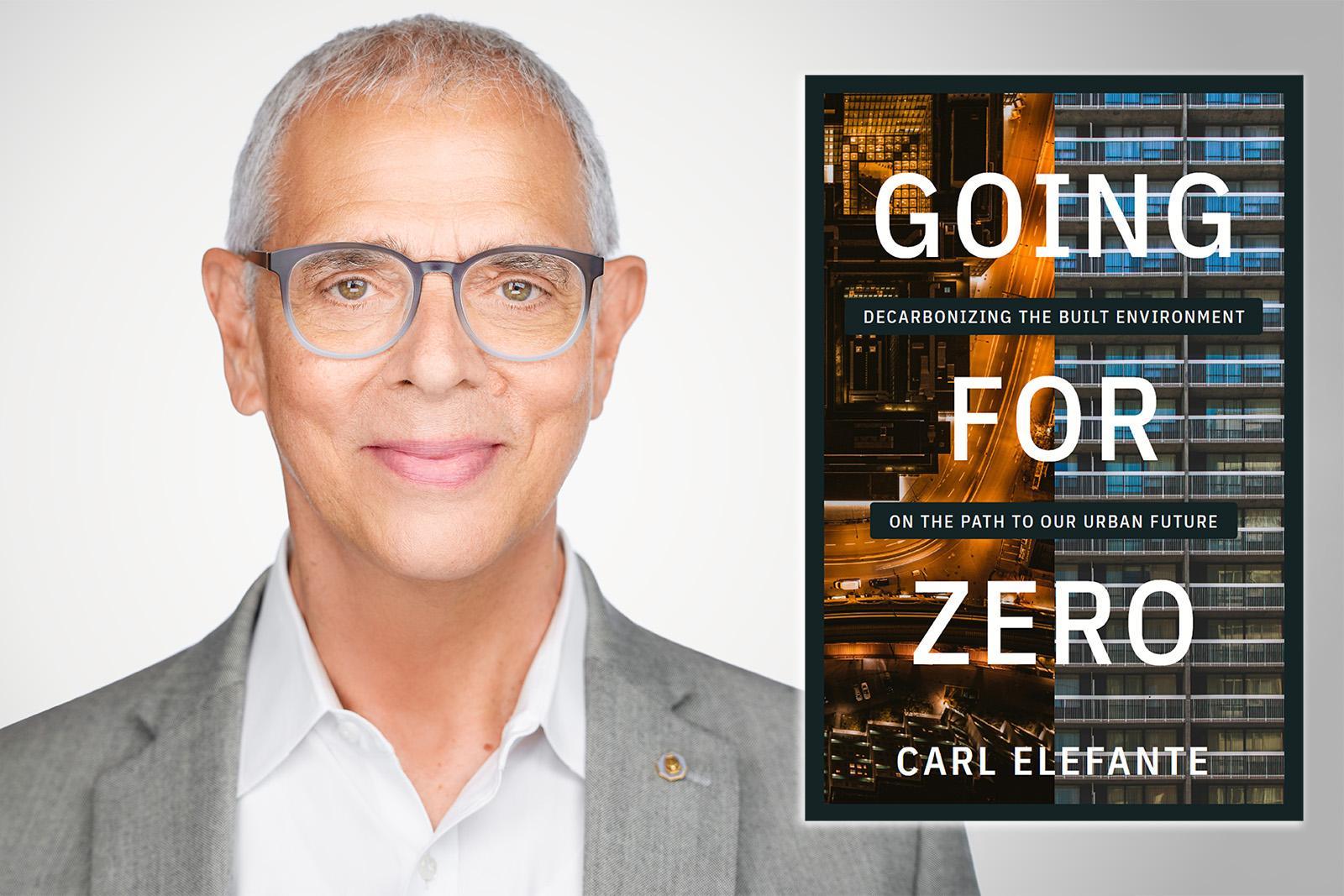
Save Our Buildings, Save Ourselves
If you ask Carl Elefante ‘80 which of New York’s most iconic skyscrapers—the 94-year-old Empire State Building or the 11-year-old Freedom Tower—is more climate-friendly, the answer might surprise you.Both have LEED-Gold certification, the energy-efficient exemplar bestowed on a building. But because of the Empire State Building’s stone façade, it has staying power, said Elefante—when the Freedom Tower’s glass façade reaches the end of its useful life, it will be torn off and thrown into a landfill.View Article Details for Save Our Buildings, Save Ourselves 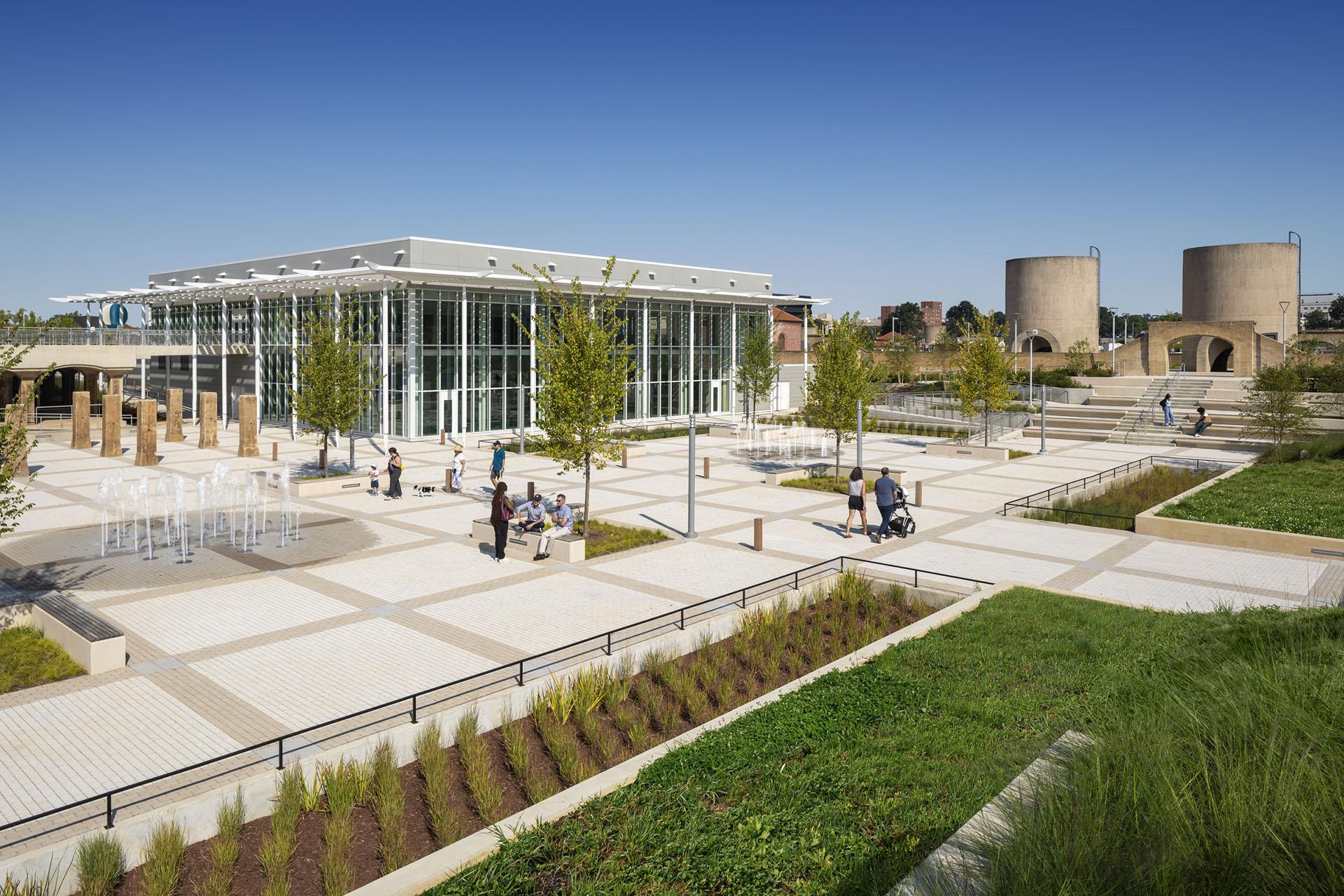
An Abandoned D.C. Water Site Regains its Utility
For decades, abandoned concrete silos cresting the horizon like post-apocalyptic chess pieces presented an eerie curiosity for drivers crawling along one of the busiest arteries in and out of Washington, D.C.View Article Details for An Abandoned D.C. Water Site Regains its Utility 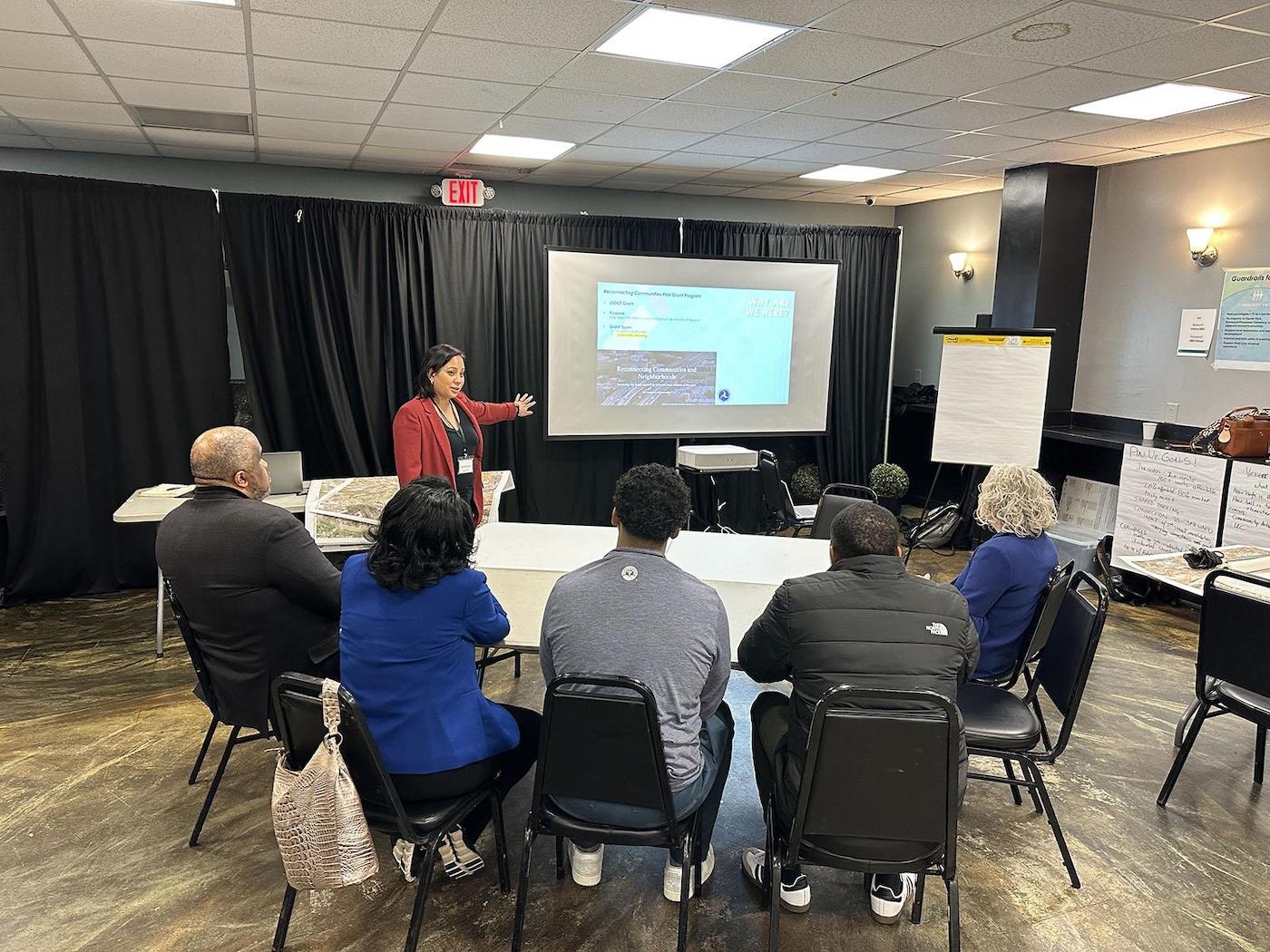
5 Questions with Cathy Morrison
To rebuild communities, Cathy Morrison ‘04 believes that designers should not only reflect the people in the communities they’re building for, but “move at the speed of trust.”View Article Details for 5 Questions with Cathy Morrison 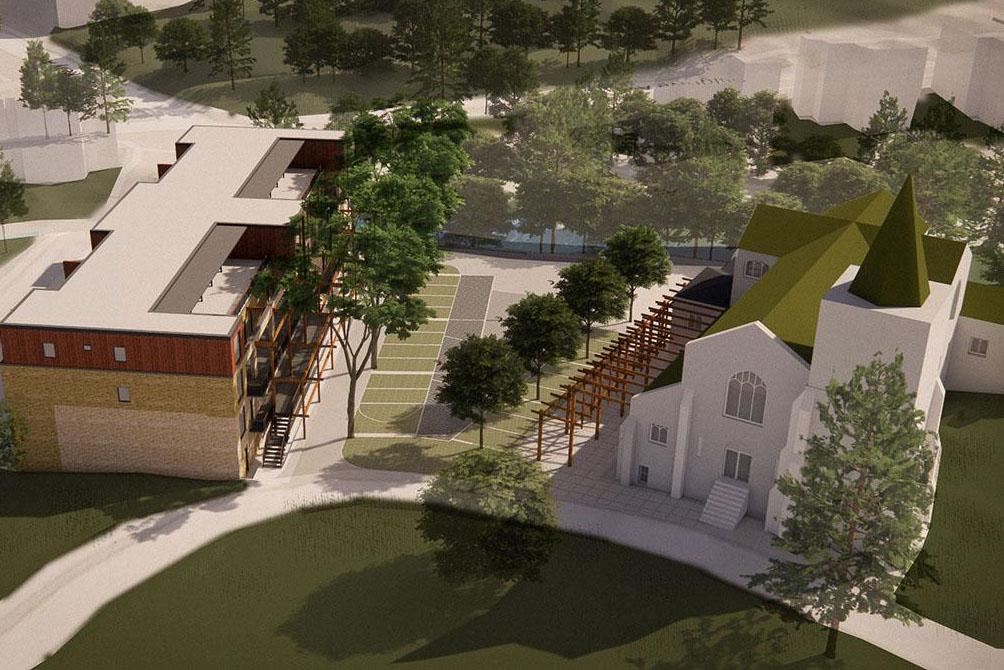
Student Project Reclaims a Sacred Space
For over 20 years, an ornate, gothic-style Roman Catholic church located in the Mount Washington neighborhood of Baltimore, Md. served as a “safe haven” for a Filipino community to gather and worship 9,000 miles from home. But what was once a lively, joyful place for potlucks, Christmas mass and community socials is now vacant, with its future uncertain.View Article Details for Student Project Reclaims a Sacred Space 
A Peek Inside: The Architecture Studio
This story was originally published in Maryland Today. Written by Karen Shih '09. Photos by Stephanie S. Cordle.Power cords curl like jungle vines from the ceilings, snaking between black metal dividers and miniature construction projects. Throughout the industrial space, with its concrete floors and cinderblock walls, lay stacks of drafting paper, laser-cut walls for model buildings and 3D-printed tiny cars, all created using machines in-house.View Article Details for A Peek Inside: The Architecture Studio 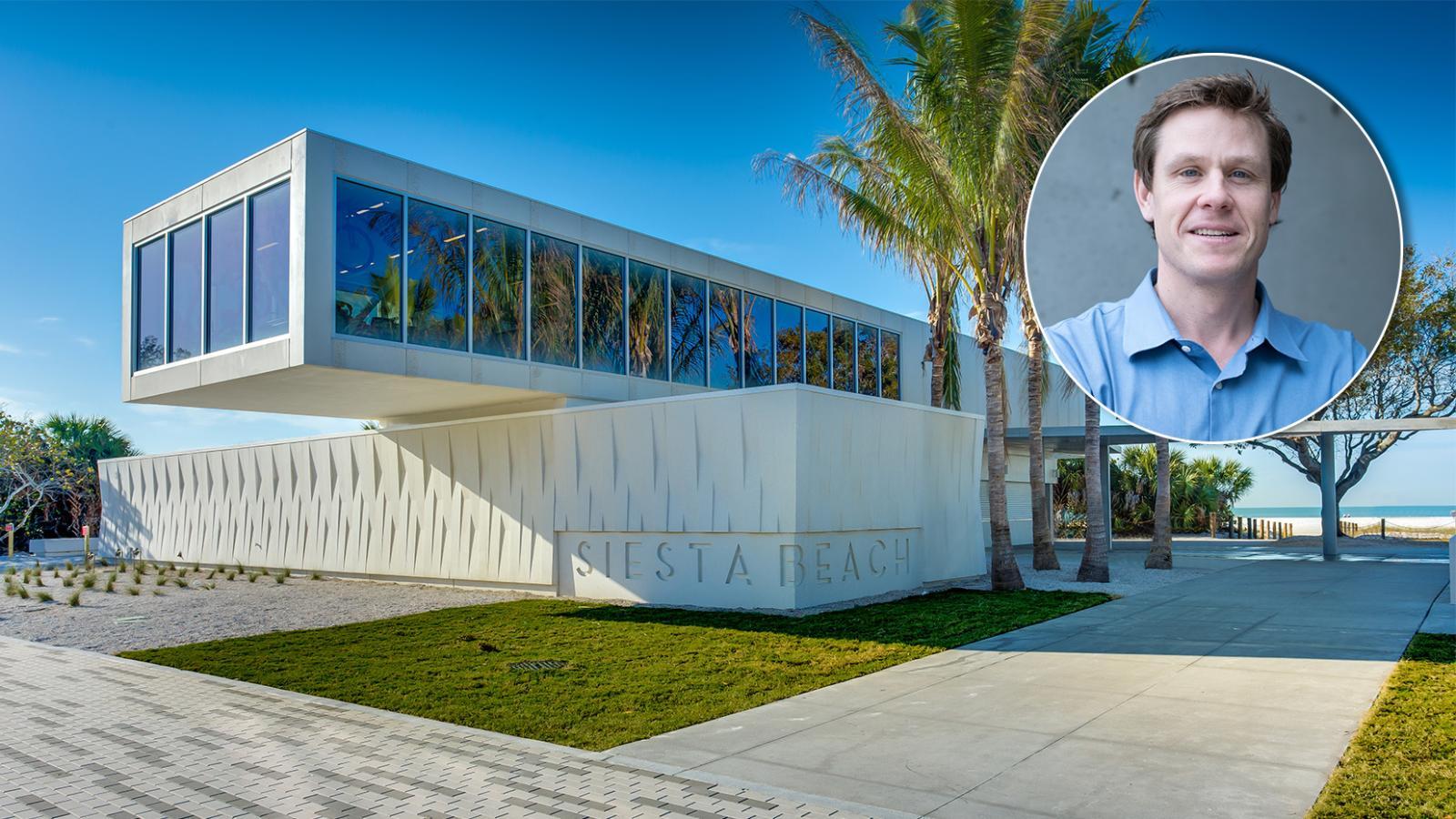
Five Questions with John Bryant
John Bryant M.Arch ‘07 was a fish out of water when it came to designing for Florida's climate.A transplant from the Northeast and a new architect for Sweet Sparkman—Sarasota, Florida's largest architecture firm—one of Bryant‘s first big jobs was to revitalize a historic pavilion along Siesta Key Beach that could withstand Category 3 hurricanes, the hot, humid conditions of the Sunshine State and the instability of sand.View Article Details for Five Questions with John Bryant