

MAPP News
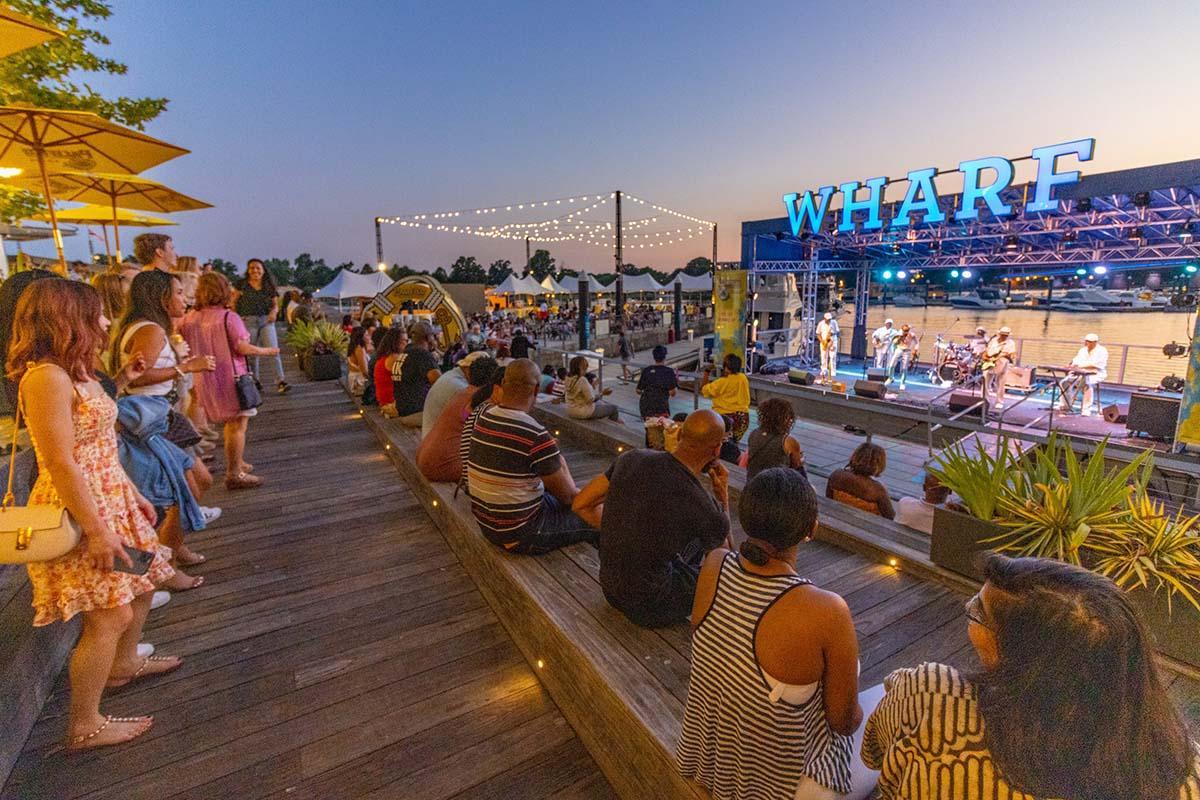
Your Guide to a Great Afternoon at The Wharf—From Two Alums Who Helped Develop It
Few things are as sumptuous as cozying up in a waterfront Adirondack chair with a cup of hot coffee and taking in the view. That this serene scene is within walking distance of the urban bustle of the nation’s capital is just one reason the Wharf is suddenly must-see D.C.—and one of the many design touches that University of Maryland architecture alums Martiena Schneller ‘08 and Matthew Steenhoek ‘05 hope bring people to the city’s vibrant new neighborhood.View Article Details for Your Guide to a Great Afternoon at The Wharf—From Two Alums Who Helped Develop It 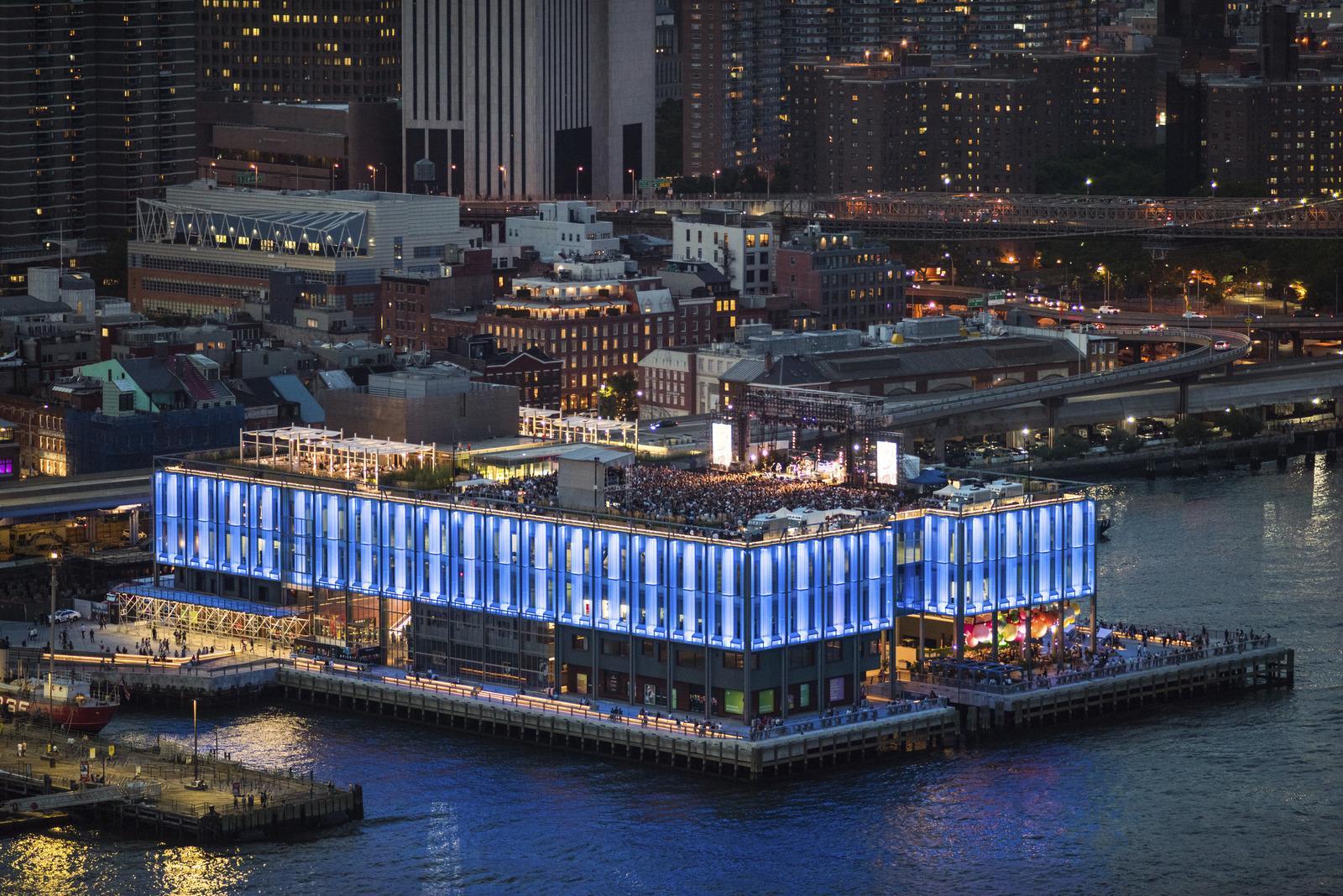
2022 Kea Professor Corie Sharples on Designing Skylines, Re-Thinking Construction and Revisiting Old Haunts
Of all the iconic places conceived by SHoP Architects along New York City’s skyline, the one that gives Founding Principal Corie Sharples ‘87 the most satisfaction is the place she once vowed never to return: South Street Seaport’s Pier 17, a slice of Manhattan’s East River Waterfront that once housed a windowless marketplace of souvenir shops and chain restaurants.View Article Details for 2022 Kea Professor Corie Sharples on Designing Skylines, Re-Thinking Construction and Revisiting Old Haunts Changing the Face of Affordable Housing: Mansur Abdul-Malik (MRED ’12)
When Mansur Abdul-Malik crunches a building’s pro forma, he doesn’t see numbers—he sees faces: the 10-year-old boy popping wheelies in Baltimore’s Hollander Ridge neighborhood; the D.C. family who needs a new stove; the dozens of residents who have his personal cellphone number.View Article Details for Changing the Face of Affordable Housing: Mansur Abdul-Malik (MRED ’12) 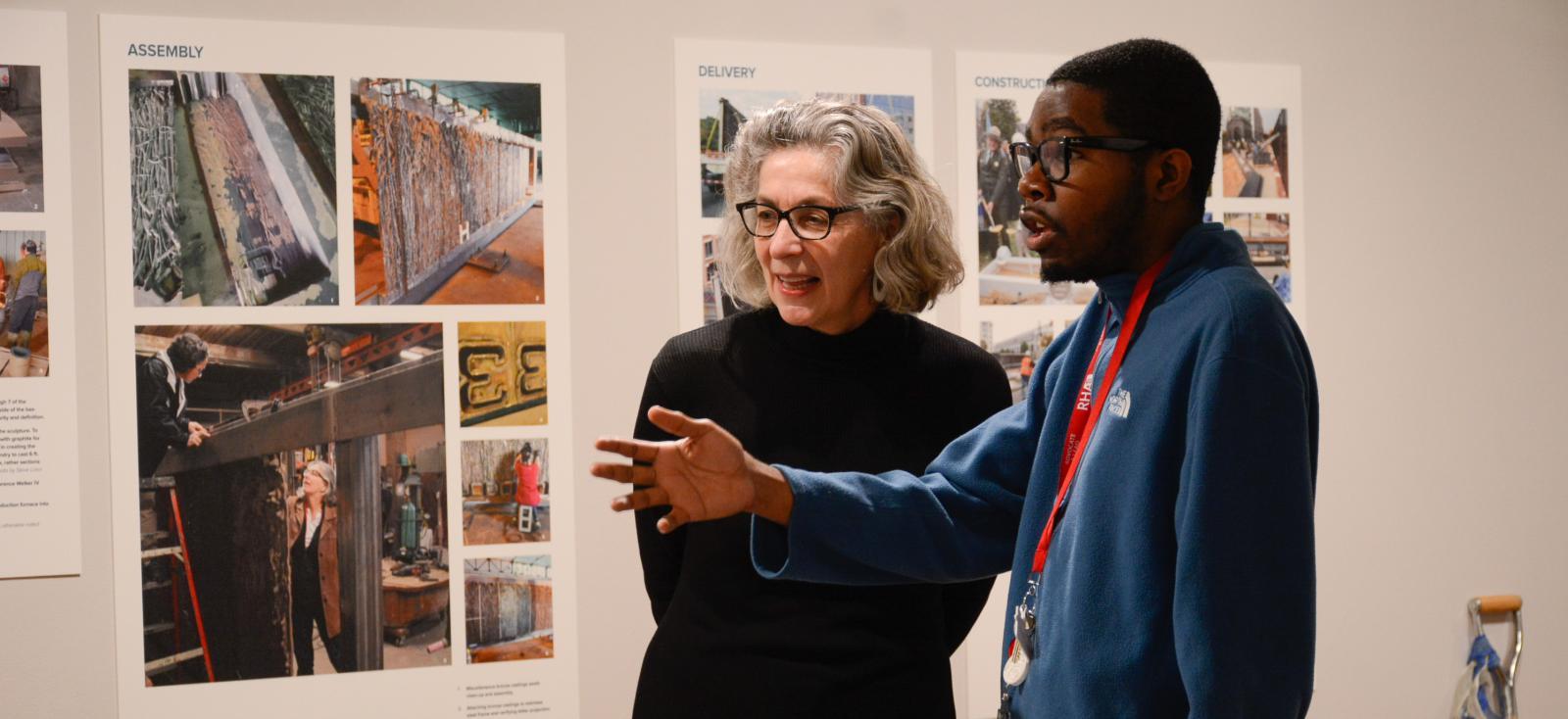
New Kibel Exhibit Looks at the Complex Process of Memorializing Tragedy
The first thing you notice are the stalks of wheat. Cast in bronze and measuring 30 feet long, the sculpture depicts a bountiful wheat field that slowly recedes into the background until it finally disappears. The stunning visual depicts the confiscation of Ukraine’s wheat crop by Stalin in 1932 and 1933, an orchestrated act of oppression through engineered starvation, resulting in over four million deaths. Today, it is known as Holodomor, which in Ukrainian means “hunger by extermination.”View Article Details for New Kibel Exhibit Looks at the Complex Process of Memorializing Tragedy 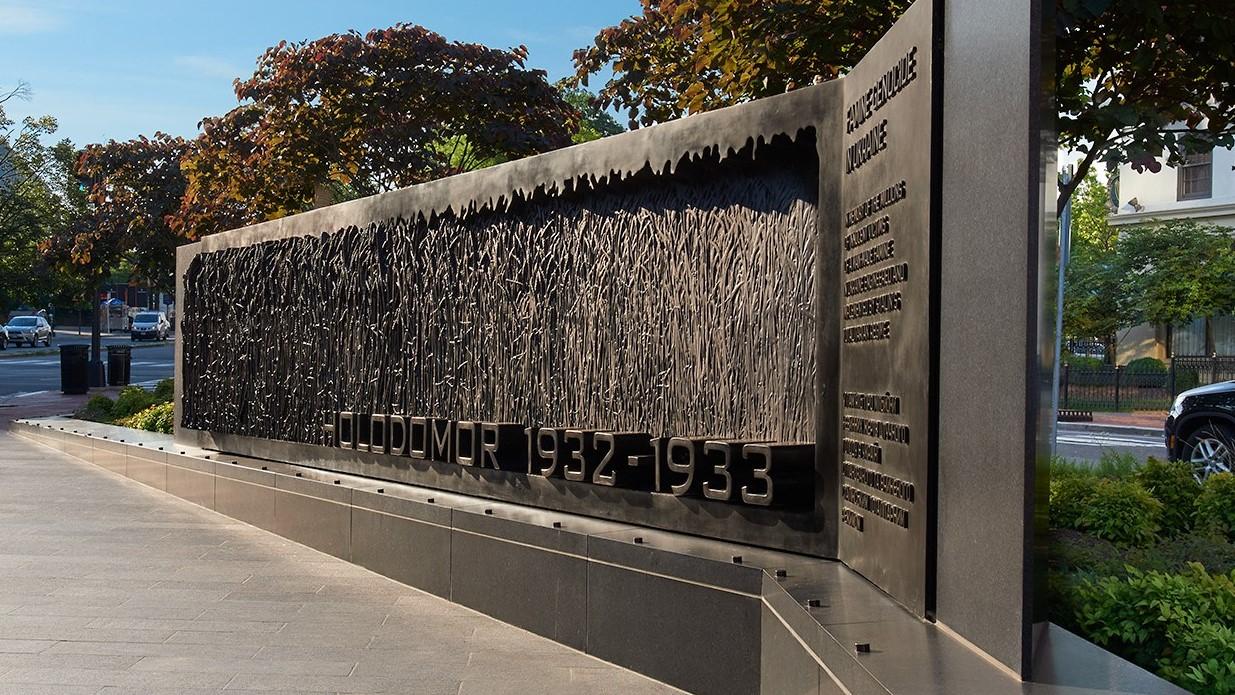
Uncovering a Secret Famine: New Kibel Exhibit and Talk Series Examines Loss, Truth and Remembrance in the Era of “Fake News”
Imagine living in the agricultural epicenter of Europe, yet being so hungry you must eat dried nettle leaves to survive. This was the reality for millions of Ukrainians in 1932, the victims of one the worst manufactured famines in human history. Called Holodomor, which loosely translates to “death by starvation” in Ukrainian, Stalin’s year-long campaign to starve Ukrainian wheat farmers into submission resulted in nearly four million deaths and was kept quiet for nearly half a century, proclaimed “fake news” by the Soviet regime.View Article Details for Uncovering a Secret Famine: New Kibel Exhibit and Talk Series Examines Loss, Truth and Remembrance in the Era of “Fake News” 
UMD Architecture Students, Alumni Recognized at 2019 AIA Maryland Design Awards
Six student projects were recognized for design excellence this year by AIA Maryland during the AIA Maryland 2019 Excellence in Design Awards, taking prizes in four out of the six categories and sweeping the “beginning design, graduate level” category.View Article Details for UMD Architecture Students, Alumni Recognized at 2019 AIA Maryland Design Awards