
Programs Admissions Our Work Student Experience About
Programs
Undergraduate Programs Graduate Programs Certificate Programs High School Summer Program
Admissions
Scholarships and Financial Aid Visit Information Sessions
Our Work
Faculty Research Professional Practice Student Work Research Centers & Institutes Research Labs Galleries and Exhibits
Student Experience
Campus to Capitol Mentoring Programs Student Organizations Spaces and Studio Education Abroad Competitions Professional Development Student Resources Alumni
About
People News and Events Accreditation Contact Us Giving
Undergraduate Programs Graduate Programs Certificate Programs High School Summer Program
Scholarships and Financial Aid Visit Information Sessions
Faculty Research Professional Practice Student Work Research Centers & Institutes Research Labs Galleries and Exhibits
Campus to Capitol Mentoring Programs Student Organizations Spaces and Studio Education Abroad Competitions Professional Development Student Resources Alumni
People News and Events Accreditation Contact Us Giving
Event - March 5, 2026

Unwriting History: Navigating Intersectionality and the (Un)intended Consequences of Traditional Planning Models in “Majority-Minority” Communities

Time: 7 - 8:30 p.m. | Location: TBD

Home About News and Events Event Calendar Unwriting History: Navigating Intersectionality and the (Un)intended Consequences of Traditional Planning Models in “Majority-Minority” Communities
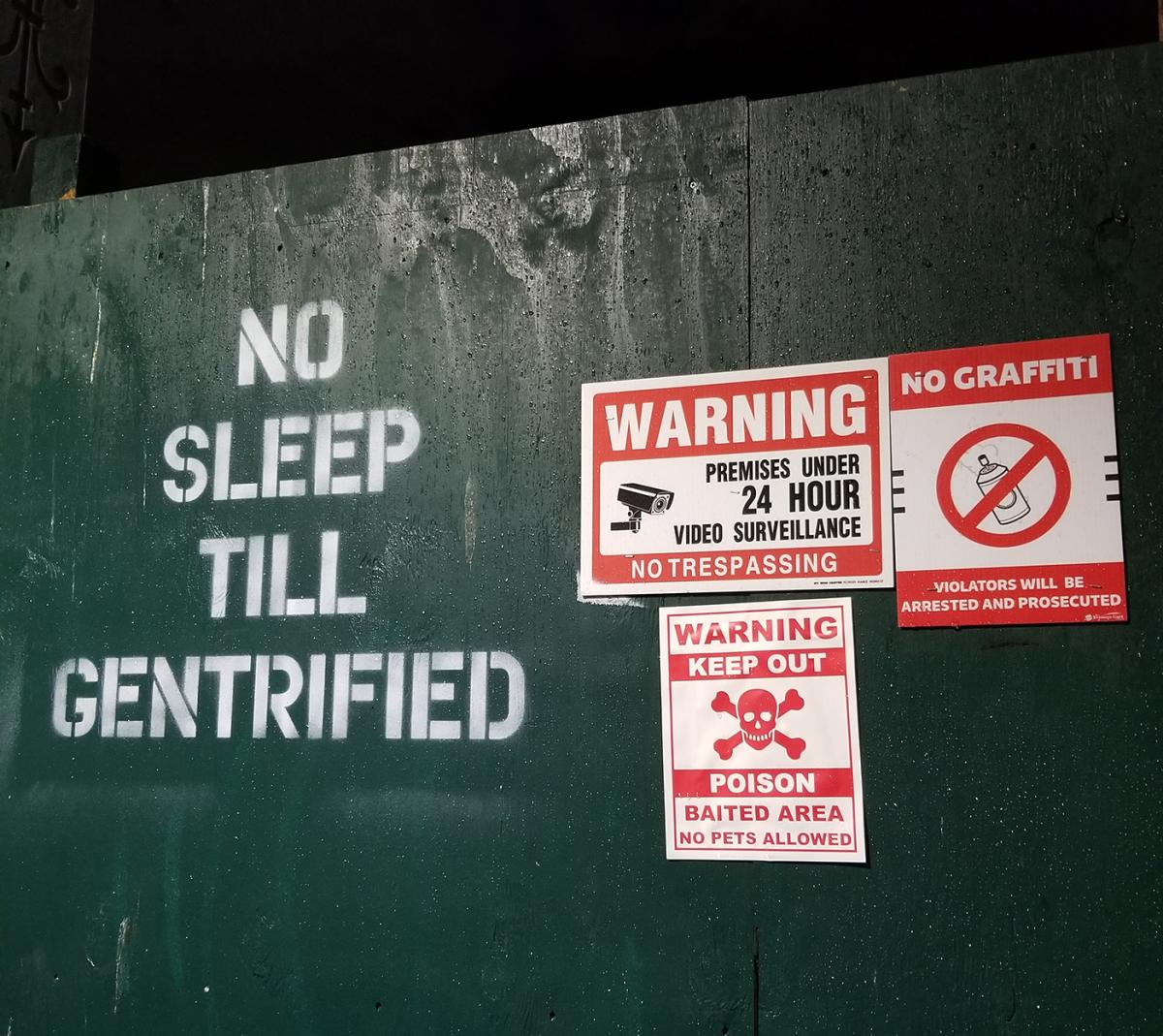
Graffiti writing saying "No Sleep Till Gentrified" by signage that states no graffiti and that the location is under surveillance

Location: TBD

This event is open for the University of Maryland community only.

"Unwriting History: Navigating Intersectionality and the (Un)intended Consequences of Traditional Planning Models in “Majority-Minority” Communities"

Jordan Exantus, AICP LEED AP

Unwriting History” invites emerging planners to choose courage, humility, and partnership—reframing planning from managing growth to restoring balance, protecting community integrity, and expanding opportunities for those historically excluded. It probes how privilege, class, and power shape outcomes in “majority-minority” communities, showing how decontextualized models can reproduce inequity and harm. Drawing on work in New York City, Red Lake Nation, Memphis, and the DMV region, it examines intersectionality across race, class, national origin, and culture, and how blind spots or “progressive” policies untethered from lived realities can drive displacement, erasure, or political misalignment. Grounded in principles of restorative justice, cultural competence, and community deference, the session asks students to interrogate cultural agglomeration; displacement versus gentrification; the commodification of community; capitalism’s reshaping of social networks; and the distinct challenges of planning in sovereign Indigenous nations. Students leave with practical competencies: authentic engagement, balanced participation, empathetic responses to anger, respect for local protocols, recognition of the limits of “neutral” language, and tools for community-driven solutions that elevate community-authored visions, shift power, and support long-term stewardship.

School of Architecture, Planning and Preservation
3835 Campus Drive, College Park, MD 20742
archinfo@umd.edu 301.405.8000